The Beauty and Significance of Islamic Wall Art
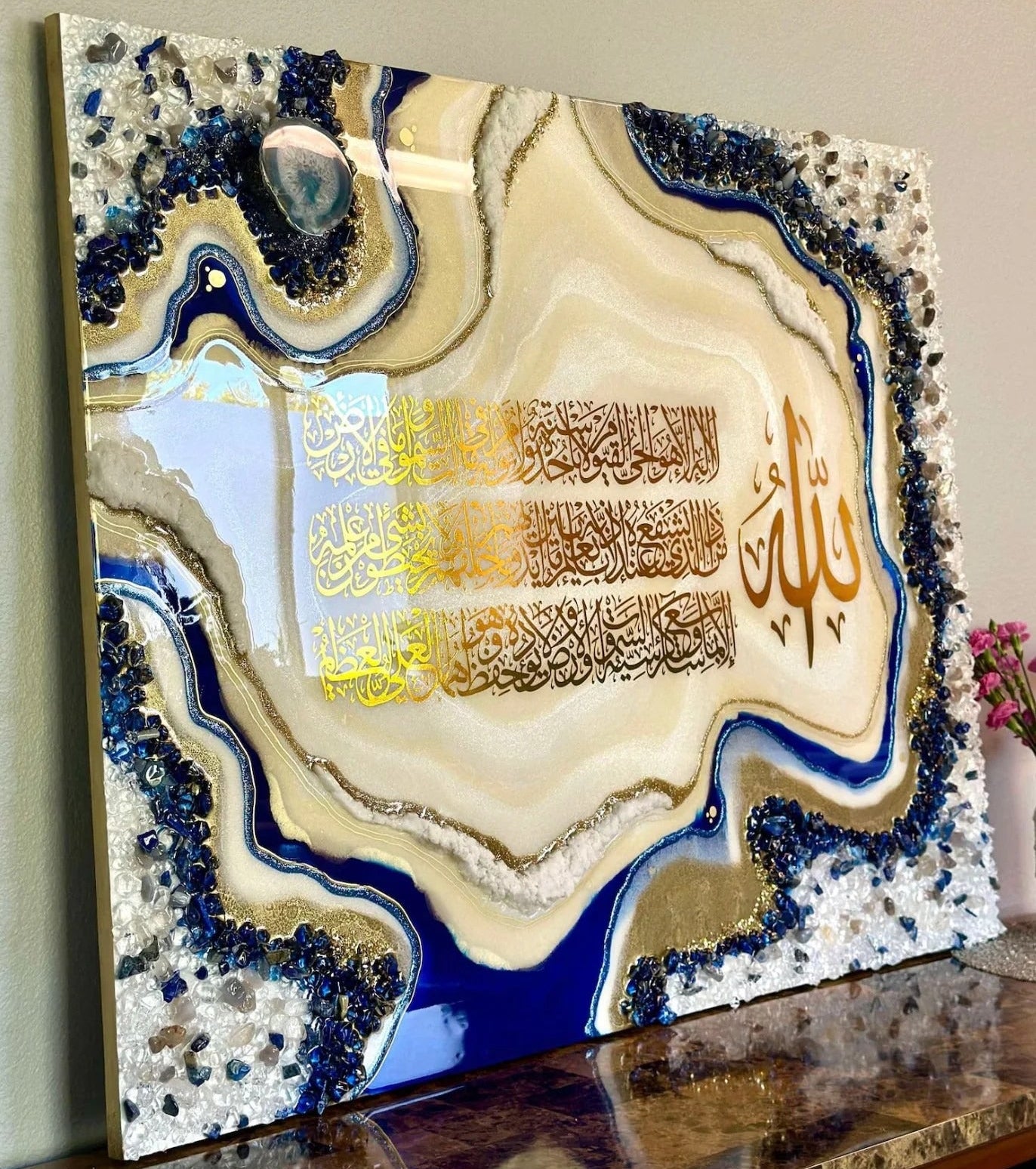
Islamic wall art is a unique form of artistic expression that holds deep cultural and spiritual significance. Rooted in the rich traditions of Islamic art and calligraphy, this form of art beautifully combines intricate designs, geometric patterns, and verses from the Quran to create stunning visual masterpieces.
One of the defining features of Islamic wall art is its emphasis on calligraphy. Arabic calligraphy, with its flowing lines and elegant curves, is not just a form of writing but a revered art form in Islamic culture. The use of Quranic verses or phrases from Islamic teachings adds a spiritual dimension to the artwork, making it more than just decorative.
Geometric patterns are another hallmark of Islamic wall art. These intricate designs are not only visually appealing but also hold symbolic meanings within Islamic tradition. The repetition of geometric shapes symbolizes unity, harmony, and the infinite nature of God’s creation.
Islamic wall art is not limited to traditional forms; contemporary artists are also exploring innovative ways to interpret Islamic motifs in their work. From canvas paintings to metal sculptures, modern interpretations of Islamic art continue to captivate audiences around the world.
Whether displayed in homes, mosques, or public spaces, Islamic wall art serves as a reminder of the beauty and wisdom found in Islamic teachings. It creates a sense of peace and tranquility while also celebrating the rich cultural heritage of Islam.
As a form of artistic expression that transcends time and borders, Islamic wall art continues to inspire and uplift those who appreciate its beauty and significance.
7 Essential Tips for Choosing Meaningful and Stylish Islamic Wall Art
- Choose verses from the Quran or other Islamic texts that hold special meaning to you.
- Consider traditional Arabic calligraphy styles for an authentic look.
- Incorporate geometric patterns commonly found in Islamic art for a decorative touch.
- Select colors that complement your existing decor while also symbolizing spirituality (e.g., blues, greens, gold).
- Choose high-quality materials like canvas or wood to ensure durability and longevity of the artwork.
- Consider the size of the wall art in relation to the space where it will be displayed for proper visual balance.
- Don’t overcrowd your walls with too many pieces; opt for a few impactful artworks instead.
Choose verses from the Quran or other Islamic texts that hold special meaning to you.
When selecting verses from the Quran or other Islamic texts for your Islamic wall art, it is essential to choose those that hold a special meaning to you personally. By incorporating verses that resonate with your beliefs, values, or experiences, you not only add a spiritual touch to your space but also create a deeper connection with the artwork. These chosen words can serve as a source of inspiration, guidance, and reflection every time you gaze upon them, enriching your environment with meaningful and uplifting messages.
Consider traditional Arabic calligraphy styles for an authentic look.
When incorporating Islamic wall art into your space, a valuable tip is to consider traditional Arabic calligraphy styles for an authentic look. Arabic calligraphy holds deep cultural and spiritual significance in Islamic art, and choosing specific calligraphy styles can enhance the authenticity and beauty of the artwork. By selecting traditional Arabic calligraphy styles, you can infuse your space with a sense of reverence and tradition, creating a visually stunning display that resonates with the rich heritage of Islamic art.
Incorporate geometric patterns commonly found in Islamic art for a decorative touch.
To enhance the aesthetic appeal of Islamic wall art, consider incorporating geometric patterns that are prevalent in Islamic art. These intricate and symmetrical designs not only add a decorative touch but also carry symbolic significance within Islamic tradition. By integrating these geometric patterns into your artwork, you can create a visually captivating piece that pays homage to the rich cultural heritage and artistic legacy of Islamic art.
Select colors that complement your existing decor while also symbolizing spirituality (e.g., blues, greens, gold).
When choosing colors for your Islamic wall art, it is important to select hues that not only complement your existing decor but also symbolize spirituality. Colors like blues, greens, and gold are often associated with spiritual significance in Islamic art. Blue represents peace and tranquility, while green symbolizes nature and growth. Gold is a color of luxury and divine presence. By incorporating these colors into your decor through Islamic wall art, you can create a harmonious space that reflects both aesthetic beauty and spiritual depth.
Choose high-quality materials like canvas or wood to ensure durability and longevity of the artwork.
When selecting materials for Islamic wall art, opt for high-quality options such as canvas or wood to guarantee the durability and longevity of the artwork. By choosing premium materials, you not only enhance the visual appeal of the piece but also ensure that it can withstand the test of time, preserving its beauty for years to come. Investing in quality materials reflects a commitment to preserving the integrity and significance of Islamic art, allowing it to continue inspiring viewers with its timeless elegance and spiritual depth.
Consider the size of the wall art in relation to the space where it will be displayed for proper visual balance.
When incorporating Islamic wall art into a space, it is essential to consider the size of the artwork in relation to the area where it will be showcased. Proper visual balance can be achieved by ensuring that the dimensions of the wall art complement the size of the wall or room. A piece that is too small may get lost in a large space, while an oversized artwork could overwhelm a smaller area. By carefully selecting the appropriate size of Islamic wall art for the designated space, one can enhance the overall aesthetic appeal and harmonize the visual elements within the environment.
Don’t overcrowd your walls with too many pieces; opt for a few impactful artworks instead.
When decorating with Islamic wall art, it is essential to avoid overcrowding your walls with an excessive number of pieces. Instead, opt for a few impactful artworks that can truly stand out and make a statement. By selecting a limited number of pieces, each artwork can command attention and create a more elegant and harmonious display. This approach allows the beauty and significance of each piece to shine through, enhancing the overall aesthetic appeal of your space.