The Art of Hand Painting: A Timeless Craft
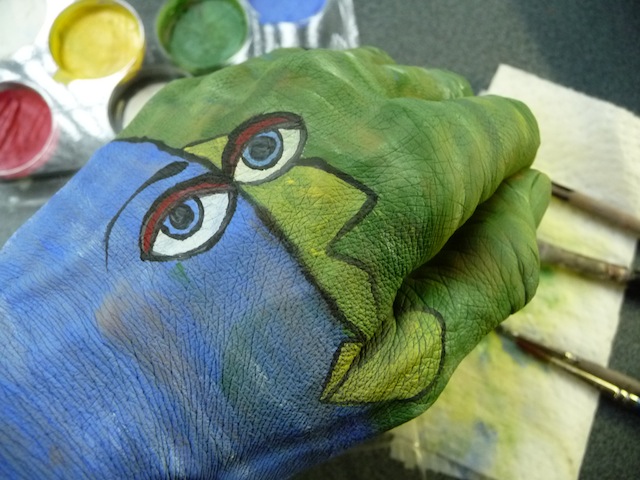
Hand painting, also known as hand coloring or hand embellishment, is a traditional artistic technique that has been practiced for centuries. This meticulous craft involves applying paint or pigments directly onto a surface using the artist’s hands, fingers, or brushes. The result is a unique and personalized artwork that captures the essence of human touch and creativity.
A Personalized Touch
Hand painting allows artists to infuse their creations with a personal touch that cannot be replicated by other means. The direct contact between the artist’s hands and the surface creates an intimate connection that is evident in the final piece. Each brushstroke or finger imprint carries the artist’s energy and intention, making hand-painted artworks truly one-of-a-kind.
Historical Significance
The practice of hand painting dates back to ancient times when artists used natural pigments and dyes to embellish cave walls, pottery, and textiles. Over the centuries, hand painting has evolved into a refined art form embraced by cultures around the world. From illuminated manuscripts to portrait miniatures, hand-painted artworks have played a significant role in preserving history and culture.
Contemporary Applications
In modern times, hand painting continues to thrive as artists explore new techniques and materials to push the boundaries of this traditional craft. From canvas paintings to custom clothing designs, hand painting offers endless possibilities for creative expression. Artists use a variety of mediums such as acrylics, watercolors, oils, and even digital tools to create captivating hand-painted masterpieces.
The Beauty of Imperfection
One of the defining characteristics of hand painting is its embrace of imperfection. Unlike mass-produced prints or digital reproductions, hand-painted artworks bear subtle variations and nuances that add depth and character to the piece. These imperfections are what make each artwork truly unique and imbue it with a sense of authenticity.
Preserving an Ancient Craft
As technology advances and digital art becomes more prevalent, hand painting serves as a reminder of the enduring value of traditional craftsmanship. Artists who practice this time-honored technique are not only creating beautiful works of art but also preserving a rich cultural heritage for future generations to appreciate.
Whether it’s capturing moments in nature or expressing emotions through abstract forms, hand painting remains a cherished art form that continues to inspire artists and art lovers alike with its beauty and authenticity.
9 Essential Tips for Mastering Hand Painting Techniques
- Prepare your workspace with adequate lighting and ventilation.
- Choose high-quality paint and brushes for better results.
- Practice proper brush techniques like loading, blending, and shading.
- Start with light colors before moving on to darker ones to avoid mistakes.
- Allow each layer of paint to dry completely before adding another layer.
- Use a palette or mixing tray to create custom colors and prevent waste.
- Clean your brushes thoroughly after each use to maintain their quality.
- Experiment with different textures and styles to enhance your painting skills.
- Take breaks during long painting sessions to rest your hand and prevent fatigue.
Prepare your workspace with adequate lighting and ventilation.
When engaging in hand painting, it is essential to prepare your workspace with adequate lighting and ventilation. Proper lighting ensures that you can see the details of your artwork clearly, allowing for precise brushstrokes and color mixing. Additionally, good ventilation helps maintain a comfortable and safe environment by reducing fumes from paints or solvents. By setting up your workspace thoughtfully, you create an optimal setting for your hand painting endeavors, enhancing both the quality of your work and your overall painting experience.
Choose high-quality paint and brushes for better results.
When engaging in hand painting, it is essential to select high-quality paint and brushes to achieve superior results. The choice of premium-grade paint ensures vibrant colors and long-lasting pigmentation, enhancing the overall visual impact of the artwork. Additionally, using top-notch brushes allows for precise application and finer details, elevating the quality of the hand-painted piece. By investing in high-quality materials, artists can enhance their creative process and produce exceptional hand-painted artworks that stand out for their craftsmanship and beauty.
Practice proper brush techniques like loading, blending, and shading.
To excel in hand painting, it is essential to hone proper brush techniques such as loading, blending, and shading. Loading the brush with the right amount of paint ensures smooth and consistent strokes, while mastering blending techniques allows for seamless transitions between colors. Effective shading techniques add depth and dimension to the artwork, creating a visually captivating piece. By practicing these fundamental brush skills, artists can elevate their hand painting abilities and achieve stunning results with precision and finesse.
Start with light colors before moving on to darker ones to avoid mistakes.
When engaging in hand painting, it is advisable to begin with light colors before progressing to darker shades. This strategic approach helps artists avoid mistakes by allowing them to build up the desired color intensity gradually. By starting with lighter tones, artists can establish a solid foundation and make adjustments as needed before incorporating darker hues, ensuring a more controlled and precise application of paint for a harmonious end result.
Allow each layer of paint to dry completely before adding another layer.
To achieve the best results in hand painting, it is crucial to allow each layer of paint to dry completely before applying another layer. Allowing sufficient drying time between layers ensures that the colors remain vibrant and do not blend or smudge unintentionally. This patient approach not only enhances the overall quality of the artwork but also allows for better control over the painting process, resulting in a more precise and professional finish.
Use a palette or mixing tray to create custom colors and prevent waste.
When engaging in hand painting, it is advisable to utilize a palette or mixing tray to craft custom colors and minimize wastage. By blending different pigments on a palette or mixing tray, artists can create unique hues tailored to their artistic vision. This approach not only allows for greater color customization but also helps in conserving paint by ensuring that only the necessary amounts are used for each specific shade. Ultimately, using a palette or mixing tray enhances the efficiency and precision of the hand painting process while promoting sustainable practices in art creation.
Clean your brushes thoroughly after each use to maintain their quality.
To maintain the quality of your hand painting brushes, it is essential to clean them thoroughly after each use. Properly cleaning your brushes helps remove any leftover paint residue and prevents colors from mixing unintentionally. By keeping your brushes clean, you ensure that they remain in optimal condition, allowing you to create precise and vibrant strokes in your artwork. Regular cleaning also extends the lifespan of your brushes, preserving their quality for future painting sessions and ensuring consistent results in your hand-painted masterpieces.
Experiment with different textures and styles to enhance your painting skills.
To enhance your painting skills in hand painting, it is beneficial to experiment with a variety of textures and styles. By exploring different techniques and approaches, such as layering paint for depth or using unconventional tools for unique effects, artists can expand their creative repertoire and develop a deeper understanding of the craft. Embracing diversity in textures and styles not only adds dimension to artworks but also fosters artistic growth and innovation, allowing for endless possibilities in creating captivating hand-painted pieces.
Take breaks during long painting sessions to rest your hand and prevent fatigue.
It is important to remember to take breaks during long hand painting sessions to rest your hand and prevent fatigue. Giving your hand a moment to relax and rejuvenate can help maintain precision and control in your brushstrokes. By taking short breaks, you not only prevent strain on your hand muscles but also allow yourself time to step back and assess your work with fresh eyes, ensuring that you maintain focus and creativity throughout the painting process.