The Mesmerizing World of Fluid Art
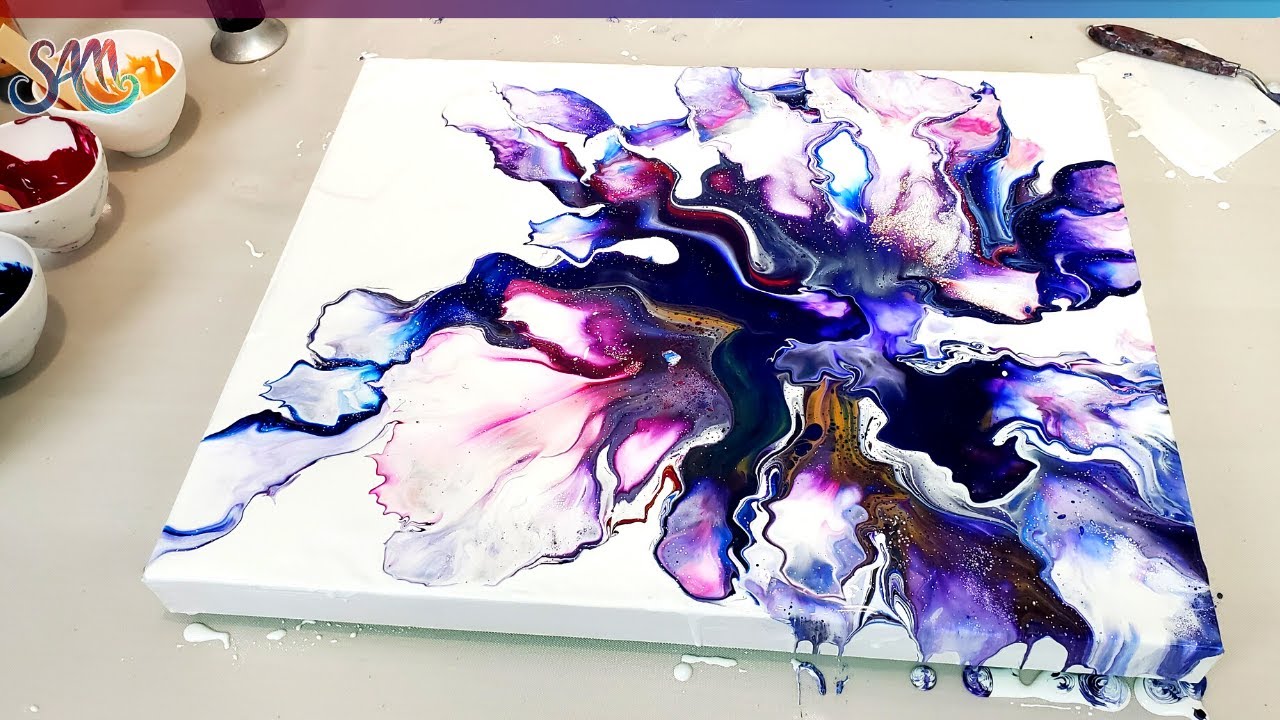
Fluid art, also known as acrylic pouring or liquid art, is a mesmerizing form of abstract art that has gained popularity for its vibrant colors and unpredictable patterns. Artists use various techniques to create stunning compositions by pouring, dripping, or swirling different colored paints onto a canvas.
One of the key elements of fluid art is the use of different viscosities of paint mixed with additives like silicone oil or alcohol to create unique effects. When the paint is poured onto the canvas and manipulated using tools or gravity, it creates intricate patterns and textures that are both captivating and unpredictable.
Each piece of fluid art is a one-of-a-kind creation, as the artist has limited control over how the colors will interact and flow on the canvas. This element of chance adds an exciting and dynamic aspect to the creative process, making each artwork a journey of discovery.
Fluid art allows artists to explore their creativity in a free-flowing and experimental way. The process is not only visually engaging but also therapeutic, as artists can immerse themselves in the rhythmic motions of pouring and swirling paint to create harmonious compositions.
Whether you’re drawn to bold, vibrant colors or subtle, delicate hues, fluid art offers a diverse range of styles and techniques to suit every artistic preference. From cells and lacing patterns to marble effects and geode designs, the possibilities are endless in the world of fluid art.
Experience the magic of fluid art for yourself and discover the beauty that emerges from chaos on canvas.
8 Essential Tips for Mastering Fluid Art: From Quality Paints to Perfect Techniques
- Use high-quality acrylic paints for better results.
- Experiment with different pouring mediums to achieve various effects.
- Prepare your workspace with a drop cloth or plastic to protect surfaces from spills.
- Try different pouring techniques like the flip cup method or swipe technique.
- Allow your artwork to dry completely before applying any sealant or varnish.
- Consider using a torch or heat gun to remove air bubbles from the paint surface.
- Don’t overmix your paints to avoid creating muddy colors in your artwork.
- Practice and patience are key to mastering fluid art techniques.
Use high-quality acrylic paints for better results.
To achieve optimal outcomes in fluid art, it is advisable to utilize high-quality acrylic paints. Premium acrylic paints not only offer a wider range of vibrant colors but also possess superior pigmentation and consistency, resulting in more vivid and dynamic compositions. By investing in quality paints, artists can enhance the overall visual impact of their fluid art pieces, ensuring that the colors remain vibrant and the textures are rich and expressive.
Experiment with different pouring mediums to achieve various effects.
To enhance your fluid art creations, consider experimenting with different pouring mediums to achieve a wide range of effects. By varying the viscosity and composition of your pouring medium, you can control the flow, transparency, and texture of the paint on your canvas. Whether you’re aiming for bold and dynamic patterns or subtle and ethereal textures, exploring various pouring mediums can unlock new possibilities and add depth to your fluid art pieces.
Prepare your workspace with a drop cloth or plastic to protect surfaces from spills.
To ensure a smooth and mess-free fluid art session, it is essential to prepare your workspace adequately. One helpful tip is to lay down a drop cloth or plastic sheet to protect surfaces from accidental spills and splatters. By creating a barrier between your work area and the paint, you can focus on the creative process without worrying about damaging your surroundings. This simple precaution not only helps maintain a clean workspace but also allows you to fully immerse yourself in the art of fluid painting without any distractions.
Try different pouring techniques like the flip cup method or swipe technique.
To enhance your fluid art creations, consider experimenting with various pouring techniques such as the flip cup method or swipe technique. The flip cup method involves layering different colored paints in a cup, then flipping it onto the canvas to release the colors in an organic and dynamic way. On the other hand, the swipe technique entails dragging a tool through the poured paint to create intriguing patterns and textures. By exploring these diverse pouring methods, you can add depth and complexity to your fluid art pieces, resulting in visually captivating and unique artworks.
Allow your artwork to dry completely before applying any sealant or varnish.
It is crucial in fluid art to allow your artwork to dry completely before applying any sealant or varnish. Rushing this step can lead to smudging or distortion of the intricate patterns and textures created during the pouring process. By giving your piece adequate time to dry, you ensure that the colors set properly and the overall composition remains intact, resulting in a finished artwork that truly showcases the beauty and complexity of fluid art techniques.
Consider using a torch or heat gun to remove air bubbles from the paint surface.
When creating fluid art, it is essential to consider using a torch or heat gun to remove air bubbles from the paint surface. By carefully applying heat to the painted surface, any trapped air bubbles can be eliminated, resulting in a smoother and more professional finish. This technique helps enhance the overall quality of the artwork by ensuring a flawless appearance free of imperfections caused by air pockets.
Don’t overmix your paints to avoid creating muddy colors in your artwork.
To achieve vibrant and distinct colors in your fluid art, it is crucial not to overmix your paints. Overmixing can result in muddy colors that lack clarity and depth, diminishing the overall impact of your artwork. By allowing the colors to blend naturally on the canvas through controlled pouring and swirling techniques, you can maintain the integrity of each hue and create visually stunning compositions that captivate the viewer’s eye.
Practice and patience are key to mastering fluid art techniques.
Mastering fluid art techniques requires a combination of practice and patience. As artists experiment with different pouring methods, paint consistencies, and additives, they gradually develop a deeper understanding of how colors interact and flow on the canvas. Patience is essential in allowing the paint to organically create mesmerizing patterns and textures. Through consistent practice and a willingness to embrace the unpredictable nature of fluid art, artists can refine their skills and unlock new possibilities for creative expression.