The Beauty and Significance of Figurative Art
Figurative art, a timeless and captivating genre in the world of visual arts, holds a special place in the hearts of artists and art enthusiasts alike. Defined by its representation of real-world subjects, particularly the human figure, figurative art has a rich history that dates back centuries.
Expressing Emotions and Stories
Figurative art allows artists to convey complex emotions, narratives, and themes through the depiction of human figures. Whether portrayed realistically or stylized, these artworks have the power to evoke strong emotional responses from viewers. From joy and sorrow to love and despair, figurative art captures the essence of human experiences in a way that resonates with audiences on a deep level.
Celebrating Diversity and Identity
Through figurative art, artists have the opportunity to celebrate diversity and explore themes related to identity, culture, gender, and more. By representing individuals from different backgrounds and perspectives, figurative artworks contribute to a broader conversation about inclusivity and representation in art. Each figure depicted carries its own story and significance, adding layers of meaning to the overall composition.
Pushing Boundaries of Creativity
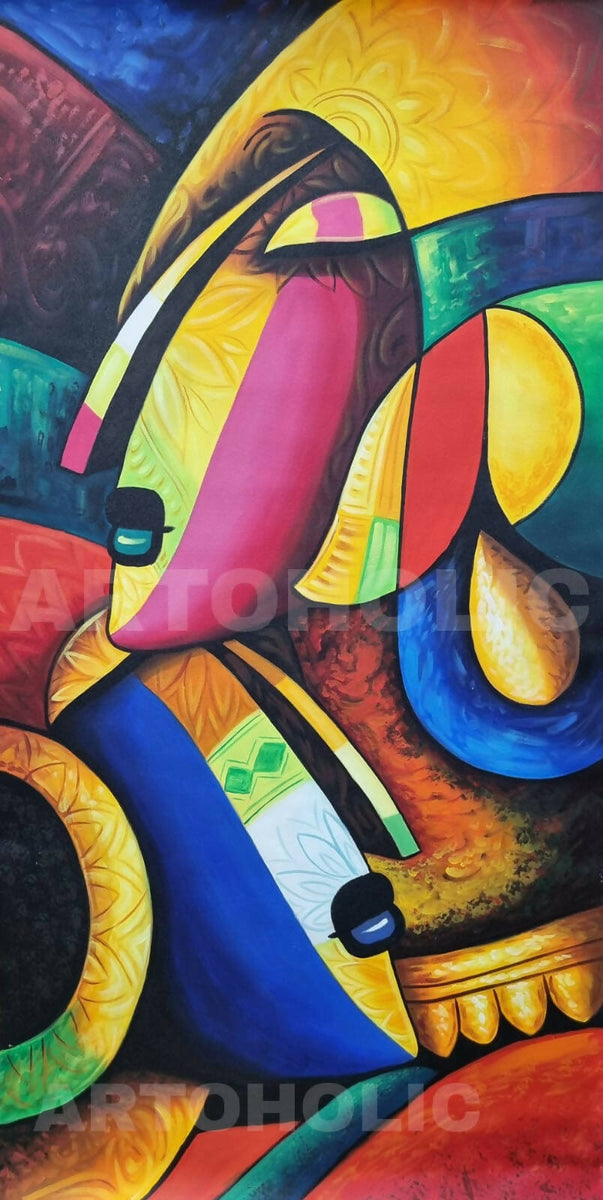
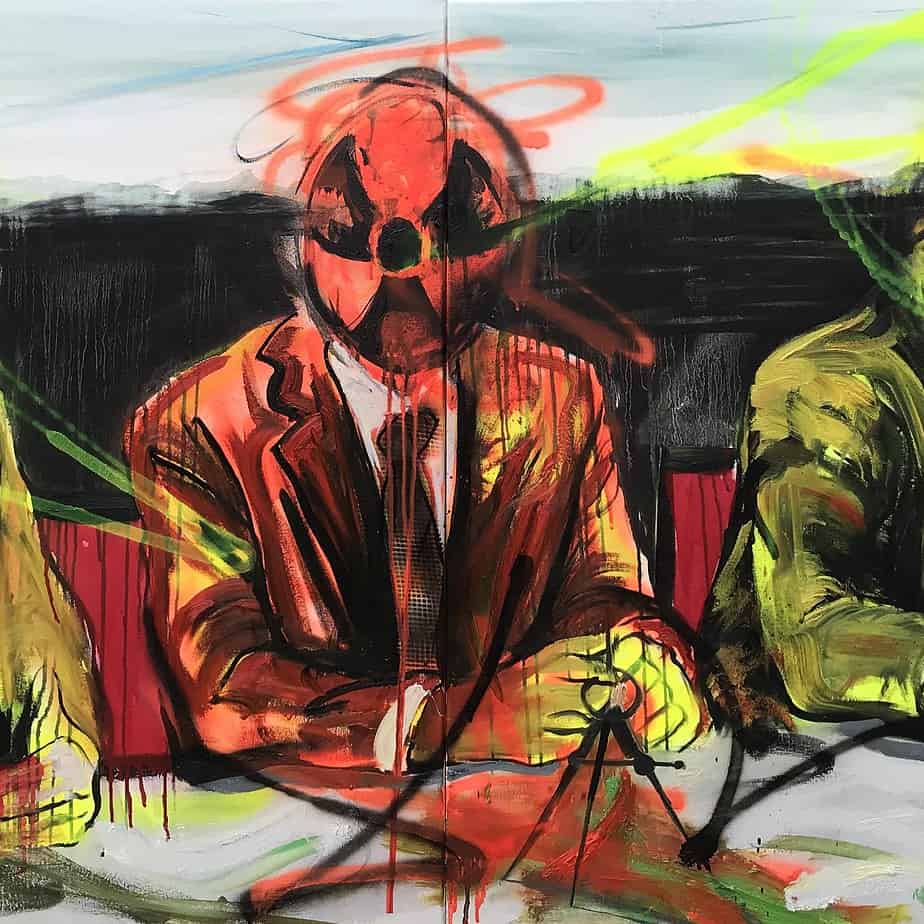
Figurative artists often push the boundaries of creativity by experimenting with different styles, techniques, and interpretations of the human form. From classical realism to abstract expressionism, figurative art encompasses a wide range of artistic approaches that showcase the versatility and innovation within this genre. Artists use color, form, texture, and composition to create compelling visual narratives that challenge perceptions and inspire contemplation.
Preserving Artistic Traditions
Figurative art plays a crucial role in preserving artistic traditions passed down through generations. By studying anatomy, proportions, light/shadow effects, and other fundamental principles of figurative representation, artists hone their skills and pay homage to classical techniques while infusing their own unique perspectives into their work. This fusion of tradition and innovation keeps figurative art relevant and dynamic in today’s ever-evolving art scene.
In conclusion, figurative art remains a powerful means of expression that captures the beauty, complexity, and diversity of the human experience. Through its ability to convey emotions, celebrate identities, push creative boundaries, and preserve artistic traditions, figurative art continues to inspire both artists and audiences around the world.
7 Essential Tips for Mastering Figurative Art: Techniques, Expression, and Creative Exploration
- Study the works of famous figurative artists to understand different styles and techniques.
- Practice drawing figures regularly to improve your skills in capturing proportions and anatomy.
- Experiment with different mediums such as charcoal, pencil, or paint to find what works best for you.
- Attend life drawing classes or workshops to practice drawing from real-life models.
- Focus on expressing emotions and storytelling through your figurative art.
- Don’t be afraid to take creative liberties with proportions or colors to add interest to your pieces.
- Seek feedback from other artists or art enthusiasts to gain new perspectives on your work.
Study the works of famous figurative artists to understand different styles and techniques.
To deepen your understanding of figurative art, it is beneficial to study the works of renowned figurative artists. By exploring the creations of masters in this genre, you can gain insights into a variety of styles and techniques employed to depict the human form. Examining how different artists approach composition, use of color, brushwork, and interpretation of emotions can enrich your own artistic practice and broaden your artistic vocabulary. Learning from the diversity of approaches found in the works of famous figurative artists allows you to appreciate the depth and complexity of figurative art while inspiring your own creative endeavors.
Practice drawing figures regularly to improve your skills in capturing proportions and anatomy.
To enhance your proficiency in capturing proportions and anatomy in figurative art, it is essential to dedicate regular practice sessions to drawing figures. By consistently sketching human forms, you can refine your observational skills, understand the nuances of body proportions, and develop a keen eye for anatomical details. Through practice, you will gradually improve your ability to depict the human figure with accuracy and precision, laying a solid foundation for creating compelling and lifelike figurative artworks.
Experiment with different mediums such as charcoal, pencil, or paint to find what works best for you.
To enhance your exploration of figurative art, consider experimenting with various mediums like charcoal, pencil, or paint to discover which best suits your artistic style and preferences. Each medium offers unique qualities and effects that can influence the mood and expression of your artwork. By trying out different mediums, you can find the one that resonates with you the most and allows you to bring your creative vision to life in a way that feels authentic and compelling. Embrace the process of experimentation to unlock new possibilities and elevate your figurative art practice.
Attend life drawing classes or workshops to practice drawing from real-life models.
To enhance your skills in figurative art, consider attending life drawing classes or workshops where you can practice drawing from real-life models. These sessions provide invaluable opportunities to study the human form up close, observe details such as anatomy and proportions, and capture the nuances of gesture and expression. Drawing from live models not only improves your technical abilities but also deepens your understanding of the human figure, helping you create more realistic and authentic portrayals in your artwork. Embrace the challenge of drawing from life to refine your artistic proficiency and bring a new level of depth to your figurative compositions.
Focus on expressing emotions and storytelling through your figurative art.
When creating figurative art, it is essential to focus on expressing emotions and storytelling through your work. By infusing your pieces with depth and meaning, you can evoke powerful emotional responses from viewers and create a connection that transcends the visual aspect of the artwork. Through careful attention to detail, composition, and narrative elements, you can effectively convey a range of emotions and tell compelling stories through the depiction of human figures. This approach not only enriches the artistic experience for both the creator and the audience but also adds layers of complexity and resonance to your figurative art pieces.
Don’t be afraid to take creative liberties with proportions or colors to add interest to your pieces.
When creating figurative art, it is important not to be afraid to take creative liberties with proportions or colors in order to add interest and depth to your pieces. By experimenting with exaggerated or stylized proportions, you can infuse your artwork with a sense of dynamism and expression that captivates the viewer’s attention. Similarly, playing with unconventional color palettes can evoke different moods and emotions, transforming a traditional representation into a unique and engaging visual experience. Embracing creative freedom in your approach to figurative art allows you to push boundaries, explore new possibilities, and ultimately create artworks that are both compelling and memorable.
Seek feedback from other artists or art enthusiasts to gain new perspectives on your work.
Seeking feedback from other artists or art enthusiasts can provide valuable insights and fresh perspectives on your figurative art creations. By opening up your work to constructive criticism and diverse viewpoints, you can gain a deeper understanding of how your pieces are perceived and interpreted by others. This feedback not only helps you refine your artistic techniques and storytelling abilities but also allows you to connect with a broader community of creatives who can offer guidance, encouragement, and inspiration along your artistic journey.