The Timeless Beauty of Famous Art Pieces
Throughout history, art has served as a reflection of society, culture, and the human experience. Certain art pieces have transcended time and become iconic symbols of creativity and expression. These famous artworks continue to captivate audiences worldwide with their beauty, complexity, and profound messages.
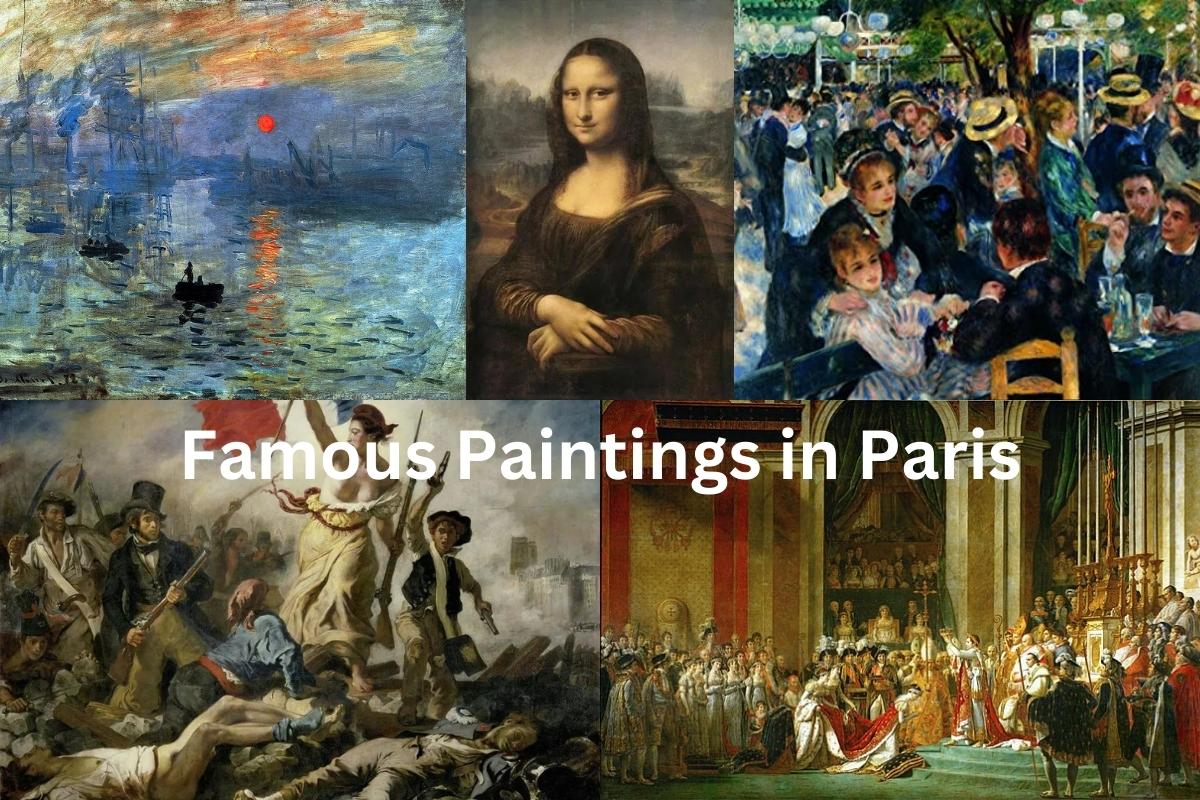
Mona Lisa by Leonardo da Vinci
Arguably the most famous painting in the world, the Mona Lisa is a masterpiece that embodies da Vinci’s skill and artistic vision. The enigmatic smile of the subject and the intricate details of the painting have fascinated art lovers for centuries.
The Starry Night by Vincent van Gogh
Vivid colors and swirling brushstrokes characterize this iconic work by van Gogh. The Starry Night captures the artist’s emotional turmoil and creative genius, making it a beloved piece in art history.
The Persistence of Memory by Salvador Dali
Dali’s surreal masterpiece features melting clocks against a dreamlike landscape. The Persistence of Memory challenges perceptions of time and reality, showcasing Dali’s unique artistic style.
The Scream by Edvard Munch
This haunting painting conveys a sense of existential dread and inner turmoil. The Scream has become an enduring symbol of human emotion and psychological depth in art.
Guernica by Pablo Picasso
A powerful anti-war statement, Guernica depicts the horrors of the Spanish Civil War with stark imagery and symbolism. Picasso’s bold composition and emotional impact make this artwork a timeless representation of human suffering.
These famous art pieces remind us of the transformative power of creativity and the enduring impact of artistic expression on society. Each work tells a story, evokes emotions, and invites viewers to contemplate deeper meanings beyond the canvas.
Exploring the Mysteries and Influence of Iconic Artworks: Frequently Asked Questions
- 1. What is the story behind the Mona Lisa?
- 2. How did Vincent van Gogh’s mental health influence his painting The Starry Night?
- 3. What inspired Salvador Dali to create The Persistence of Memory?
- 4. What does Edvard Munch’s painting The Scream symbolize?
- 5. Why is Pablo Picasso’s Guernica considered a masterpiece of modern art?
- 6. How did Leonardo da Vinci create such realistic details in the Mona Lisa?
- 7. What techniques did Vincent van Gogh use to convey emotion in his artworks?
- 8. How has each of these famous art pieces influenced the art world and popular culture?
1. What is the story behind the Mona Lisa?
The Mona Lisa, painted by the renowned artist Leonardo da Vinci, is one of the most iconic and enigmatic artworks in history. The story behind this masterpiece revolves around the mysterious smile of the subject, believed to be Lisa Gherardini, the wife of a wealthy Florentine merchant. Da Vinci’s meticulous attention to detail and innovative techniques in capturing light and shadow have captivated art enthusiasts for centuries. The painting’s subtle expression and timeless beauty continue to spark curiosity and speculation, making the Mona Lisa a symbol of artistic genius and intrigue in the world of art.
2. How did Vincent van Gogh’s mental health influence his painting The Starry Night?
Vincent van Gogh’s mental health played a significant role in influencing his iconic painting, The Starry Night. Struggling with mental illness throughout his life, van Gogh experienced periods of intense emotional turmoil and instability. The swirling brushstrokes and vivid colors in The Starry Night are believed to reflect his inner turmoil and emotional state at the time of creating the artwork. The painting’s dreamlike quality and expressive style capture van Gogh’s unique perspective on the world, showcasing how his mental health influenced not only his artistic vision but also the profound depth of emotion conveyed in this masterpiece.
3. What inspired Salvador Dali to create The Persistence of Memory?
Salvador Dali’s inspiration for creating The Persistence of Memory stemmed from his fascination with the concept of time and the subconscious mind. The surreal landscape of melting clocks was influenced by Dali’s exploration of dreams, memories, and his own inner thoughts. By incorporating elements that defy traditional notions of reality, Dali sought to challenge viewers’ perceptions and provoke contemplation about the fluidity of time and the nature of existence. The painting serves as a visual representation of Dali’s deep-seated beliefs in the power of imagination and the subconscious to unlock hidden truths about the human experience.
4. What does Edvard Munch’s painting The Scream symbolize?
Edvard Munch’s iconic painting, The Scream, is often interpreted as a profound expression of existential angst and inner turmoil. The figure in the painting, with its contorted face and hands pressed against its ears, conveys a sense of intense psychological distress and alienation. Many art historians and critics believe that The Scream symbolizes the universal experience of anxiety, fear, and despair in the face of the uncertainties and complexities of modern life. The swirling sky and distorted landscape further enhance the painting’s haunting and evocative nature, inviting viewers to reflect on their own emotions and existential concerns.
5. Why is Pablo Picasso’s Guernica considered a masterpiece of modern art?
Pablo Picasso’s Guernica is considered a masterpiece of modern art for its powerful portrayal of the horrors of war and its timeless relevance in condemning violence and suffering. The painting’s bold composition, stark imagery, and emotional depth capture the devastation caused by the bombing of Guernica during the Spanish Civil War. Picasso’s use of symbolism and abstract forms conveys the anguish and chaos of conflict, inviting viewers to reflect on the human cost of war and the need for peace. Guernica’s impact as a political statement and a poignant work of art solidifies its status as a seminal piece in modern art history.
6. How did Leonardo da Vinci create such realistic details in the Mona Lisa?
Leonardo da Vinci’s ability to create such realistic details in the Mona Lisa can be attributed to his meticulous observation of the world around him and his innovative techniques as an artist. Da Vinci was known for his keen eye for detail and his dedication to studying human anatomy, light, and shadow. By carefully observing nature and human faces, he was able to capture subtle nuances and expressions with remarkable accuracy. Additionally, da Vinci’s use of sfumato, a painting technique that involves blending colors and tones seamlessly, allowed him to achieve a sense of depth and realism in the Mona Lisa’s features. Through a combination of skill, creativity, and a deep understanding of artistry, Leonardo da Vinci was able to create a masterpiece that continues to captivate audiences with its lifelike qualities centuries after its creation.
7. What techniques did Vincent van Gogh use to convey emotion in his artworks?
Vincent van Gogh employed a variety of techniques to convey profound emotion in his artworks. One of his signature techniques was the use of bold and vibrant colors, which he applied with expressive brushstrokes to create a sense of movement and intensity. Van Gogh also utilized impasto, a technique where paint is applied thickly to the canvas, adding texture and depth to his compositions. Through his use of light and shadow, as well as dynamic compositions, van Gogh was able to evoke powerful emotions such as joy, melancholy, and passion in his art, leaving a lasting impact on viewers.
8. How has each of these famous art pieces influenced the art world and popular culture?
These famous art pieces have significantly influenced the art world and popular culture in various ways. Each masterpiece has set new standards for artistic expression, creativity, and innovation, inspiring generations of artists to push boundaries and explore new possibilities. The iconic status of these artworks has made them symbols of artistic excellence and cultural significance, shaping the way we perceive and appreciate art. Moreover, these pieces have been widely reproduced, referenced, and parodied in popular culture, further cementing their place in the collective imagination of society. Their impact continues to resonate across different artistic disciplines, influencing fashion, music, film, and literature, demonstrating the enduring legacy of these timeless creations.