The Art of Coffee Painting
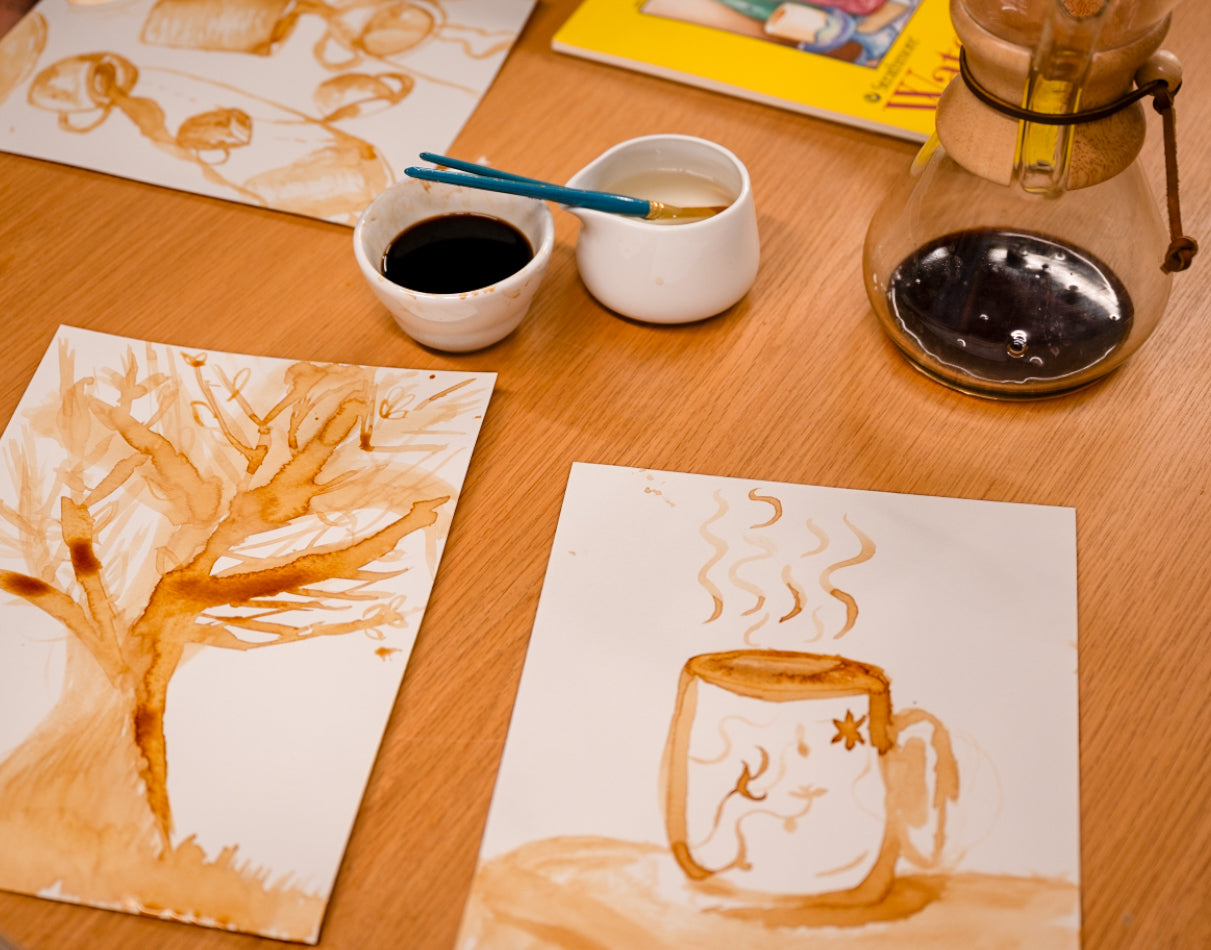
Coffee painting, a unique and intriguing art form, has been gaining popularity among artists and enthusiasts alike. Using coffee as a medium for painting allows artists to explore new techniques and create stunning works of art with rich earthy tones and unique textures.
One of the most appealing aspects of coffee painting is the versatility it offers. Artists can experiment with different concentrations of coffee to achieve varying shades and hues, from light sepia tones to deep espresso colors. The natural properties of coffee also lend a sense of warmth and depth to the artwork, adding a distinctive character that sets it apart from traditional paint mediums.
Creating a coffee painting involves more than just brushing coffee onto paper or canvas. Artists employ various methods such as layering, stippling, and washes to achieve different effects and textures in their work. By controlling the density of the coffee and manipulating its flow, artists can create intricate details and captivating patterns that evoke a sense of depth and dimension.
Aside from its aesthetic appeal, coffee painting also carries a symbolic significance for many artists. The use of coffee as a medium can represent themes such as sustainability, cultural heritage, or personal connection to the beverage itself. Some artists even incorporate actual coffee grounds into their paintings for added texture and visual interest.
Whether created for artistic expression or simply for the love of coffee, coffee painting offers a unique creative outlet that continues to captivate both creators and viewers alike. With its rich history, diverse techniques, and endless possibilities, this unconventional art form invites us to see the world through a new lens – one brewed from the essence of our favorite morning ritual.
Exploring Coffee Painting: Techniques, Materials, and Tips for Beginners
- What is coffee painting?
- How do you create a coffee painting?
- What materials are needed for coffee painting?
- Can you use different types of coffee for painting?
- What techniques are commonly used in coffee painting?
- Is coffee painting suitable for beginners?
- Are there any special considerations when working with coffee as a medium?
- Can coffee paintings be preserved and displayed like traditional paintings?
What is coffee painting?
Coffee painting is a creative art form that utilizes coffee as a medium to produce unique and visually captivating artworks. Artists use various concentrations of coffee to achieve different shades and tones, ranging from light sepia hues to deep espresso colors. The natural properties of coffee lend a distinct warmth and richness to the paintings, creating a sensory experience that sets them apart from traditional paint mediums. Through experimentation with techniques such as layering, stippling, and washes, artists can create intricate details and textures that add depth and dimension to their creations. Coffee painting not only offers a novel way to express creativity but also holds symbolic meanings related to sustainability, cultural heritage, and personal connections to the beloved beverage.
How do you create a coffee painting?
To create a coffee painting, artists typically start by preparing a concentrated solution of coffee by brewing it to varying strengths. This solution serves as the primary medium for painting and allows for the creation of different shades and tones. Artists then use brushes, sponges, or other tools to apply the coffee onto a suitable surface such as paper or canvas. By experimenting with techniques like layering, blending, and stippling, artists can achieve desired effects and textures in their artwork. The use of different concentrations of coffee, along with strategic application methods, helps artists bring their creative vision to life through the unique and captivating medium of coffee painting.
What materials are needed for coffee painting?
When it comes to coffee painting, artists typically require a few essential materials to bring their creative visions to life. The primary supplies needed for coffee painting include brewed coffee (in varying concentrations for different shades), brushes of different sizes for applying the coffee, watercolor paper or canvas as the painting surface, a palette for mixing and diluting the coffee, and a source of inspiration to guide the artistic process. Additionally, artists may choose to incorporate additional tools such as pencils for sketching outlines, erasers for corrections, and sealants to preserve the finished artwork. With these basic materials in hand, artists can embark on their coffee painting journey and explore the unique possibilities this unconventional medium has to offer.
Can you use different types of coffee for painting?
When it comes to coffee painting, one common question that arises is whether different types of coffee can be used as a painting medium. The answer is yes – artists have the flexibility to experiment with various types of coffee, each offering its own unique characteristics and tones to the artwork. From light and aromatic blends to bold and rich espresso varieties, the choice of coffee can significantly impact the color palette and texture of the painting. By exploring different types of coffee, artists can unleash their creativity and create diverse artworks that reflect the nuances of this unconventional medium.
What techniques are commonly used in coffee painting?
In coffee painting, artists often utilize a variety of techniques to bring their creations to life. Some common techniques include layering, where different concentrations of coffee are applied to build up depth and richness in the artwork. Stippling is another popular method, involving the use of small dots or dashes of coffee to create intricate textures and details. Washes are also commonly employed, where diluted coffee is brushed or poured onto the surface to achieve subtle gradients and soft transitions between tones. These techniques, along with others like blending, scraping, and sgraffito, allow artists to explore the unique qualities of coffee as a medium and unleash their creativity in captivating ways.
Is coffee painting suitable for beginners?
Coffee painting can be a suitable and engaging art form for beginners due to its accessible nature and forgiving characteristics. The simplicity of working with coffee as a medium allows novice artists to experiment and explore their creativity without the need for specialized equipment or extensive training. The organic qualities of coffee offer a sense of familiarity and comfort, making it easier for beginners to connect with the medium and express their artistic vision. Additionally, the versatility of coffee painting techniques provides ample room for beginners to practice and refine their skills, gradually building confidence and proficiency in this unique art form.
Are there any special considerations when working with coffee as a medium?
When working with coffee as a medium for painting, there are several special considerations to keep in mind. One important factor is the permanence of coffee as a medium – while it creates unique and rich tones, it may not have the same longevity as traditional paint mediums. Artists may need to take extra precautions to protect their coffee paintings from fading or discoloration over time. Additionally, the consistency of coffee can vary depending on factors such as brewing method and concentration, so artists may need to experiment to achieve the desired effects. It’s also essential to consider the potential for staining or discoloration of surfaces, as coffee can leave marks that are difficult to remove. Despite these challenges, working with coffee offers a rewarding and creative experience that allows artists to explore new techniques and express themselves in a truly unique way.
Can coffee paintings be preserved and displayed like traditional paintings?
Coffee paintings can indeed be preserved and displayed like traditional paintings with proper care and consideration. To ensure the longevity of a coffee painting, it is essential to protect it from direct sunlight, humidity, and extreme temperatures. Sealing the artwork with a fixative or varnish can help prevent smudging and fading over time. When framing a coffee painting, using archival materials and UV-protective glass can further safeguard its integrity. By following these preservation techniques, coffee paintings can be proudly showcased alongside traditional artworks, allowing their unique beauty and charm to be appreciated for years to come.