The Timeless Beauty of Classical Art
Classical art, with its rich history and enduring influence, stands as a testament to the creativity and skill of artists throughout the ages. Rooted in ancient traditions and embodying timeless principles of beauty and harmony, classical art continues to captivate audiences around the world.
Ancient Roots
Classical art traces its origins back to ancient civilizations such as Greece and Rome, where artists sought to depict the idealized forms of gods, heroes, and everyday life. Sculptures, paintings, and architecture from this period showcase a meticulous attention to detail and a deep reverence for symmetry and proportion.
Renaissance Revival
The Renaissance period saw a revival of classical art principles, with artists like Leonardo da Vinci, Michelangelo, and Raphael drawing inspiration from ancient Greek and Roman works. This era marked a golden age of creativity, resulting in masterpieces that continue to be celebrated for their beauty and technical mastery.
Legacy of Influence
Classical art has left an indelible mark on the world of art and culture. Its emphasis on balance, order, and clarity has influenced countless artists across different genres and movements. From neoclassicism to modernism, echoes of classical aesthetics can be seen in diverse artistic expressions.
Appreciating Classical Art Today
Despite the passage of time, classical art remains relevant and revered in contemporary society. Museums, galleries, and educational institutions continue to showcase classical masterpieces, allowing audiences to appreciate the beauty and craftsmanship of these timeless works.
Whether through a sculpture by Phidias or a painting by Botticelli, classical art invites us to contemplate the universal themes of beauty, truth, and humanity. Its enduring legacy serves as a reminder of the power of artistic expression to transcend boundaries and connect us across cultures and generations.
Exploring Classical Art: Key Questions and Insights
- What is classical art?
- What are the characteristics of classical art?
- Who were some famous classical artists?
- How did classical art influence later artistic movements?
- What are the main themes depicted in classical art?
- What materials were commonly used in classical art?
- Where can I see classical art masterpieces today?
- How has the perception of classical art evolved over time?
What is classical art?
Classical art refers to the artistic traditions and styles that originated in ancient civilizations, particularly ancient Greece and Rome. It encompasses a wide range of artistic disciplines, including sculpture, painting, architecture, and pottery. Classical art is characterized by its emphasis on idealized forms, balance, harmony, and symmetry. Artists of this period often drew inspiration from mythology, history, and the natural world to create works that reflected the beauty and perfection of the human form. Classical art has had a profound influence on art history and continues to be celebrated for its timeless aesthetic principles and enduring legacy in the world of art and culture.
What are the characteristics of classical art?
Classical art is characterized by a set of defining features that reflect the ideals and aesthetics of the ancient civilizations that produced it. These characteristics include a focus on idealized forms, symmetry, and proportion, as well as a meticulous attention to detail in both sculpture and painting. Classical art often depicts themes from mythology, history, and everyday life with a sense of harmony and balance. The use of perspective, balance, and clarity in composition are also key elements that contribute to the timeless beauty and enduring appeal of classical artworks.
Who were some famous classical artists?
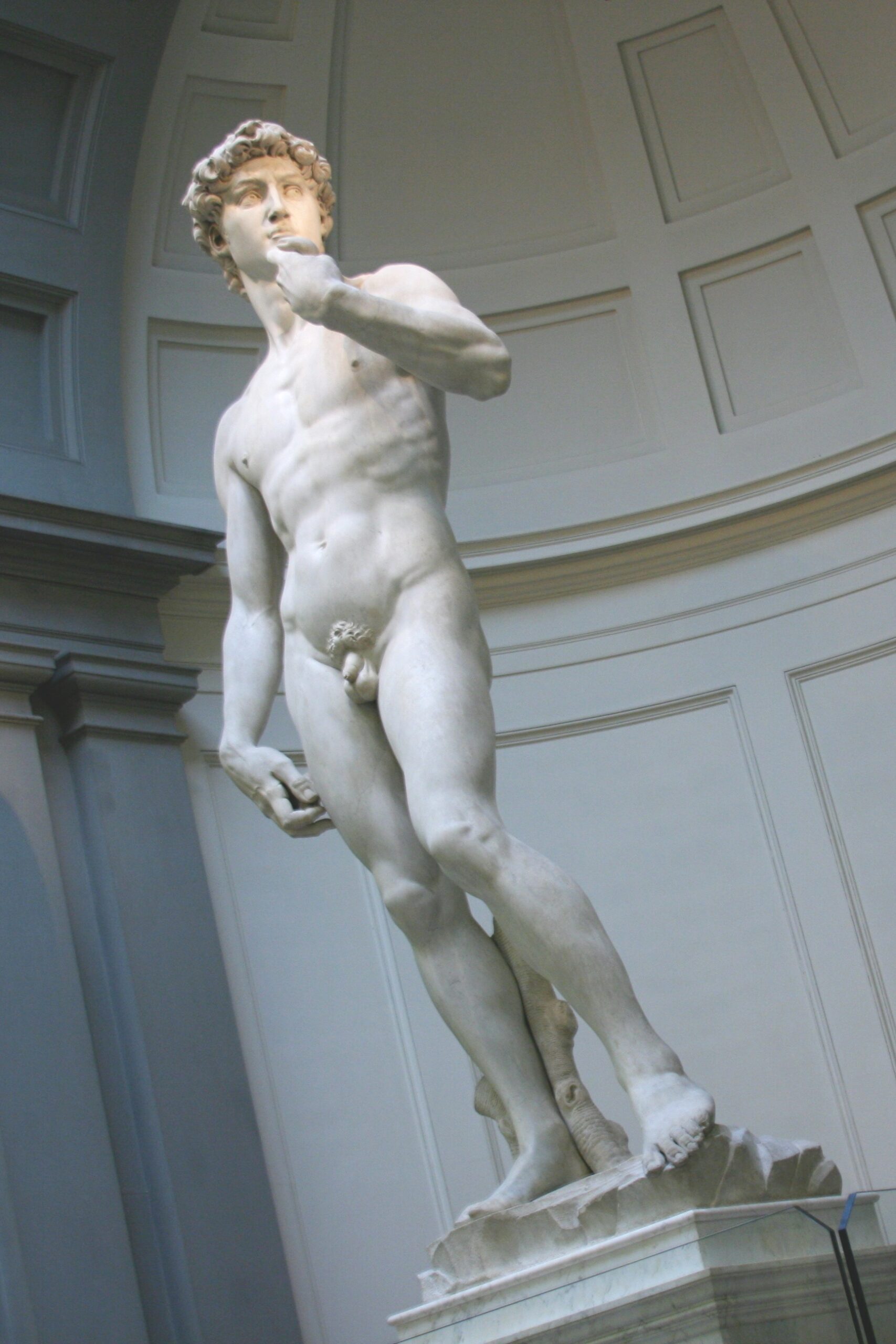
Many renowned artists have left a lasting legacy in the realm of classical art. Among them, Leonardo da Vinci, Michelangelo, and Raphael stand out as prominent figures of the Renaissance era. Their masterpieces, such as Da Vinci’s “Mona Lisa,” Michelangelo’s “David,” and Raphael’s “The School of Athens,” exemplify the pinnacle of artistic achievement during this period. These artists not only showcased exceptional technical skill but also revolutionized the way art was perceived and created, influencing generations of artists to come.
How did classical art influence later artistic movements?
Classical art, with its emphasis on balance, harmony, and idealized forms, exerted a profound influence on later artistic movements across history. The principles of classical art, rooted in ancient Greek and Roman traditions, served as a foundation for artistic innovation and creativity in subsequent eras. The Renaissance artists drew inspiration from classical sculptures and paintings, incorporating elements of realism and perspective into their works. Neoclassical artists of the 18th century looked to ancient art for guidance in reviving classical aesthetics in their compositions. Even modernist movements such as Cubism and Abstract Expressionism found inspiration in the geometric precision and emotional depth of classical art. The enduring legacy of classical art continues to shape artistic expression today, highlighting its timeless relevance and enduring impact on the evolution of art.
What are the main themes depicted in classical art?
Classical art encompasses a wide range of themes that reflect the values, beliefs, and narratives of the societies in which it was created. Some of the main themes depicted in classical art include mythology, religion, history, nature, and the human form. Mythological stories from ancient civilizations like Greece and Rome often served as inspiration for artists, showcasing heroic deeds, tragic tales, and divine beings. Religious themes were also prominent, depicting scenes from sacred texts or religious rituals. Historical events and figures were another common subject in classical art, celebrating victories, commemorating leaders, or documenting significant moments. Additionally, classical artists had a deep appreciation for nature’s beauty and often portrayed landscapes, animals, and botanical elements in their works. Lastly, the human form held a central place in classical art, with artists striving to capture the idealized proportions and expressions of the human figure in sculptures and paintings. These diverse themes not only showcase the artistic skills of classical artists but also provide insights into the cultural and societal contexts of their time.
What materials were commonly used in classical art?
In classical art, a variety of materials were commonly used by artists to create their masterpieces. From the ancient civilizations of Greece and Rome to the Renaissance period, artists utilized materials such as marble, bronze, clay, and wood for sculptural works. In painting, techniques like fresco and tempera were popular, with artists using pigments derived from natural sources to create vibrant colors on surfaces such as canvas or plaster walls. The choice of materials in classical art not only reflected the technical skills of the artists but also contributed to the durability and aesthetic appeal of their creations, showcasing a meticulous attention to detail and craftsmanship that continues to inspire admiration today.
Where can I see classical art masterpieces today?
For those seeking to witness classical art masterpieces in person, there are numerous renowned museums and galleries around the world that house a treasure trove of these timeless works. From the Louvre in Paris, home to iconic pieces like the Venus de Milo and the Winged Victory of Samothrace, to the Vatican Museums in Rome, where visitors can marvel at the frescoes of Michelangelo in the Sistine Chapel, there are endless opportunities to experience classical art up close. Additionally, institutions such as The Metropolitan Museum of Art in New York City, The British Museum in London, and The Uffizi Gallery in Florence offer a diverse array of classical artworks spanning different periods and styles. Whether you are drawn to ancient Greek sculptures, Renaissance paintings, or neoclassical architecture, these cultural landmarks provide a window into the rich history and enduring beauty of classical art.
How has the perception of classical art evolved over time?
The perception of classical art has evolved significantly over time, reflecting shifting cultural values and artistic trends. Initially revered for its idealized forms and technical precision in ancient civilizations, classical art later experienced a revival during the Renaissance period, where it was celebrated for its beauty and harmony. As art movements progressed, the perception of classical art shifted from being seen as a rigid standard to a source of inspiration for artists seeking to explore new creative possibilities. Today, classical art is appreciated not only for its historical significance but also for its enduring influence on contemporary artistic expression, highlighting the timeless appeal and relevance of classical aesthetics in the modern world.