The Art of Chinese Painting
Chinese painting, with its rich history and unique techniques, stands as a testament to the artistic traditions of China. Dating back thousands of years, Chinese painting has evolved into a distinct art form that captures the essence of Chinese culture and philosophy.
Ancient Roots
The origins of Chinese painting can be traced back to the Neolithic period, with early examples found on pottery and cave walls. Over time, painting became a highly respected art form in China, influenced by various dynasties and schools of thought.
Techniques and Styles
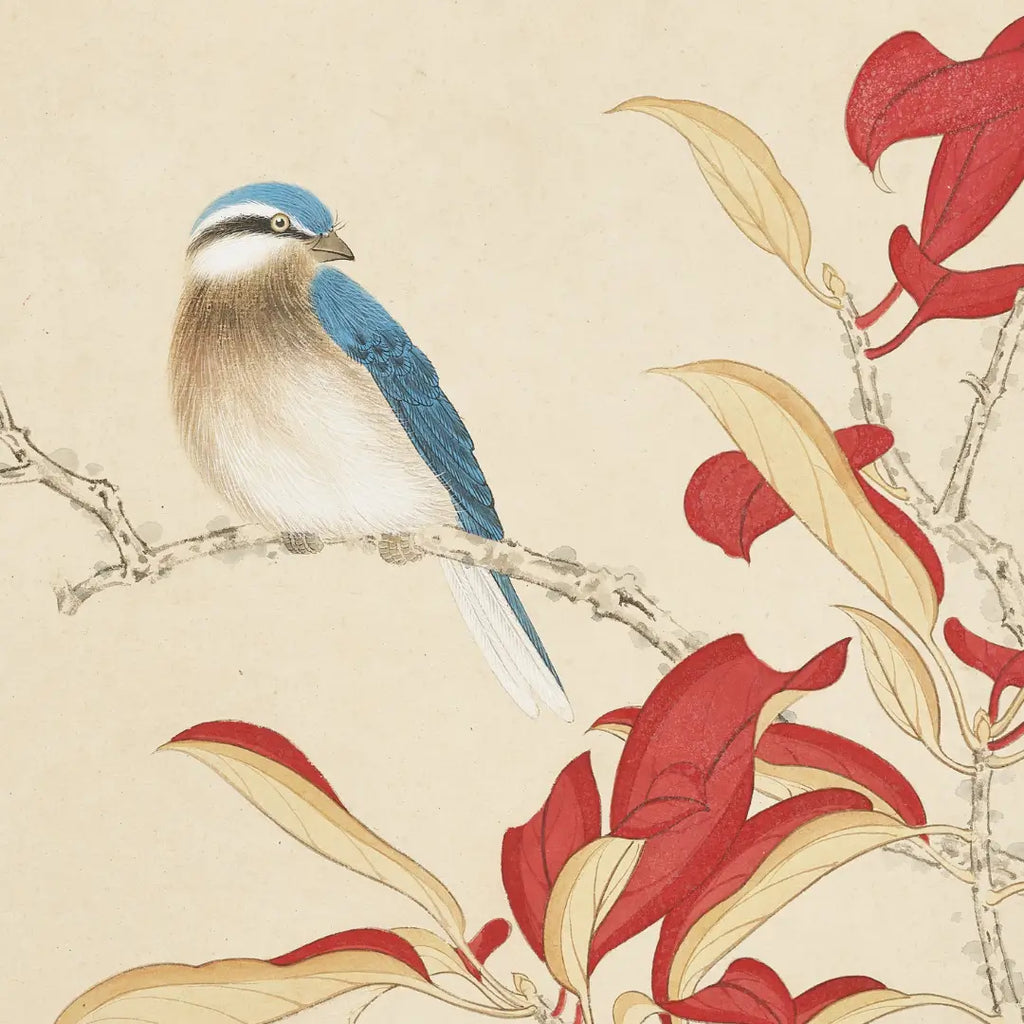
Chinese painting is characterized by its use of brush and ink on silk or paper. Artists often employ techniques such as “moistening ink” and “boneless strokes” to create delicate lines and subtle shades. Traditional Chinese painting styles include landscapes, flowers and birds, figures, and calligraphy.
Spiritual Connection
Chinese painting is not just about capturing the physical world; it also conveys spiritual and philosophical ideas. Artists strive to express harmony between nature and humanity, reflecting Confucian, Taoist, and Buddhist beliefs.
Influence on Western Art
Chinese painting has had a profound impact on Western art movements such as Impressionism and Abstract Expressionism. Artists like Vincent van Gogh and Claude Monet were inspired by the simplicity and elegance of Chinese brushwork.
Preservation and Innovation
In modern times, efforts are being made to preserve traditional Chinese painting techniques while also encouraging innovation and experimentation. Contemporary artists are blending traditional methods with modern themes to create new forms of expression.
Appreciation for Chinese Painting
Chinese painting continues to captivate audiences around the world with its beauty, depth, and cultural significance. It serves as a window into the soul of China, offering insights into its history, values, and artistic achievements.
Exploring Chinese Painting: Key Questions and Insights into Traditional and Contemporary Art
- What is Chinese painting?
- What are the traditional materials used in Chinese painting?
- What are the main styles of Chinese painting?
- How does Chinese painting differ from Western painting?
- What cultural and philosophical influences can be seen in Chinese painting?
- Who are some famous Chinese painters throughout history?
- How has Chinese painting influenced Western art?
- Are there contemporary artists who continue the tradition of Chinese painting?
What is Chinese painting?
Chinese painting is a revered art form with ancient roots that embody the rich cultural heritage of China. It encompasses a variety of techniques and styles, typically using brush and ink on silk or paper to create exquisite works of art. Chinese painting goes beyond mere representation of the physical world; it encapsulates spiritual and philosophical ideals, often reflecting the harmony between nature and humanity as inspired by Confucian, Taoist, and Buddhist beliefs. With its profound influence on Western art and ongoing efforts to preserve traditional techniques while embracing innovation, Chinese painting remains a captivating expression of beauty, tradition, and cultural significance.
What are the traditional materials used in Chinese painting?
In traditional Chinese painting, artists often use specific materials to create their artworks. These materials include brushes made from animal hair such as goat, wolf, or rabbit, ink sticks that are ground with water to create ink, ink stones for grinding the ink, rice paper or silk as the painting surface, and traditional Chinese colors like mineral pigments and plant-based dyes. The combination of these materials allows artists to achieve the characteristic brushwork and subtle tonal variations that are hallmarks of Chinese painting.
What are the main styles of Chinese painting?
Chinese painting encompasses several main styles that have evolved over centuries, each with its own unique characteristics and influences. Some of the main styles of Chinese painting include landscape painting, which focuses on capturing the beauty of nature and conveying a sense of tranquility; flower-and-bird painting, which portrays the delicate balance and harmony between flora and fauna; figure painting, which depicts human figures in various settings to convey emotions and stories; and calligraphy, which combines artistic expression with the written word to create visually stunning compositions. These styles reflect the diverse cultural heritage and artistic traditions of China, showcasing the country’s deep connection to nature, spirituality, and creativity.
How does Chinese painting differ from Western painting?
Chinese painting differs from Western painting in various aspects, reflecting distinct cultural and artistic traditions. One notable difference lies in the techniques and materials used. Chinese painting emphasizes the use of brush and ink on silk or paper, focusing on capturing the essence and spirit of the subject rather than realistic representation. In contrast, Western painting often prioritizes perspective, shading, and three-dimensional illusion to depict scenes accurately. Furthermore, Chinese painting often incorporates calligraphy as an integral part of the artwork, blending visual art with written language to convey deeper meanings. This integration of art forms reflects the holistic approach to creativity in Chinese culture compared to the more compartmentalized nature of Western art traditions.
What cultural and philosophical influences can be seen in Chinese painting?
In Chinese painting, cultural and philosophical influences are deeply embedded, shaping the essence of this art form. The harmony between nature and humanity, a core tenet of Confucianism, is often reflected in the serene landscapes and delicate depictions of flora and fauna. Taoist principles of simplicity, balance, and spontaneity inspire the fluid brushwork and minimalist compositions found in Chinese paintings. Additionally, Buddhist beliefs in impermanence and interconnectedness manifest in the symbolic imagery and meditative qualities of many artworks. Through these cultural and philosophical lenses, Chinese painting serves not only as a visual expression but also as a spiritual reflection of the interconnectedness between the artist, nature, and the universe.
Who are some famous Chinese painters throughout history?
Throughout history, Chinese painting has been enriched by the contributions of numerous renowned artists who have left a lasting impact on the art world. Some of the most famous Chinese painters include Zhang Zeduan, known for his masterpiece “Along the River During the Qingming Festival,” which vividly depicts daily life in ancient China. Another notable figure is Xu Beihong, celebrated for his realistic and expressive horse paintings that symbolize strength and freedom. Wang Ximeng, a prodigy artist from the Northern Song dynasty, is admired for his exceptional talent and intricate landscape paintings. These artists, among many others, have shaped the landscape of Chinese painting with their creativity, skill, and unique artistic visions.
How has Chinese painting influenced Western art?
Chinese painting has significantly influenced Western art through its unique techniques and philosophical underpinnings. The simplicity and elegance of Chinese brushwork have inspired Western artists like Vincent van Gogh and Claude Monet, who incorporated elements of Chinese painting into their own works. The emphasis on capturing the essence of a subject rather than its physical details, as seen in Chinese landscape paintings, has influenced movements such as Impressionism and Abstract Expressionism. By introducing new perspectives on composition, color, and form, Chinese painting has enriched the artistic vocabulary of Western art and fostered cross-cultural dialogue between East and West.
Are there contemporary artists who continue the tradition of Chinese painting?
In the realm of Chinese painting, there exists a vibrant community of contemporary artists who skillfully carry on the rich tradition of this ancient art form. These artists adeptly blend traditional Chinese painting techniques with modern themes and innovative approaches, creating a fusion that resonates with both cultural heritage and contemporary sensibilities. Through their creative expressions, these artists breathe new life into the age-old tradition of Chinese painting, ensuring its relevance and evolution in today’s dynamic artistic landscape.