The Serenity of Buddha Painting
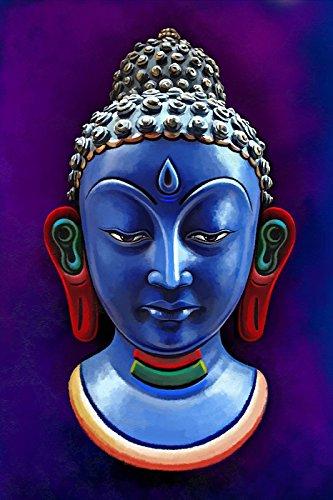
Throughout history, the image of Buddha has been a symbol of peace, enlightenment, and spiritual awakening. Artists around the world have been inspired by the serene presence of Buddha, capturing his essence in various forms of art. One such form is the Buddha painting, which serves as a visual representation of tranquility and inner harmony.
Buddha paintings often depict Siddhartha Gautama, the founder of Buddhism, in a state of deep meditation or contemplation. The serene expression on Buddha’s face and the peaceful aura that surrounds him convey a sense of calmness and serenity to the viewer. The use of soft colors, gentle brushstrokes, and symbolic elements further enhance the meditative quality of these paintings.
Many artists believe that creating a Buddha painting is not just about capturing a physical likeness but also about conveying the spiritual essence and teachings of Buddha. Through their art, they aim to evoke a sense of introspection, mindfulness, and compassion in those who contemplate these paintings.
For viewers, gazing upon a Buddha painting can be a transformative experience. It has the power to quiet the mind, soothe the soul, and inspire a sense of inner peace. The image of Buddha serves as a reminder to seek enlightenment within oneself and cultivate virtues such as wisdom, compassion, and loving-kindness.
Whether displayed in homes, meditation spaces, or art galleries, Buddha paintings continue to captivate audiences with their timeless beauty and profound symbolism. They serve as visual reminders of the path to spiritual awakening and offer solace in times of turmoil and uncertainty.
In conclusion, the serenity embodied in Buddha paintings transcends mere artistic expression; it serves as a beacon of hope and tranquility for all who seek solace in its timeless wisdom.
5 Essential Tips for Creating a Tranquil Buddha Painting
- Choose a serene and peaceful color palette for the painting.
- Focus on capturing the peaceful expression on Buddha’s face.
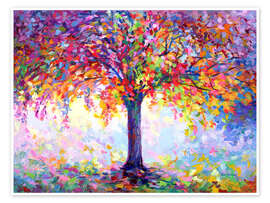
- Include traditional symbols like lotus flowers or Bodhi trees in the painting.
- Pay attention to details such as hand gestures (mudras) that have specific meanings.
- Consider incorporating a sense of light and illumination to symbolize enlightenment.
Choose a serene and peaceful color palette for the painting.
When creating a Buddha painting, it is essential to choose a serene and peaceful color palette. Soft hues such as pastel blues, calming greens, and gentle earth tones can evoke a sense of tranquility and harmony in the artwork. These colors not only complement the spiritual essence of Buddha but also help create a soothing atmosphere for the viewer. By selecting a peaceful color palette, artists can enhance the meditative quality of the painting and convey a sense of inner peace and serenity to those who contemplate it.
Focus on capturing the peaceful expression on Buddha’s face.
When creating a Buddha painting, it is essential to focus on capturing the peaceful expression on Buddha’s face. The serene countenance of Buddha reflects his inner tranquility and enlightenment, conveying a sense of calmness and spiritual depth. By emphasizing the peaceful expression through careful brushstrokes and attention to detail, artists can evoke a profound sense of meditation and contemplation in the viewer. This emphasis on capturing the essence of peace in Buddha’s face not only honors the spiritual teachings of Buddhism but also invites observers to connect with their own inner serenity and mindfulness.
Include traditional symbols like lotus flowers or Bodhi trees in the painting.
Incorporating traditional symbols such as lotus flowers or Bodhi trees into a Buddha painting adds layers of meaning and symbolism to the artwork. The lotus flower, often associated with purity and enlightenment, symbolizes the journey from darkness to light, mirroring the spiritual path of awakening. Similarly, the Bodhi tree holds significance as the tree under which Buddha attained enlightenment, representing wisdom, peace, and inner transformation. By including these timeless symbols in a Buddha painting, artists not only pay homage to Buddhist traditions but also infuse their work with deeper spiritual resonance and universal truths that resonate with viewers on a profound level.
Pay attention to details such as hand gestures (mudras) that have specific meanings.
When creating or appreciating a Buddha painting, it is essential to pay attention to details such as hand gestures, known as mudras, that hold specific meanings. Each mudra in a Buddha painting symbolizes different aspects of enlightenment, teachings, or states of being. The careful depiction of these mudras adds depth and significance to the artwork, allowing viewers to connect more deeply with the spiritual messages conveyed by the painting. By understanding the meanings behind these hand gestures, one can gain a richer understanding of the profound symbolism and wisdom inherent in Buddha paintings.
Consider incorporating a sense of light and illumination to symbolize enlightenment.
When creating a Buddha painting, it is essential to consider incorporating a sense of light and illumination to symbolize enlightenment. By using techniques that emphasize light and shadow, artists can visually represent the inner radiance and spiritual awakening associated with Buddha’s teachings. The interplay of light in the painting can evoke a sense of clarity, wisdom, and transcendence, guiding the viewer towards a deeper understanding of enlightenment and inner peace. Through skillful use of light and illumination, artists can infuse their Buddha paintings with a profound sense of spiritual significance and transformative power.