The Mesmerizing Art of Acrylic Pour Painting
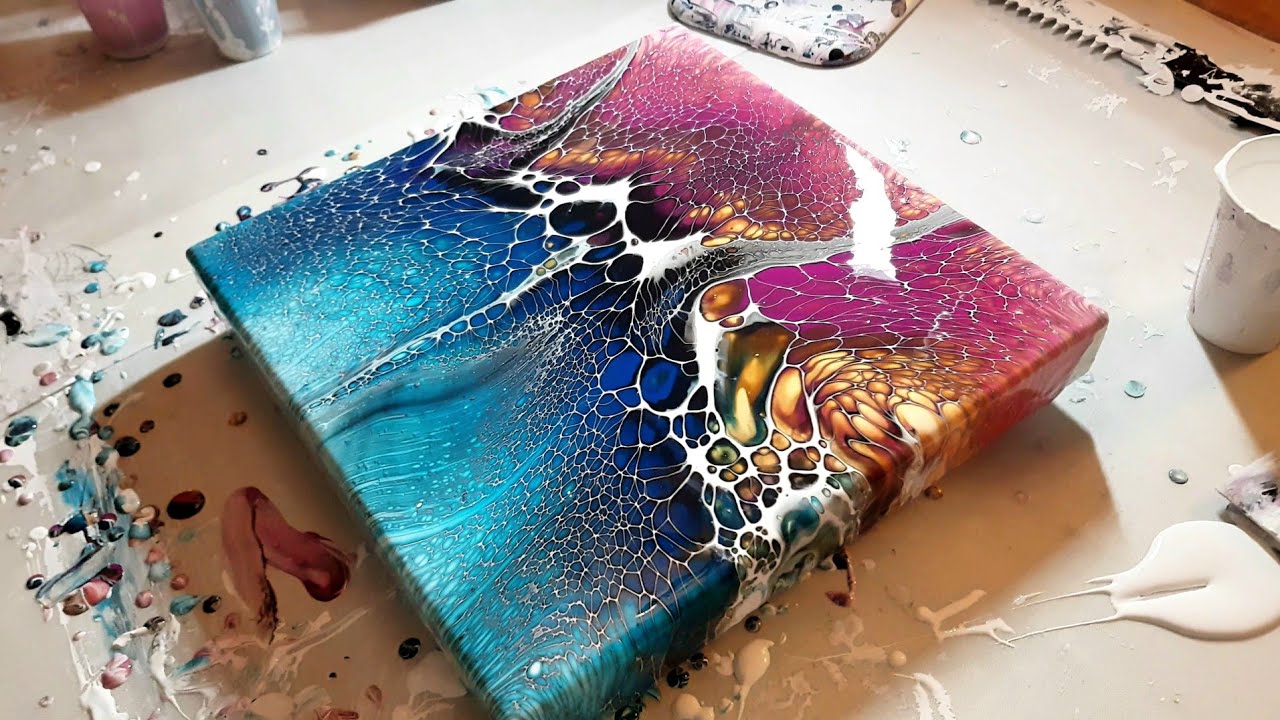
Acrylic pour painting, also known as fluid art or liquid art, has taken the art world by storm with its mesmerizing and unpredictable results. This innovative technique involves mixing acrylic paints with pouring medium to create stunning abstract compositions that flow and blend in unique ways.
One of the most intriguing aspects of acrylic pour painting is the element of chance. Artists have little control over how the colors will interact and spread across the canvas, resulting in beautiful organic patterns and textures. Each pour is a journey of discovery, with no two pieces ever turning out exactly the same.
Creating an acrylic pour painting requires a delicate balance of paint consistency, pouring technique, and timing. Artists carefully layer different colors in a cup before pouring them onto the canvas in various ways – from simple straight pours to intricate swirls and spirals. The paint then flows and mixes on its own, creating intricate marbling effects that captivate the eye.
Acrylic pour painting offers endless possibilities for experimentation and creativity. Artists can explore different color combinations, pouring methods, and surface textures to achieve a wide range of effects – from vibrant bursts of color to subtle gradients and soft blends.
Whether you’re a seasoned artist or just starting out, acrylic pour painting is a rewarding and therapeutic art form that allows for endless self-expression. So grab your paints, mix up some magic, and let your creativity flow with this captivating technique!
Mastering Acrylic Pour Painting: 9 Essential Tips for Stunning Results
- Prepare your workspace with a plastic sheet or drop cloth to protect surfaces.
- Mix acrylic paints with pouring medium to achieve the right consistency for pouring.
- Use a variety of colors to create interesting and dynamic effects in your pour painting.
- Experiment with different pouring techniques like the flip cup method or the swipe technique.
- Tilt your canvas gently to guide the flow of paint and create unique patterns.
- Allow your pour painting to dry completely before applying any finishes or varnishes.
- Consider wearing gloves to protect your hands from paint and use a mask in well-ventilated areas.
- Clean up spills and drips immediately to prevent messes from drying on surfaces.
- Have fun and embrace the unpredictable nature of acrylic pour painting!
Prepare your workspace with a plastic sheet or drop cloth to protect surfaces.
To ensure a mess-free and stress-free acrylic pour painting session, it is essential to prepare your workspace with a plastic sheet or drop cloth to protect surfaces. This simple yet effective tip not only safeguards your floors and tables from accidental spills and drips but also allows you to focus on the creative process without worrying about cleanup. By creating a designated painting area with proper protection, you can fully immerse yourself in the art of acrylic pouring and unleash your artistic potential with peace of mind.
Mix acrylic paints with pouring medium to achieve the right consistency for pouring.
To achieve optimal results in acrylic pour painting, it is essential to mix your acrylic paints with a pouring medium to attain the correct consistency for pouring. The pouring medium helps to thin out the paint without compromising its color intensity, ensuring that it flows smoothly and evenly across the canvas. By achieving the right consistency, you can create beautiful fluid patterns and blends that enhance the overall visual impact of your acrylic pour artwork.
Use a variety of colors to create interesting and dynamic effects in your pour painting.
Utilizing a diverse range of colors is key to achieving captivating and dynamic effects in your acrylic pour painting. By incorporating a variety of hues, tones, and shades, you can add depth, complexity, and visual interest to your artwork. Experimenting with different color combinations allows you to create intricate patterns, vibrant contrasts, and subtle transitions that enhance the overall impact of your pour painting. Embrace the versatility of colors to unleash your creativity and bring your artistic vision to life with striking and engaging results.
Experiment with different pouring techniques like the flip cup method or the swipe technique.
Enhance your acrylic pour painting experience by experimenting with various pouring techniques, such as the flip cup method or the swipe technique. The flip cup method involves layering different colored paints in a cup, placing the cup upside down on the canvas, and then lifting it to let the paint flow out in a dynamic and unpredictable way. On the other hand, the swipe technique entails dragging a tool like a palette knife or a piece of cardboard through the poured paint to create intriguing patterns and textures. By exploring these different pouring methods, you can add depth and complexity to your acrylic pour paintings, resulting in truly unique and captivating artworks.
Tilt your canvas gently to guide the flow of paint and create unique patterns.
To enhance the beauty of your acrylic pour painting, it is recommended to gently tilt your canvas to direct the flow of paint and form distinctive patterns. By tilting the canvas in different directions, you can control how the colors blend and interact, resulting in captivating swirls, cells, and gradients. This technique not only adds a sense of movement and depth to your artwork but also allows for the creation of one-of-a-kind designs that truly showcase the fluid nature of acrylic pour painting.
Allow your pour painting to dry completely before applying any finishes or varnishes.
It is essential to allow your acrylic pour painting to dry completely before applying any finishes or varnishes. Rushing this step can lead to uneven drying, cracking, or other imperfections in the final result. By giving your artwork ample time to dry naturally, you ensure that the colors set properly and the surface is ready for any sealing or protective coatings. Patience in this process will ultimately contribute to the longevity and quality of your acrylic pour painting, allowing you to showcase your masterpiece with pride for years to come.
Consider wearing gloves to protect your hands from paint and use a mask in well-ventilated areas.
When engaging in acrylic pour painting, it is advisable to consider wearing gloves to shield your hands from paint and using a mask in well-ventilated areas. Gloves not only protect your skin from potential irritation caused by prolonged exposure to acrylic paints but also make the cleanup process easier. Additionally, using a mask in well-ventilated spaces helps minimize inhalation of fumes or particles, ensuring a safer and more comfortable painting environment. Prioritizing safety measures like these allows artists to fully immerse themselves in the creative process of acrylic pour painting while safeguarding their health and well-being.
Clean up spills and drips immediately to prevent messes from drying on surfaces.
To maintain a tidy workspace and preserve the quality of your acrylic pour painting, it is essential to promptly clean up any spills and drips. By addressing these mishaps immediately, you can prevent unwanted messes from drying on surfaces and causing potential damage. Keeping a cloth or paper towels handy for quick cleanup ensures that your creative process remains smooth and efficient, allowing you to focus on the artistry of your acrylic pours without distractions.
Have fun and embrace the unpredictable nature of acrylic pour painting!
Embracing the unpredictable nature of acrylic pour painting is key to unlocking its true magic. Letting go of control and allowing the colors to blend and flow freely can lead to unexpected and stunning results. So, have fun with the process, experiment with different techniques, and let your creativity soar as you dive into the captivating world of acrylic pour painting.