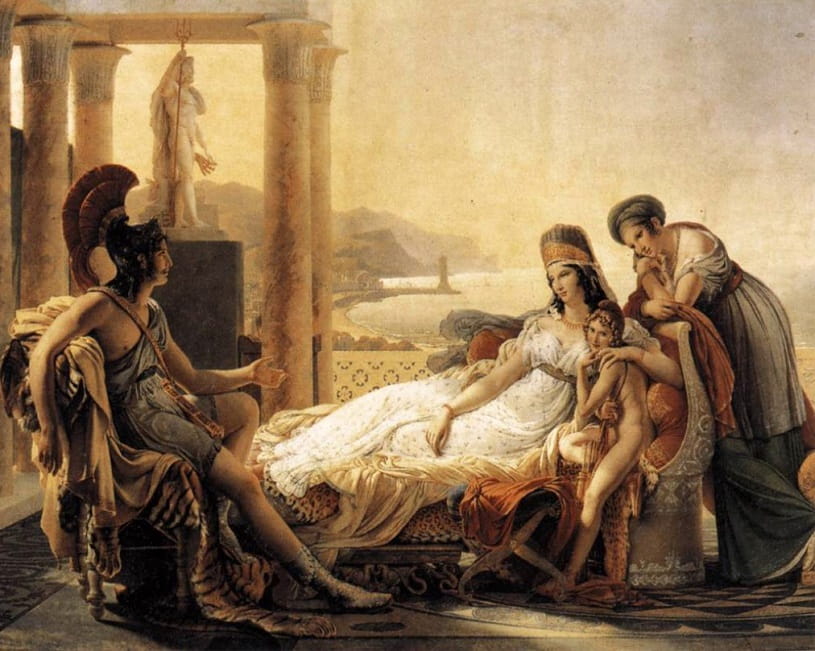
The Beauty of Neoclassical Painting
Neoclassical painting emerged in the late 18th century as a reaction against the extravagance and emotionalism of the preceding Baroque and Rococo styles. Inspired by the art and ideals of ancient Greece and Rome, neoclassical artists sought to revive the classical aesthetic characterized by clarity, order, and simplicity.
Neoclassical paintings often depict historical or mythological subjects, portraying scenes of heroism, virtue, and sacrifice. Artists such as Jacques-Louis David, Jean-Auguste-Dominique Ingres, and Angelica Kauffman were prominent figures in the neoclassical movement, known for their precise draftsmanship and idealized forms.
One of the defining features of neoclassical painting is its emphasis on composition and symmetry. Figures are carefully arranged within the frame, creating a sense of balance and harmony. The use of strong diagonals and geometric shapes adds a sense of dynamism to the compositions, drawing the viewer’s eye into the scene.
Neoclassical painters also paid close attention to detail and accuracy in their portrayal of anatomy, drapery, and architecture. The use of chiaroscuro (light and shadow) further enhanced the three-dimensionality of their subjects, giving them a sculptural quality.
Through their works, neoclassical artists aimed to convey moral lessons and inspire viewers with ideals of heroism, patriotism, and virtue. The style became closely associated with Enlightenment values of reason, order, and rationality.
Today, neoclassical painting continues to captivate audiences with its timeless beauty and classical themes. Its influence can be seen in various art forms across different periods, reflecting a lasting legacy that celebrates the enduring appeal of classical aesthetics.
Exploring Neoclassical Painting: Origins, Key Figures, Characteristics, Subjects, and Distinctions
- What is neoclassical painting?
- When did neoclassical painting emerge?
- Who were some prominent neoclassical painters?
- What are the key characteristics of neoclassical painting?
- What subjects are commonly depicted in neoclassical paintings?
- How did neoclassical painting differ from preceding art styles?
What is neoclassical painting?
Neoclassical painting is a artistic movement that emerged in the late 18th century as a response to the ornate and emotional styles of Baroque and Rococo art. Rooted in the revival of classical ideals from ancient Greece and Rome, neoclassical painting emphasizes clarity, order, and simplicity in its portrayal of historical or mythological subjects. Artists of this movement, such as Jacques-Louis David and Jean-Auguste-Dominique Ingres, sought to convey moral lessons and inspire viewers with depictions of heroism, virtue, and sacrifice. Characterized by precise draftsmanship, idealized forms, and a focus on composition and symmetry, neoclassical painting continues to be admired for its timeless beauty and enduring influence on art history.
When did neoclassical painting emerge?
Neoclassical painting emerged in the late 18th century as a response to the ornate and emotional styles of the Baroque and Rococo periods. Artists during this time sought to revive the classical ideals of ancient Greece and Rome, focusing on clarity, order, and simplicity in their work. The movement marked a shift towards rationality and moral values, with artists like Jacques-Louis David leading the way in creating iconic neoclassical masterpieces.
Who were some prominent neoclassical painters?
In the realm of neoclassical painting, several prominent artists have left an indelible mark on the art world with their exceptional talents and contributions. Among these notable figures are Jacques-Louis David, renowned for his powerful historical and revolutionary-themed works that embody the ideals of neoclassicism. Jean-Auguste-Dominique Ingres is another celebrated neoclassical painter known for his meticulous draftsmanship and elegant portrayals of mythological and historical subjects. Angelica Kauffman, a pioneering female artist of her time, also made significant strides in neoclassical art with her graceful compositions and allegorical themes. These artists, along with others, have helped shape the landscape of neoclassical painting and continue to inspire generations of art enthusiasts with their timeless creations.
What are the key characteristics of neoclassical painting?
Neoclassical painting is characterized by a revival of classical aesthetics inspired by ancient Greek and Roman art. Key characteristics of neoclassical painting include a focus on clarity, order, and simplicity in composition. Artists in this movement often depicted historical or mythological subjects with an emphasis on heroism, virtue, and sacrifice. The use of precise draftsmanship, idealized forms, and strong geometric shapes contribute to the sense of balance and harmony in neoclassical paintings. Attention to detail, accuracy in anatomy and drapery, as well as the skillful application of chiaroscuro to create depth and dimensionality are also notable features of neoclassical art. Overall, neoclassical painting conveys moral lessons and Enlightenment values through its disciplined approach to depicting classical themes.
What subjects are commonly depicted in neoclassical paintings?
In neoclassical painting, artists commonly depict subjects that draw inspiration from classical mythology, history, and literature. Scenes of heroic deeds, mythological narratives, and historical events are prevalent in neoclassical artworks. Figures such as gods and goddesses, ancient heroes, and allegorical representations of virtues are often portrayed with idealized forms and expressions. The emphasis on noble themes, moral lessons, and the glorification of classical ideals is a hallmark of neoclassical paintings, reflecting the artists’ admiration for the art and culture of ancient Greece and Rome.
How did neoclassical painting differ from preceding art styles?
Neoclassical painting differed significantly from preceding art styles in its deliberate departure from the ornate and emotional characteristics of Baroque and Rococo art movements. Instead, neoclassical artists sought inspiration from the ideals of ancient Greece and Rome, emphasizing clarity, order, and simplicity in their compositions. While Baroque and Rococo art focused on drama, movement, and lavish decoration, neoclassical painting favored precise draftsmanship, idealized forms, and a return to classical themes of heroism, virtue, and sacrifice. The neoclassical style’s emphasis on composition, symmetry, and moral storytelling marked a distinct shift towards rationality and intellectualism in art during the late 18th century.