The Art of Mandala Painting: A Spiritual Journey Through Symmetry and Color
Mandala painting is a sacred art form that has been practiced for centuries in various cultures around the world. The word “mandala” originates from Sanskrit, meaning “circle” or “discoid object.” These intricate geometric designs are not just beautiful artworks but also hold deep spiritual significance.
At the core of mandala painting is the concept of symmetry and balance. The circular shape represents the universe, with its intricate patterns symbolizing unity and harmony. Creating a mandala is a meditative process that requires focus, patience, and attention to detail.
Each element within a mandala holds symbolic meaning. From the colors used to the shapes and patterns incorporated, every aspect conveys a message or represents a particular aspect of life or spirituality. Mandalas can be used for meditation, healing, self-expression, and spiritual growth.
Traditionally, mandalas were created using sand by Tibetan monks as part of their spiritual practice. The impermanence of these sand mandalas serves as a reminder of the transient nature of life. In other cultures, mandalas are painted on various surfaces such as paper, canvas, or even walls.
The process of painting a mandala is both therapeutic and transformative. As artists immerse themselves in creating intricate patterns and designs, they enter a state of flow where time seems to stand still. The act of painting becomes a form of meditation, allowing for self-reflection and inner exploration.
Whether you are an artist looking to explore new creative avenues or someone seeking spiritual connection and inner peace, mandala painting offers a unique way to express yourself and connect with something greater than yourself. Through the art of mandala painting, you can embark on a spiritual journey that transcends boundaries and unites mind, body, and soul.
Exploring Mandala Painting: Meaning, Creation, Materials, and History
- What is mandala painting?
- What is the significance of mandala painting?
- How do you create a mandala painting?
- What materials are needed for mandala painting?
- What is the history of mandala painting?
What is mandala painting?
Mandala painting is a sacred and intricate art form that holds deep spiritual significance across various cultures. Derived from the Sanskrit word for “circle,” mandala painting involves creating elaborate geometric designs within a circular framework. These symbolic artworks represent unity, harmony, and the interconnectedness of the universe. Through meticulous patterns, shapes, and colors, mandalas convey profound meanings and serve as tools for meditation, healing, and self-expression. The process of creating a mandala is a meditative journey that requires focus, patience, and attention to detail, offering artists and viewers alike a transformative experience that transcends the physical realm.
What is the significance of mandala painting?
The significance of mandala painting lies in its symbolic representation of unity, harmony, and spiritual connection. Mandala paintings are not just intricate geometric designs but also powerful tools for meditation, healing, and self-discovery. Each element within a mandala carries deep meaning, reflecting aspects of life, the universe, and the human psyche. By creating or meditating on mandalas, individuals can explore their inner selves, achieve a sense of balance and tranquility, and connect with the universal energy that binds all living beings together. The process of engaging with mandala painting can lead to personal growth, mindfulness, and a deeper understanding of one’s place in the vast tapestry of existence.
How do you create a mandala painting?
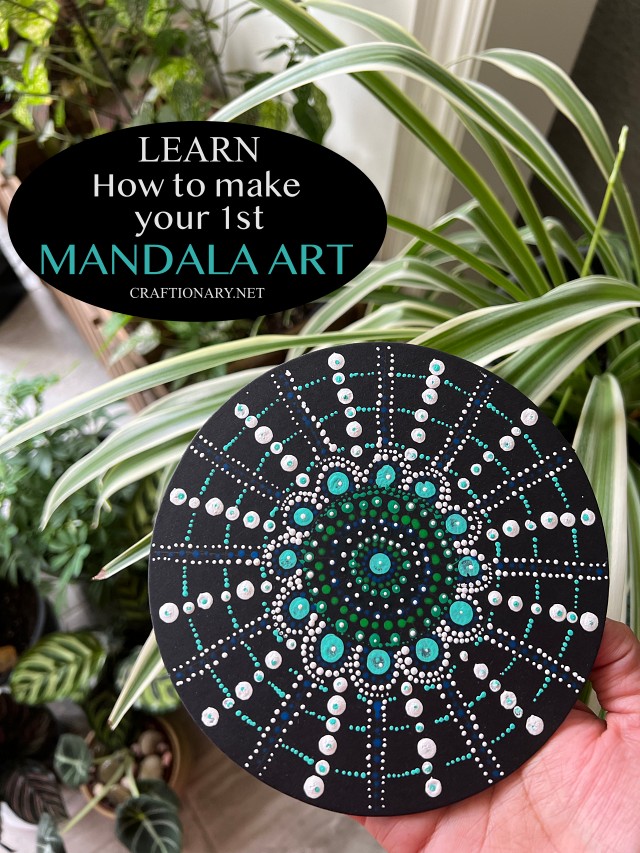
Creating a mandala painting is a deeply meditative and intricate process that requires attention to detail and a focused mind. To begin, one typically starts with a blank canvas or paper and draws a central point from which the geometric patterns will radiate outward. Artists then carefully sketch the symmetrical shapes and intricate designs that form the layers of the mandala. The choice of colors is crucial, as each hue carries its own symbolic meaning and significance. As the artist progresses, they add layers of detail, working from the center outwards to create a harmonious composition. The repetitive nature of creating mandala patterns can be both calming and therapeutic, inviting the artist to enter a state of flow where creativity flourishes. Through patience, practice, and dedication, artists can bring forth stunning mandala paintings that not only captivate the eye but also resonate with spiritual depth and meaning.
What materials are needed for mandala painting?
When embarking on a mandala painting project, it is essential to gather the right materials to bring your vision to life. The materials needed for mandala painting typically include fine-tip brushes for intricate details, acrylic or watercolor paints for vibrant colors, a compass or protractor for creating precise geometric shapes, a ruler for straight lines, and a pencil for sketching out the design before painting. Additionally, artists may use various surfaces such as paper, canvas, or wood to create their mandalas. By having these essential materials on hand, artists can delve into the intricate world of mandala painting with confidence and creativity.
What is the history of mandala painting?
The history of mandala painting dates back centuries and spans across various cultures, with roots in ancient spiritual practices and artistic traditions. Originating from Sanskrit, the word “mandala” signifies a sacred circle or geometric design that symbolizes the universe’s wholeness and unity. Mandalas have been used in Hinduism, Buddhism, and other belief systems as tools for meditation, healing, and spiritual growth. Tibetan monks are renowned for their intricate sand mandalas created as part of elaborate rituals to represent impermanence and interconnectedness. Over time, mandala painting has evolved into a diverse art form embraced by artists worldwide, blending tradition with contemporary expression to convey profound meanings through intricate patterns and vibrant colors.