The Art of Impasto Painting
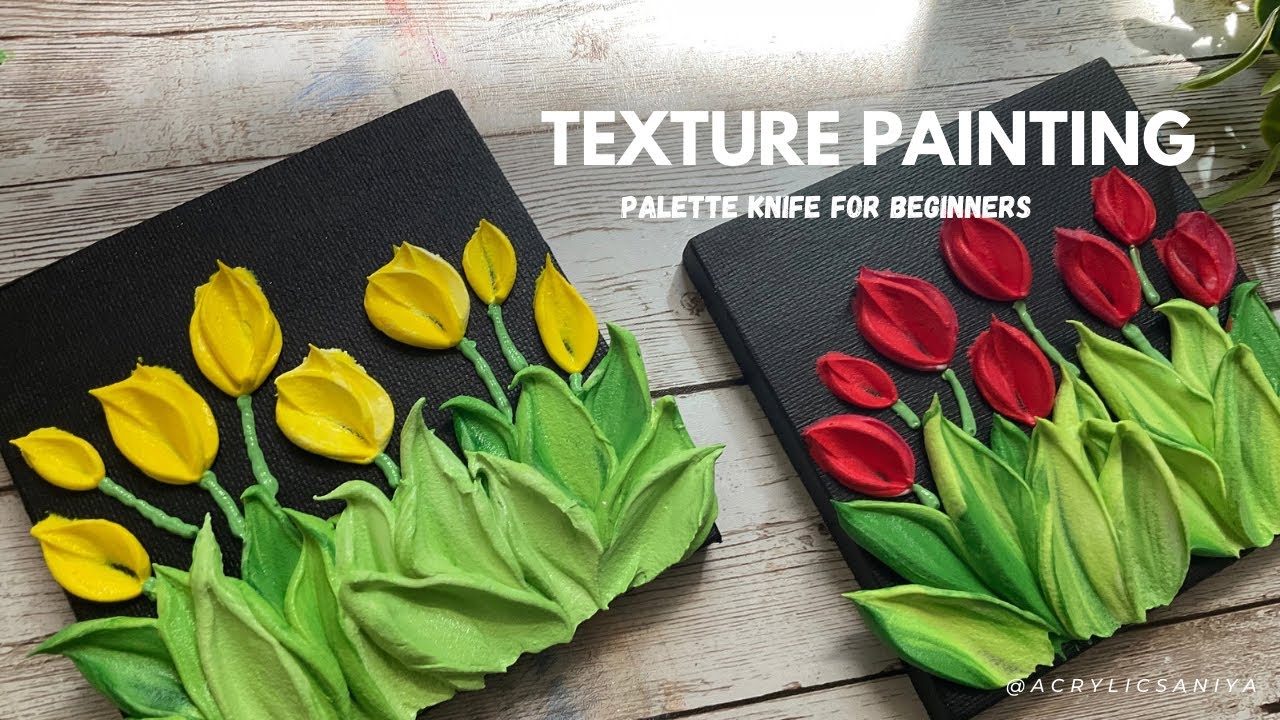
Impasto painting is a technique that involves applying thick layers of paint to create a textured and three-dimensional effect on the canvas. This method allows artists to add depth, richness, and dynamism to their artwork, resulting in visually striking pieces that capture the viewer’s attention.
One of the defining characteristics of impasto painting is the use of bold and expressive brushstrokes. Artists often use palette knives or brushes to apply paint in a way that creates visible ridges and peaks on the surface of the canvas. This deliberate manipulation of paint adds a tactile quality to the artwork, inviting viewers to not only see but also feel the texture.
Impasto painting has been utilized by renowned artists throughout history, including Vincent van Gogh, who was known for his bold and expressive use of impasto in works such as “Starry Night.” The technique allows artists to convey emotion and energy through their brushwork, creating a sense of movement and vitality in their paintings.
While impasto painting is often associated with oil paints due to their thick consistency, artists can also achieve similar effects using acrylics or other mediums. Experimenting with different tools and techniques allows artists to explore the possibilities of impasto painting and develop their unique style.
Whether used to create vibrant landscapes, expressive portraits, or abstract compositions, impasto painting offers artists a versatile and dynamic way to bring their creative vision to life. The tactile nature of impasto invites viewers to engage with the artwork on a sensory level, making each piece a truly immersive experience.
Next time you encounter an impasto painting, take a moment to appreciate the artist’s skillful manipulation of paint and the rich texture that brings the artwork to life.
Exploring the Benefits of Impasto Painting: Texture, Depth, and Dynamic Expression
- Creates a textured and three-dimensional effect on the canvas.
- Adds depth and richness to the artwork.
- Allows artists to express emotion and energy through bold brushstrokes.
- Invites viewers to engage with the artwork on a tactile level.
- Offers a versatile way to bring creative visions to life.
- Can be used with various mediums, including oils and acrylics.
- Enhances the visual impact of paintings, making them visually striking.
- Provides artists with a dynamic technique to explore different styles and techniques.
Challenges of Impasto Painting: Cost, Drying Time, Detail Work, Durability, Blending, and Handling
- Requires more paint than traditional painting techniques, leading to higher material costs.
- The thick layers of paint take longer to dry, prolonging the overall painting process.
- Creating intricate details can be challenging due to the texture created by impasto.
- The heavy texture of impasto paintings may make them susceptible to cracking over time.
- Difficulties in achieving smooth transitions and blending colors seamlessly with impasto technique.
- Storage and transportation of impasto paintings can be tricky due to the protruding texture.
Creates a textured and three-dimensional effect on the canvas.
Impasto painting’s ability to create a textured and three-dimensional effect on the canvas adds depth and visual interest to artworks. By applying thick layers of paint with bold brushstrokes or palette knives, artists can sculpt the surface of the canvas, giving their paintings a tactile quality that engages the viewer’s senses. The play of light and shadow on the raised areas of paint enhances the overall composition, bringing a dynamic and lively quality to the artwork. This unique technique not only adds physical dimension to the painting but also conveys a sense of energy and movement, making each piece a captivating visual experience.
Adds depth and richness to the artwork.
Impasto painting, with its characteristic thick layers of paint, offers a unique advantage by adding depth and richness to the artwork. The textured surface created through impasto technique allows light to interact with the paint in intriguing ways, enhancing the visual interest of the piece. This depth not only captivates the viewer’s eye but also adds a tactile quality that invites closer inspection. The interplay of light and shadow on the raised surfaces creates a sense of dimensionality, giving the artwork a dynamic and vibrant presence that sets it apart from traditional flat paintings.
Allows artists to express emotion and energy through bold brushstrokes.
Impasto painting offers artists a powerful means of expressing emotion and energy through the use of bold brushstrokes. By layering thick paint onto the canvas, artists can create dynamic textures that convey a sense of passion, movement, and intensity in their artwork. The visible ridges and peaks formed by the paint not only add depth and dimension but also evoke a tactile response from viewers, allowing them to feel the artist’s emotions through the physicality of the painting. This unique aspect of impasto painting enables artists to infuse their work with raw emotion and vitality, making each piece a compelling expression of their innermost feelings and creative energy.
Invites viewers to engage with the artwork on a tactile level.
Impasto painting, with its textured layers and raised surfaces created by thick applications of paint, invites viewers to engage with the artwork on a tactile level. The physical presence of the brushstrokes and ridges allows viewers to not only see the painting but also feel its surface, adding a sensory dimension to the viewing experience. This tactile interaction creates a deeper connection between the viewer and the artwork, enhancing appreciation for the artist’s technique and creativity.
Offers a versatile way to bring creative visions to life.
Impasto painting offers a versatile way to bring creative visions to life by allowing artists to experiment with texture, depth, and dimension on the canvas. The thick layers of paint applied in impasto technique provide a tactile quality that adds a dynamic element to the artwork, making it visually engaging and expressive. Artists can use impasto to create bold and dramatic effects, enhance the mood of their compositions, and convey emotion through the physicality of their brushstrokes. This flexibility in technique empowers artists to explore new avenues of artistic expression and bring their unique creative visions to fruition in a tangible and captivating manner.
Can be used with various mediums, including oils and acrylics.
Impasto painting offers artists the flexibility to work with a variety of mediums, including oils and acrylics, allowing them to explore different textures and effects in their artwork. Whether artists prefer the rich and creamy consistency of oil paints or the quick-drying properties of acrylics, impasto techniques can be adapted to suit their chosen medium, enabling them to create unique and visually captivating pieces that showcase the versatility of this expressive painting style.
Enhances the visual impact of paintings, making them visually striking.
Impasto painting enhances the visual impact of artworks by creating a textured and three-dimensional effect that makes them visually striking. The thick layers of paint applied in impasto technique add depth, richness, and dynamism to paintings, capturing the viewer’s attention and inviting them to explore the intricate details and tactile quality of the artwork. The bold and expressive brushstrokes characteristic of impasto painting contribute to the overall aesthetic appeal, infusing the artwork with energy and vibrancy that make it stand out and leave a lasting impression on viewers.
Provides artists with a dynamic technique to explore different styles and techniques.
Impasto painting provides artists with a dynamic technique that allows them to explore a wide range of styles and techniques. By manipulating thick layers of paint on the canvas, artists can experiment with texture, depth, and dimension in their artwork. This versatile approach enables artists to create bold and expressive pieces that showcase their creativity and individuality. Whether aiming for realism, abstraction, or somewhere in between, impasto painting offers a unique avenue for artists to push boundaries, innovate, and discover new possibilities in their artistic practice.
Requires more paint than traditional painting techniques, leading to higher material costs.
Impasto painting, while offering a unique and textured aesthetic, comes with the con of requiring a larger amount of paint compared to traditional painting techniques. This increased paint usage can result in higher material costs for artists, especially when working on larger pieces or using multiple layers to achieve the desired effect. The need for additional paint not only impacts the artist’s budget but also requires careful planning and consideration to ensure that the investment in materials aligns with the artistic vision. Despite this challenge, many artists find that the expressive and tactile qualities of impasto painting justify the increased material expenses as they strive to create impactful and visually engaging artworks.
The thick layers of paint take longer to dry, prolonging the overall painting process.
One drawback of impasto painting is that the thick layers of paint applied to create texture and depth take longer to dry compared to thinner layers. This extended drying time can significantly prolong the overall painting process, requiring artists to exercise patience and allow sufficient time for each layer to dry before adding additional layers or making adjustments. The slow drying process can impact the workflow of artists, potentially leading to delays in completing a piece or requiring them to work on multiple paintings simultaneously to optimize their time and productivity.
Creating intricate details can be challenging due to the texture created by impasto.
When working with impasto painting, artists may encounter a significant challenge when trying to create intricate details within their artwork. The thick texture created by impasto layers can make it difficult to achieve fine lines and delicate features, as the raised ridges and peaks of the paint can obscure intricate details. Artists must carefully consider their technique and tools to navigate this obstacle, finding ways to balance the expressive quality of impasto with the precision required for intricate elements in their composition. Despite this limitation, artists can explore alternative methods or incorporate mixed techniques to overcome the challenge and create visually captivating artworks that showcase both texture and detail in harmony.
The heavy texture of impasto paintings may make them susceptible to cracking over time.
The heavy texture of impasto paintings, while adding depth and visual interest to the artwork, can also present a significant drawback. Over time, the thick layers of paint in impasto paintings may dry unevenly or shrink, leading to cracks in the surface of the canvas. This susceptibility to cracking poses a challenge for artists who use impasto techniques, as it can affect the long-term durability and stability of their creations. Careful consideration and proper handling of impasto paintings are essential to minimize the risk of cracking and preserve the integrity of these textured artworks for years to come.
Difficulties in achieving smooth transitions and blending colors seamlessly with impasto technique.
When utilizing the impasto technique in painting, artists may encounter challenges in achieving smooth transitions and seamlessly blending colors due to the thick application of paint. The inherent texture created by impasto brushstrokes can make it difficult to achieve subtle gradients and soft transitions between colors. Artists must carefully consider their brushwork and layering techniques to maintain control over the paint’s thickness and texture while aiming for a cohesive and blended color palette. Despite these challenges, mastering the art of blending colors within impasto painting can result in unique and visually captivating artworks that showcase the artist’s skill and creativity.
Storage and transportation of impasto paintings can be tricky due to the protruding texture.
Storage and transportation of impasto paintings can present a challenge due to the protruding texture created by the thick layers of paint. The raised ridges and peaks on the canvas can be susceptible to damage if not handled with care, making it important to take precautions to protect the artwork during movement or storage. Specialized packaging and handling techniques may be required to ensure that the delicate texture of impasto paintings remains intact, highlighting the need for careful consideration when transporting or storing these unique and tactile artworks.