The Art of Sky Painting: Capturing Nature’s Beauty on Canvas
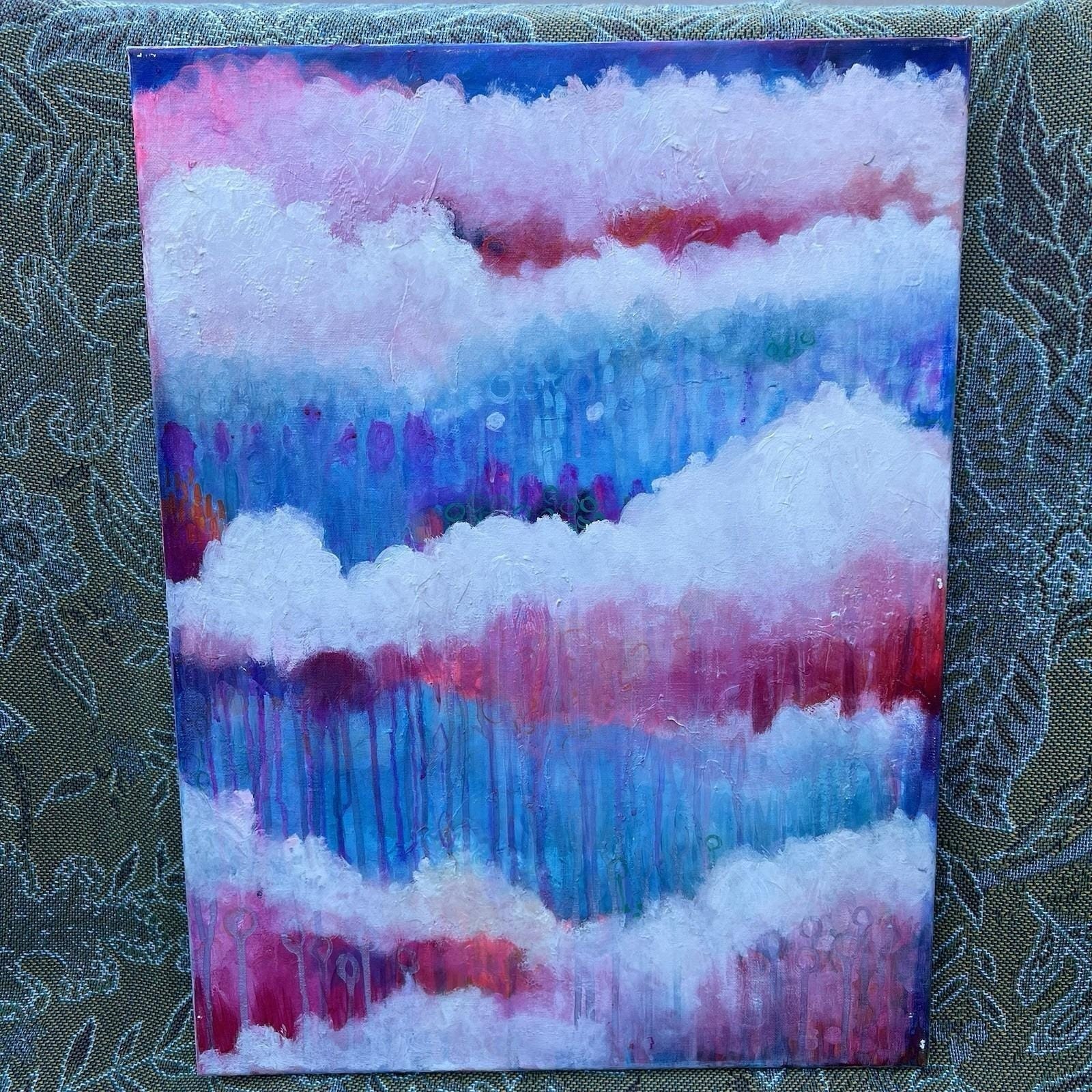
Painting the sky has been a timeless practice for artists seeking to capture the ethereal beauty and ever-changing moods of the heavens. From vibrant sunsets to dramatic storm clouds, the sky offers a limitless source of inspiration for painters around the world.
Expressing Emotions Through Color and Light
One of the most captivating aspects of sky painting is the ability to convey emotions through color and light. Artists use a myriad of hues – from soft pastels to bold primaries – to evoke feelings of serenity, awe, or even foreboding. The interplay of light and shadow in the sky creates a dynamic canvas that reflects the artist’s emotional response to nature’s spectacle.
Capturing Transient Moments
The sky is a canvas in constant motion, with clouds drifting, sunbeams breaking through, and colors shifting with the passage of time. Sky painters must work quickly to capture these transient moments before they vanish, infusing their artworks with a sense of immediacy and spontaneity. This sense of impermanence adds an element of excitement and vitality to sky paintings.
Symbolism and Metaphor
In addition to their aesthetic appeal, sky paintings often carry symbolic or metaphorical meanings. The vast expanse of the sky can represent freedom, infinity, or spirituality. A stormy sky may symbolize turmoil or inner conflict, while a clear blue sky can evoke feelings of peace and clarity. Artists use these symbolic associations to imbue their works with deeper layers of meaning.
Techniques and Styles
Sky painting encompasses a wide range of techniques and styles, from realistic depictions to abstract interpretations. Some artists focus on capturing precise details such as cloud formations or atmospheric effects, while others take a more impressionistic approach, using loose brushstrokes and bold colors to convey mood and emotion. Whatever the style, sky painting offers endless possibilities for artistic expression.
Conclusion
Whether it’s a fiery sunrise, a star-studded night sky, or an ominous thunderstorm brewing on the horizon, sky painting allows artists to celebrate nature’s grandeur and explore the boundless creativity of the heavens. By capturing these fleeting moments on canvas, artists bring a piece of the sky down to earth for all to admire and enjoy.
Mastering the Art of Sky Painting: Answers to 9 Common Questions
- What materials are commonly used for sky painting?
- How do artists capture the changing colors of the sky in their paintings?
- What techniques can artists use to create realistic cloud formations in sky paintings?
- Are there specific color palettes that work best for depicting different times of day in the sky?
- How can artists convey a sense of movement and dynamism in their sky paintings?
- Do artists often paint from observation or rely on imagination when creating sky scenes?
- Are there any famous artists known for their exceptional sky paintings throughout art history?
- Can beginners learn how to paint skies effectively, or is it a more advanced skill?
- What role does lighting play in creating a realistic and atmospheric sky painting?
What materials are commonly used for sky painting?
When it comes to sky painting, artists commonly use a variety of materials to capture the essence and beauty of the heavens. Traditional materials such as oil paints, acrylics, watercolors, and pastels are popular choices for creating stunning skyscapes. Each medium offers unique properties that allow artists to experiment with different textures, colors, and techniques to depict the ever-changing sky. Additionally, artists may use specialized brushes, palette knives, sponges, and blending tools to achieve desired effects such as soft clouds, vibrant sunsets, or subtle gradients in their sky paintings. The choice of materials plays a crucial role in bringing the sky to life on canvas and conveying the artist’s vision of nature’s awe-inspiring spectacle.
How do artists capture the changing colors of the sky in their paintings?
Capturing the changing colors of the sky in paintings is a skill that requires keen observation, a deep understanding of color theory, and mastery of painting techniques. Artists often rely on their ability to mix and blend colors to recreate the subtle shifts in hue and intensity that occur in the sky. By using a variety of brushes, blending tools, and layering techniques, artists can achieve the desired atmospheric effects and transitions between different shades. Additionally, studying the play of light and shadow in nature helps artists accurately depict the dynamic interplay of colors as they evolve during sunrise, sunset, or various weather conditions. Through practice and experimentation, artists develop their own unique methods for capturing the ephemeral beauty of the sky on canvas.
What techniques can artists use to create realistic cloud formations in sky paintings?
When it comes to creating realistic cloud formations in sky paintings, artists can employ various techniques to capture the intricacies of nature’s ever-changing canvas. One common method is to carefully observe and study real clouds in different lighting conditions to understand their shapes, textures, and movements. Artists often use a combination of blending, layering, and shading techniques with soft brushes to achieve a sense of depth and volume in their cloud formations. Additionally, employing subtle highlights and shadows can help create a three-dimensional effect, adding realism to the overall composition. Experimenting with different brush strokes and paint application methods allows artists to convey the dynamic and organic nature of clouds in the sky, bringing their paintings to life with authenticity and detail.
Are there specific color palettes that work best for depicting different times of day in the sky?
When it comes to depicting different times of day in the sky through painting, artists often consider specific color palettes to capture the essence of each moment. For instance, warm hues like oranges, reds, and yellows are commonly used to portray vibrant sunsets, while cool blues and purples may be employed to represent tranquil twilight scenes. Artists may experiment with blending these colors and incorporating subtle variations to convey the shifting light and atmosphere during sunrise, daytime, sunset, and nighttime. By carefully selecting color palettes that resonate with the mood and time of day they aim to depict, artists can effectively evoke the beauty and nuances of the sky in their paintings.
How can artists convey a sense of movement and dynamism in their sky paintings?
To convey a sense of movement and dynamism in their sky paintings, artists employ various techniques that capture the ever-changing nature of the sky. One effective method is to use dynamic brushstrokes and swirling patterns to suggest the movement of clouds or the shifting of light across the sky. Incorporating elements such as birds in flight or distant storms can also enhance the feeling of motion and energy in the painting. Additionally, artists may experiment with color gradients and contrasts to create a sense of depth and movement, allowing viewers to feel immersed in the atmospheric changes depicted on canvas. By skillfully incorporating these techniques, artists can bring a sense of life and vitality to their sky paintings, evoking a dynamic connection between the viewer and the natural world above.
Do artists often paint from observation or rely on imagination when creating sky scenes?
When it comes to painting sky scenes, artists often find a balance between observation and imagination in their creative process. Some artists prefer to paint from direct observation, closely studying the sky’s colors, shapes, and light patterns to capture its natural beauty with precision. On the other hand, many artists also rely on their imagination to interpret and enhance the sky’s elements, infusing their paintings with emotional depth and personal expression. By blending observational accuracy with imaginative interpretation, artists can create sky scenes that resonate with both realism and artistic vision, offering viewers a unique perspective on the wonders of the sky.
Are there any famous artists known for their exceptional sky paintings throughout art history?
Throughout art history, several renowned artists have gained recognition for their exceptional sky paintings that have left a lasting impact on the art world. One such artist is J.M.W. Turner, a British painter known for his mastery in capturing the atmospheric effects and luminous qualities of the sky in his landscapes. Turner’s expressive use of color and light in his sky paintings has inspired generations of artists and continues to be celebrated for its emotional depth and poetic beauty. Another notable artist is Vincent van Gogh, whose vivid and swirling depictions of the night sky, such as “Starry Night,” have become iconic symbols of artistic innovation and introspection. These artists, among others, have cemented their legacy through their remarkable interpretations of the sky in art.
Can beginners learn how to paint skies effectively, or is it a more advanced skill?
Learning how to paint skies effectively is a skill that beginners can certainly develop with practice and dedication. While capturing the nuances of the sky may seem daunting at first, beginners can start by observing the sky closely, studying its colors, textures, and movements. By experimenting with different techniques and gradually building their skills, beginners can learn to create realistic and expressive sky paintings. With patience and perseverance, even novice artists can master the art of painting skies and bring their creative visions to life on canvas.
What role does lighting play in creating a realistic and atmospheric sky painting?
Lighting plays a crucial role in creating a realistic and atmospheric sky painting. The interplay of light and shadow in the sky not only influences the colors and textures of the clouds but also sets the mood and ambiance of the scene. By carefully observing how light interacts with the sky at different times of day or under varying weather conditions, artists can capture the nuances of nature’s ever-changing light. The direction, intensity, and quality of light all contribute to the overall realism and depth of a sky painting, allowing artists to evoke a sense of drama, tranquility, or mystery in their compositions.