The Art of Sumi-e: A Timeless Japanese Ink Painting Tradition
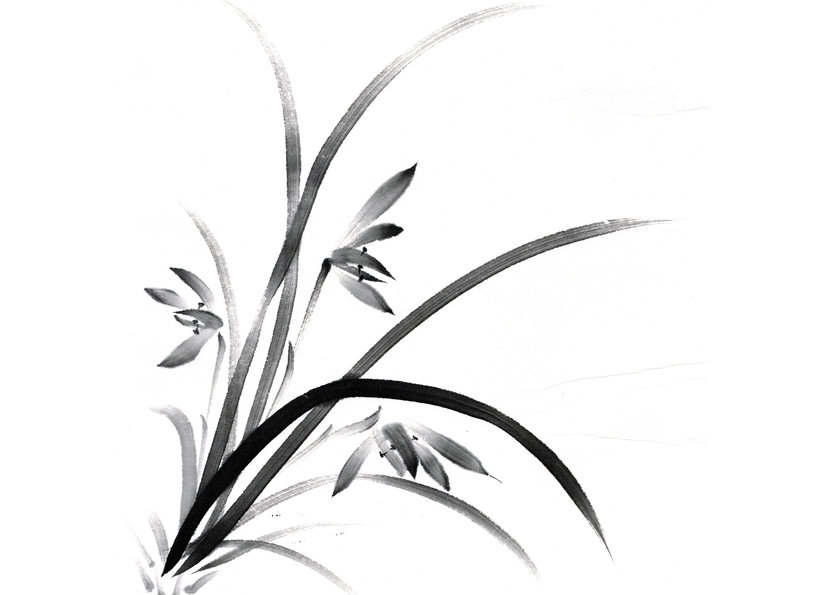
Sumi-e, also known as ink wash painting, is a traditional Japanese art form that dates back to ancient times. Rooted in Zen Buddhism and influenced by Chinese brush painting, sumi-e emphasizes simplicity, harmony, and spontaneity in capturing the essence of the subject.
Technique and Materials
In sumi-e, artists use a brush made of bamboo or animal hair to apply black ink on rice paper or silk. The strokes are bold and expressive, with varying degrees of thickness and intensity to create depth and texture. Artists often dilute the ink to achieve different shades of gray, allowing for a range of tonal values in their compositions.
Themes and Subjects
Nature plays a central role in sumi-e paintings, with subjects such as landscapes, flowers, birds, and animals being common motifs. Artists strive to capture the spirit or “chi” of the subject rather than focusing on realistic representation. By using minimal strokes and negative space, they evoke a sense of tranquility and balance in their compositions.
Philosophy and Aesthetics
Sumi-e embodies principles of mindfulness, impermanence, and simplicity. Artists approach each brushstroke with focus and intention, embracing imperfections as part of the creative process. The emphasis on empty space reflects the Zen concept of “mu” or nothingness, inviting viewers to contemplate the beauty in simplicity.
Legacy and Influence
Sumi-e has had a profound impact on various art forms beyond painting, including calligraphy, haiku poetry, and even contemporary design. Its timeless aesthetic continues to inspire artists around the world seeking to express themselves with grace and sensitivity.
Experience the elegance and serenity of sumi-e through its captivating brushwork and profound artistic philosophy.
Exploring the Benefits of Sumi-e: Simplicity, Mindfulness, and Artistic Expression
- 1. Emphasizes simplicity and minimalism in artistic expression.
- 2. Encourages mindfulness and focus through brushwork.
- 3. Captures the essence of subjects with expressive and bold strokes.
- 4. Fosters a sense of tranquility and harmony in compositions.
- 5. Allows for creative interpretation of nature and everyday life.
- 6. Reflects Zen philosophy through the use of negative space and imperfection.
- 7. Inspires artists to explore the beauty of impermanence and emptiness.
Challenges of Sumi-e: Mastering Technique, Material Limitations, and Artistic Interpretation
- Requires skill and practice to master the technique
- Limited color palette (typically black and shades of gray)
- Ink can be unforgiving – mistakes are difficult to correct
- Rice paper is delicate and prone to tearing or wrinkling
- Traditional tools and materials may be expensive or hard to find
- Interpreting subjects with simplicity may be challenging for some artists
1. Emphasizes simplicity and minimalism in artistic expression.
Sumi-e, the traditional Japanese ink wash painting, stands out for its profound emphasis on simplicity and minimalism in artistic expression. Through a few deliberate brushstrokes and judicious use of negative space, sumi-e artists capture the essence of their subjects with remarkable clarity and elegance. This focus on minimalism not only enhances the visual impact of the artwork but also invites viewers to appreciate the beauty found in simplicity, fostering a sense of tranquility and harmony that resonates deeply with the human spirit.
2. Encourages mindfulness and focus through brushwork.
Sumi-e, with its emphasis on mindfulness and focus through brushwork, offers a meditative experience for both the artist and the viewer. The deliberate strokes and careful consideration of each movement encourage a sense of presence and concentration, allowing practitioners to immerse themselves fully in the creative process. By cultivating a state of mindfulness while painting, artists can channel their thoughts and emotions into the artwork, resulting in pieces that reflect a deep sense of inner peace and harmony. Through the practice of sumi-e, individuals can enhance their ability to stay present in the moment and appreciate the beauty of simplicity in art and life.
3. Captures the essence of subjects with expressive and bold strokes.
Sumi-e excels in capturing the essence of subjects through its expressive and bold strokes. By using a limited number of carefully placed brushstrokes, sumi-e artists convey the spirit and vitality of their subjects with remarkable clarity and depth. Each stroke is imbued with intention and energy, allowing the viewer to connect with the essence of the subject on a profound level. This approach not only highlights the beauty and character of the subject but also evokes a sense of dynamism and emotion that transcends traditional representation.
4. Fosters a sense of tranquility and harmony in compositions.
Sumi-e, with its emphasis on fostering a sense of tranquility and harmony in compositions, offers a unique artistic experience that resonates deeply with both artists and viewers. Through the deliberate use of minimal strokes, negative space, and tonal values, sumi-e artists create compositions that exude a serene beauty and balance. This focus on capturing the essence of the subject rather than intricate details allows for a meditative quality in the artwork, inviting individuals to immerse themselves in a world of calmness and contemplation. The ability of sumi-e to evoke feelings of peace and harmony through its brushwork is truly captivating and speaks to the enduring allure of this traditional Japanese ink painting technique.
5. Allows for creative interpretation of nature and everyday life.
Sumi-e offers artists the opportunity to creatively interpret nature and everyday life through its expressive brushwork and minimalist aesthetic. By focusing on capturing the essence or spirit of the subject rather than realistic details, artists can infuse their own unique perspective and emotions into their paintings. This freedom of interpretation allows for a deeper connection with the natural world and a reflection of personal experiences, making each sumi-e artwork a window into the artist’s imagination and inner world.
6. Reflects Zen philosophy through the use of negative space and imperfection.
Sumi-e art beautifully reflects Zen philosophy by embracing the concept of negative space and imperfection. Through deliberate use of empty spaces within the composition, sumi-e artists convey a sense of balance, harmony, and tranquility. The intentional inclusion of imperfections in brushstrokes highlights the acceptance of life’s transience and the beauty found in flaws. This approach not only adds depth and character to the artwork but also encourages viewers to contemplate the interconnectedness of existence and appreciate the inherent simplicity and elegance present in every moment.
7. Inspires artists to explore the beauty of impermanence and emptiness.
Sumi-e, with its emphasis on impermanence and emptiness, serves as a profound source of inspiration for artists seeking to explore the transient nature of life and the beauty found in simplicity. Through the delicate brushstrokes and use of negative space, sumi-e encourages artists to embrace imperfections and appreciate the fleeting moments that make up our existence. By capturing the essence of impermanence and emptiness in their artworks, artists are able to evoke a sense of contemplation and introspection, inviting viewers to reflect on the profound interconnectedness between life, art, and the ever-changing world around us.
Requires skill and practice to master the technique
Mastering the technique of sumi-e requires dedication, patience, and a deep commitment to honing one’s skills. The precise brushwork, control of ink intensity, and understanding of composition demand a high level of proficiency that can only be achieved through consistent practice and study. Artists aspiring to excel in sumi-e must embrace the challenges posed by this con, knowing that the journey towards mastery is as rewarding as the final artwork itself.
Limited color palette (typically black and shades of gray)
In sumi-e, one of the notable cons is the limited color palette, which usually consists of black ink and various shades of gray. This constraint can be seen as a challenge for artists who are accustomed to working with a wider range of colors in other painting styles. However, the monochromatic nature of sumi-e encourages artists to focus on the interplay of light and shadow, texture, and brushwork to convey depth and emotion in their compositions. Despite the restriction on color, sumi-e artists find creative ways to evoke mood and atmosphere through subtle variations in tone and contrast, showcasing the beauty of simplicity and restraint in their artwork.
Ink can be unforgiving – mistakes are difficult to correct
In the art of sumi-e, one notable challenge is the unforgiving nature of ink, making mistakes difficult to correct. Due to the quick-drying nature and permanence of ink on absorbent surfaces like rice paper, artists must approach each brushstroke with precision and confidence. Any unintended mark or misplaced stroke becomes a part of the composition, requiring artists to embrace imperfections as integral to the artwork’s unique character. This aspect of sumi-e encourages mindfulness and adaptability, as artists learn to work with spontaneity while accepting and incorporating unexpected outcomes into their creative process.
Rice paper is delicate and prone to tearing or wrinkling
Rice paper, a fundamental element in the practice of sumi-e, poses a significant challenge due to its delicate nature, making it prone to tearing or wrinkling with even the slightest pressure from the brush. Artists must exercise great care and precision in their strokes to avoid damaging the paper and disrupting the flow of their compositions. The fragility of rice paper adds an additional layer of complexity to the art of sumi-e, requiring artists to master not only brush techniques but also the subtleties of handling this sensitive material to achieve desired results.
Traditional tools and materials may be expensive or hard to find
Traditional tools and materials used in sumi-e painting, such as high-quality brushes, ink sticks, and rice paper, can be expensive and challenging to source, especially for beginners or artists outside of Japan. The craftsmanship and authenticity of these materials play a crucial role in achieving the desired aesthetic and technique in sumi-e. While modern alternatives exist, purists may find it difficult to replicate the same level of precision and traditional charm without access to the original tools. Despite this con, the investment in quality materials is often seen as a worthwhile pursuit for those dedicated to mastering the art of sumi-e and preserving its rich heritage.
Interpreting subjects with simplicity may be challenging for some artists
Interpreting subjects with simplicity in sumi-e painting can pose a challenge for artists accustomed to detailed and intricate styles. The art of conveying depth, emotion, and essence through minimal brushstrokes requires a keen eye for composition and a deep understanding of negative space. For some artists, embracing the concept of less is more may require a shift in mindset and approach, as they navigate the delicate balance between capturing the spirit of the subject and avoiding overworking the painting. However, mastering the art of simplicity in sumi-e can lead to a profound artistic growth and a deeper appreciation for the beauty found in minimalism.