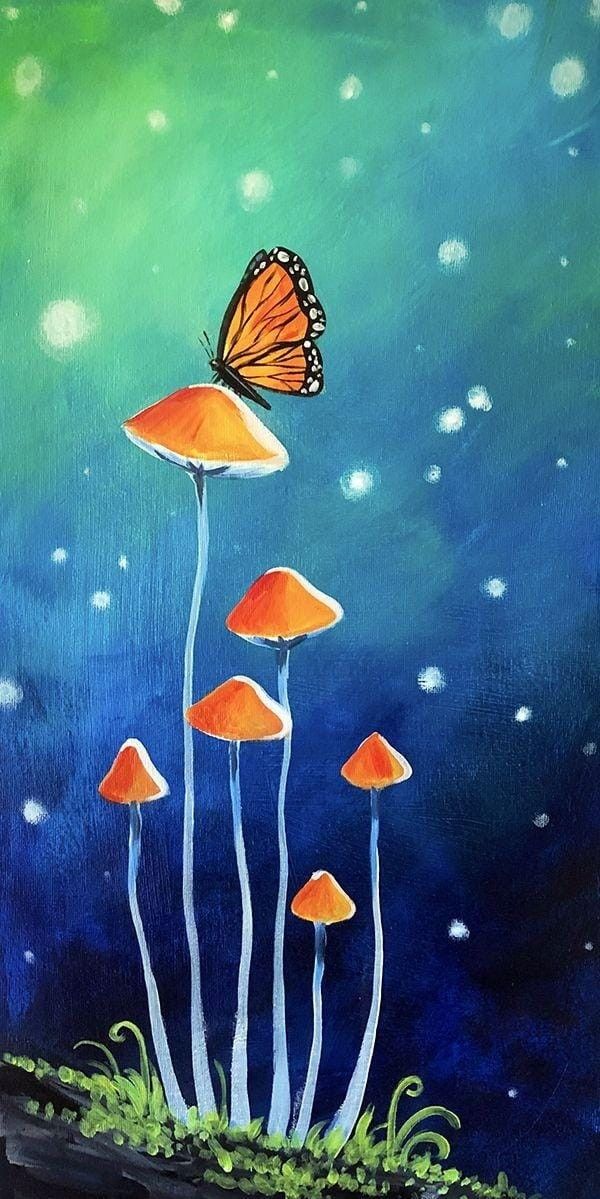
The Art of Cartoon Painting: Bringing Imagination to Life
Cartoon painting is a unique form of art that brings imagination to life through vibrant colors, exaggerated features, and whimsical characters. From classic animated cartoons to modern graphic novels, cartoon painting has evolved into a diverse and captivating art form that appeals to audiences of all ages.
History and Evolution
The history of cartoon painting dates back centuries, with early examples found in ancient cave paintings and medieval manuscripts. However, it wasn’t until the 19th century that cartoons as we know them today began to take shape, thanks to the rise of newspapers and comic strips.
Cartoon painting gained popularity in the 20th century with the emergence of animated films and television shows. Artists like Walt Disney and Chuck Jones revolutionized the art form, introducing iconic characters such as Mickey Mouse and Bugs Bunny that continue to capture hearts worldwide.
Techniques and Styles
Cartoon painting encompasses a wide range of techniques and styles, from traditional hand-drawn animations to digital illustrations. Artists use bold lines, exaggerated proportions, and expressive facial expressions to create dynamic and engaging characters that resonate with audiences.
Whether it’s the intricate details of a comic book superhero or the playful charm of a Saturday morning cartoon character, each cartoon painting is a testament to the artist’s creativity and skill in bringing imaginary worlds to life on canvas or screen.
Impact and Influence
Cartoon painting has had a significant impact on popular culture, influencing fashion, design, advertising, and more. Characters like SpongeBob SquarePants and Hello Kitty have become global icons, transcending language barriers and inspiring generations of fans around the world.
Through its ability to evoke laughter, convey emotions, and convey complex narratives in a simple yet profound way, cartoon painting continues to captivate audiences young and old alike. Its enduring appeal lies in its ability to spark imagination, foster creativity, and bring joy to people’s lives through the power of art.
9 Essential Tips for Mastering Cartoon Painting: From Sketch to Creative Expression
- Start with a rough sketch to plan out the composition
- Use light pencil strokes for the initial drawing to allow for easy corrections
- Experiment with different colors and shading techniques to add depth
- Pay attention to proportions and anatomy for more realistic characters
- Practice drawing facial expressions and body language to convey emotions
- Add details like shadows, highlights, and textures to enhance the artwork
- Consider using reference images for inspiration and guidance
- Don’t be afraid to make mistakes – they are part of the learning process
- Have fun and let your creativity shine through in your cartoon paintings
Start with a rough sketch to plan out the composition
When delving into the art of cartoon painting, a valuable tip to keep in mind is to begin by creating a rough sketch to plan out the composition. This initial step allows artists to map out the placement of characters, objects, and elements within the artwork, ensuring a cohesive and visually appealing design. By establishing a solid foundation through a rough sketch, artists can better visualize their ideas, refine the composition, and bring their imaginative creations to life with clarity and precision.
Use light pencil strokes for the initial drawing to allow for easy corrections
When engaging in cartoon painting, it is advisable to utilize light pencil strokes during the initial drawing phase. This approach enables artists to make easy corrections and adjustments as they refine the outlines and shapes of their characters. By starting with gentle pencil marks, creators have the flexibility to experiment with different compositions and details before committing to more defined lines. This technique not only facilitates precision in the artwork but also promotes a fluid and iterative creative process that can lead to more polished and expressive cartoon paintings.
Experiment with different colors and shading techniques to add depth
To enhance the visual impact of your cartoon paintings, consider experimenting with a variety of colors and shading techniques. By incorporating a diverse color palette and exploring different shading methods, you can add depth and dimension to your artwork. Play with light and shadow to create a sense of realism or exaggerate features for a more whimsical effect. By pushing the boundaries of color and shading, you can bring your characters to life and make them truly stand out on the canvas.
Pay attention to proportions and anatomy for more realistic characters
When creating cartoon paintings, paying attention to proportions and anatomy is crucial for achieving more realistic characters. By understanding the basic principles of human anatomy and applying them to your cartoon characters, you can create figures that are visually convincing and relatable to the viewer. Proper proportions help establish a sense of balance and harmony in your artwork, enhancing the overall appeal and believability of your characters. Mastering this aspect of cartoon painting allows artists to infuse their creations with a sense of life and depth, making them more engaging and memorable to the audience.
Practice drawing facial expressions and body language to convey emotions
To excel in cartoon painting, it is crucial to practice drawing facial expressions and body language to effectively convey emotions. Mastering the art of capturing subtle nuances in expressions and gestures can breathe life into characters, making them relatable and engaging to the audience. By honing these skills, artists can create dynamic narratives that resonate with viewers on a deeper emotional level, adding depth and authenticity to their artwork.
Add details like shadows, highlights, and textures to enhance the artwork
Adding details such as shadows, highlights, and textures to cartoon paintings can significantly enhance the artwork by adding depth, dimension, and visual interest. Shadows create the illusion of light and form, giving characters and objects a sense of volume and realism. Highlights add sparkle and dimension, making certain areas pop and catch the viewer’s eye. Textures bring tactile quality to the artwork, making surfaces look more realistic and inviting. By incorporating these details thoughtfully, artists can elevate their cartoon paintings from flat images to dynamic creations that captivate viewers with their richness and complexity.
Consider using reference images for inspiration and guidance
When delving into the world of cartoon painting, it is beneficial to consider using reference images for inspiration and guidance. Reference images can serve as a valuable tool to help artists visualize proportions, expressions, and intricate details in their artwork. By studying different sources of inspiration, artists can enhance their creativity and refine their techniques to bring their cartoon characters to life with authenticity and depth. Embracing reference images allows artists to explore new ideas, experiment with styles, and elevate the quality of their cartoon paintings.
Don’t be afraid to make mistakes – they are part of the learning process
When delving into the realm of cartoon painting, it is crucial to embrace a mindset that welcomes mistakes as integral components of the learning journey. By not fearing errors and instead viewing them as valuable lessons, aspiring artists can refine their skills, experiment with new techniques, and ultimately grow in proficiency. Each mistake serves as an opportunity for reflection, adaptation, and improvement, guiding artists towards honing their craft and achieving greater artistic mastery in the captivating world of cartoon painting.
Have fun and let your creativity shine through in your cartoon paintings
When engaging in cartoon painting, it is essential to embrace the spirit of fun and allow your creativity to shine through in your artwork. By infusing your paintings with joy and imagination, you can create whimsical characters and vibrant scenes that resonate with viewers. Letting go of constraints and exploring new ideas can lead to unexpected and delightful outcomes in your cartoon paintings. Embrace the process with enthusiasm, and watch as your unique artistic voice shines brightly through each stroke of the brush.