
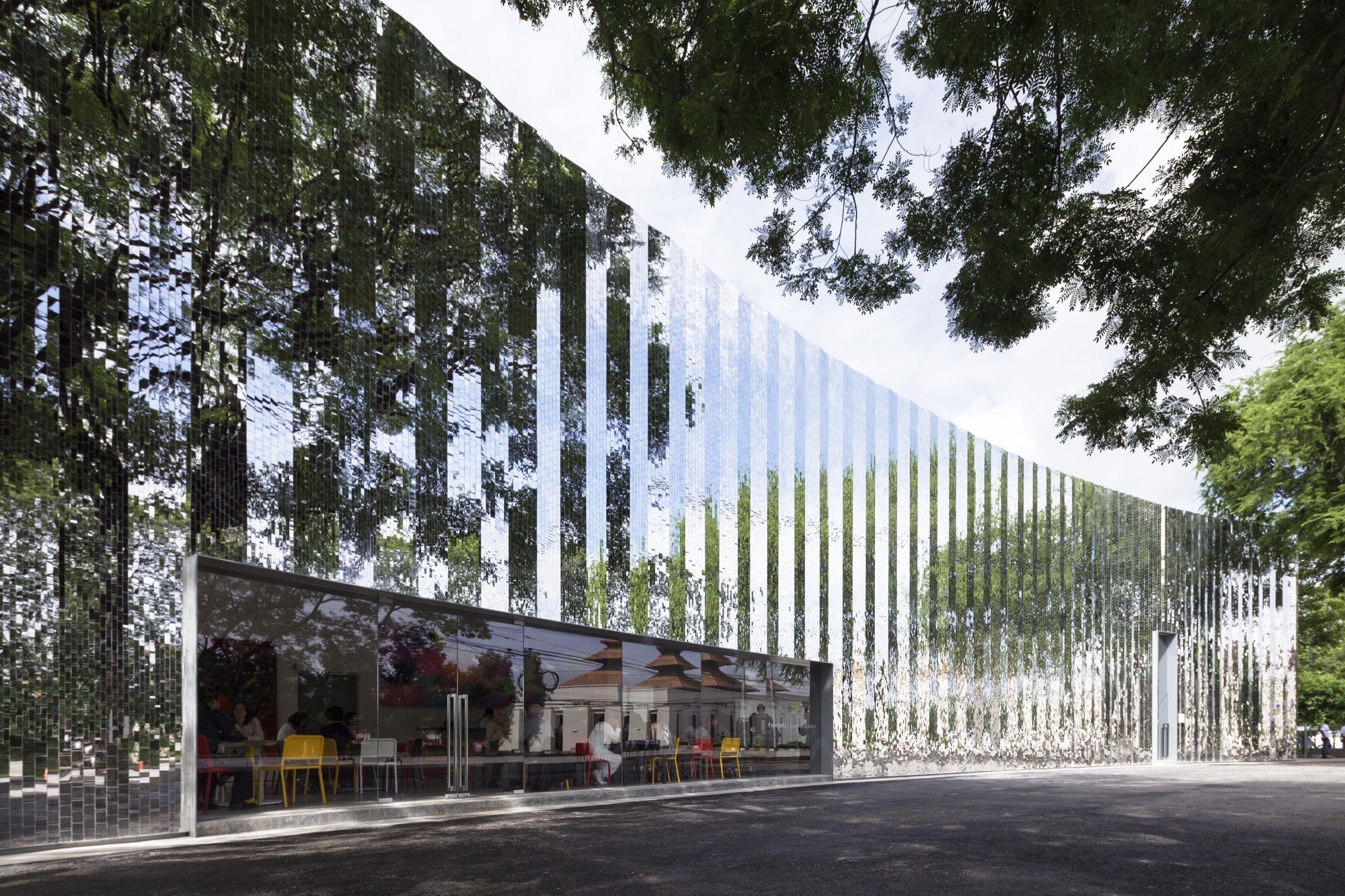
The Evolution of Contemporary Art Museums
In today’s dynamic art world, contemporary art museums play a pivotal role in showcasing cutting-edge artistic expressions and fostering cultural dialogue. These institutions have evolved significantly over the years, adapting to the changing landscape of contemporary art and embracing diverse forms of creativity.
Embracing Diversity and Innovation
Contemporary art museums have become vibrant hubs that celebrate diversity and innovation in artistic practices. They provide a platform for emerging artists to experiment with new ideas, pushing boundaries and challenging conventional norms. By showcasing a wide range of mediums, from painting and sculpture to video installations and performance art, these museums offer visitors a multifaceted experience that reflects the complexity of contemporary society.
Engaging the Community
One of the key functions of contemporary art museums is to engage with the local community and beyond. Through educational programs, workshops, artist talks, and interactive exhibits, these institutions strive to make art accessible to a wider audience. By fostering a sense of inclusivity and participation, they create spaces where people can connect with art on a personal level and explore its relevance to their lives.
Pushing Boundaries and Provoking Thought
Contemporary art museums are known for their boldness in pushing boundaries and provoking thought. They often present works that challenge societal norms, spark debate, and inspire critical reflection. By encouraging visitors to question their assumptions and explore new perspectives, these museums foster a culture of intellectual curiosity and open-mindedness.
A Global Platform for Artistic Expression
With the rise of globalization, contemporary art museums have become increasingly interconnected on a global scale. They collaborate with artists from around the world, curate international exhibitions, and participate in cultural exchanges that transcend geographical boundaries. This interconnectedness not only enriches the artistic discourse but also promotes cross-cultural understanding and appreciation.
Looking Towards the Future
As we move into an increasingly digital age, contemporary art museums are exploring new ways to engage with audiences online through virtual exhibitions, digital archives, and interactive platforms. By embracing technology while staying true to their mission of promoting artistic excellence and cultural diversity, these institutions are poised to continue shaping the future of contemporary art for generations to come.
Exploring Contemporary Art: A Hub for Innovation, Diversity, and Community Engagement
- Showcases cutting-edge artistic expressions
- Celebrates diversity and innovation in art
- Engages with the local community through educational programs
- Provokes thought and challenges societal norms
- Fosters inclusivity and participation in art appreciation
- Provides a platform for emerging artists to experiment
- Promotes cross-cultural understanding through global collaborations
Challenges and Criticisms of Contemporary Art Museums: Accessibility, Appeal, and Interpretation
- Some contemporary art can be challenging or difficult to understand for the general public.
- Contemporary art museums may prioritize experimental and avant-garde works, which may not appeal to all visitors.
- Entry fees for contemporary art museums can be expensive, limiting access for some individuals.
- The rapid turnover of exhibitions in contemporary art museums can make it difficult for visitors to see all the artworks on display.
- Contemporary art museums may lack traditional masterpieces that are more familiar to the general public.
- The interpretation of contemporary artworks can vary widely, leading to confusion or misinterpretation among visitors.
- Contemporary art museums often face criticism for being elitist or disconnected from mainstream culture.
Showcases cutting-edge artistic expressions
Contemporary art museums excel in showcasing cutting-edge artistic expressions that push the boundaries of traditional art forms. By featuring works that challenge conventional norms and explore innovative techniques, these museums provide a platform for artists to experiment, evolve, and redefine the artistic landscape. Through their commitment to highlighting the latest trends and emerging talents, contemporary art museums play a crucial role in shaping the direction of contemporary art and fostering a culture of creativity and experimentation.
Celebrates diversity and innovation in art
Contemporary art museums serve as vibrant spaces that celebrate the rich diversity and innovation present in the world of art. By showcasing a wide array of artistic expressions from various cultures, backgrounds, and perspectives, these museums highlight the beauty of diversity and the power of creativity to transcend boundaries. Through exhibitions, installations, and programs that embrace new ideas and experimental approaches, contemporary art museums foster a dynamic environment where artists can push the boundaries of traditional art forms and challenge societal norms. This celebration of diversity and innovation not only enriches the artistic landscape but also promotes cultural understanding and appreciation among visitors from all walks of life.
Engages with the local community through educational programs
Contemporary art museums stand out for their proactive engagement with the local community through a variety of educational programs. By offering workshops, artist talks, and interactive exhibits, these museums create meaningful opportunities for individuals to connect with art in a more personal and accessible way. Through these initiatives, community members are not only able to deepen their understanding of contemporary art but also develop a sense of ownership and pride in the cultural offerings of their region. Such educational programs foster a sense of inclusivity and collaboration, enriching the local cultural landscape and nurturing a vibrant artistic community.
Provokes thought and challenges societal norms
Contemporary art museums serve as platforms that provoke thought and challenge societal norms through their exhibitions and programs. By showcasing artworks that push boundaries and spark critical discourse, these institutions encourage visitors to question established beliefs, explore new perspectives, and engage in meaningful conversations about pressing social issues. Through the power of art, contemporary art museums play a vital role in promoting intellectual curiosity, fostering cultural dialogue, and inspiring positive change in society.
Fosters inclusivity and participation in art appreciation
Contemporary art museums excel in fostering inclusivity and encouraging active participation in the appreciation of art. By offering diverse and engaging exhibitions, educational programs, and interactive experiences, these museums create welcoming spaces where individuals from all backgrounds can connect with art on a personal level. Through initiatives that promote accessibility and community engagement, contemporary art museums empower visitors to explore their creativity, broaden their perspectives, and develop a deeper appreciation for the transformative power of artistic expression.
Provides a platform for emerging artists to experiment
Contemporary art museums serve as invaluable platforms for emerging artists to experiment and explore new creative horizons. By offering opportunities for these artists to showcase their innovative ideas and unconventional approaches, these museums foster a culture of artistic risk-taking and exploration. Through exhibitions, residencies, and collaborative projects, emerging artists can push the boundaries of traditional art forms, challenge established norms, and make their mark on the contemporary art scene. This supportive environment not only nurtures talent but also encourages fresh perspectives and diverse voices to contribute to the ever-evolving landscape of contemporary art.
Promotes cross-cultural understanding through global collaborations
Contemporary art museums serve as vital platforms for promoting cross-cultural understanding through their global collaborations with artists from diverse backgrounds. By facilitating international partnerships and exchanges, these museums create opportunities for cultural exchange and dialogue, fostering a deeper appreciation of different artistic traditions and perspectives. Through collaborative projects and exhibitions that span continents, contemporary art museums bridge cultural divides, celebrate diversity, and highlight the universal language of art that transcends borders. This proactively contributes to building a more interconnected and empathetic global community through the power of artistic expression.
Some contemporary art can be challenging or difficult to understand for the general public.
Contemporary art museums face the challenge of presenting artworks that can be perceived as challenging or difficult to understand by the general public. The avant-garde nature of some contemporary art pieces, characterized by unconventional techniques, abstract concepts, and provocative themes, may alienate viewers who are not familiar with contemporary art practices. This con underscores the importance of providing educational resources and interpretive tools within museums to bridge the gap between artists’ intentions and audience comprehension, fostering a deeper appreciation and engagement with challenging artworks.
Contemporary art museums may prioritize experimental and avant-garde works, which may not appeal to all visitors.
Contemporary art museums, while celebrated for their commitment to showcasing experimental and avant-garde works, may encounter a con in that these artistic expressions may not resonate with all visitors. The challenging and unconventional nature of some contemporary artworks can be polarizing, potentially alienating those who prefer more traditional or easily accessible forms of art. This emphasis on pushing boundaries and exploring new artistic frontiers may lead to a disconnect between the museum’s offerings and the preferences of certain audiences, highlighting the delicate balance between innovation and audience engagement in the realm of contemporary art.
Entry fees for contemporary art museums can be expensive, limiting access for some individuals.
One notable downside of contemporary art museums is the issue of expensive entry fees, which can serve as a barrier to access for certain individuals. The high cost of admission may deter art enthusiasts, students, and individuals from lower-income backgrounds from experiencing the diverse and thought-provoking exhibitions that these museums offer. This financial hurdle not only limits cultural enrichment opportunities for those with limited resources but also hinders the overall goal of promoting inclusivity and diversity within the art community. Efforts to address this challenge, such as offering discounted or free admission days, can help make contemporary art more accessible to a wider audience and ensure that artistic experiences are not restricted by financial constraints.
The rapid turnover of exhibitions in contemporary art museums can make it difficult for visitors to see all the artworks on display.
The rapid turnover of exhibitions in contemporary art museums poses a challenge for visitors to fully engage with all the artworks on display. With new exhibitions frequently replacing existing ones, visitors may feel pressured to navigate through the museum quickly to ensure they don’t miss out on any pieces. This fast-paced cycle can hinder the opportunity for deeper exploration and contemplation of individual artworks, limiting the overall experience and appreciation of the diverse creative expressions showcased within the museum’s walls.
Contemporary art museums may lack traditional masterpieces that are more familiar to the general public.
Contemporary art museums, while at the forefront of showcasing innovative and cutting-edge artistic expressions, may face the con of lacking traditional masterpieces that are more familiar to the general public. Unlike traditional art museums that house renowned works by classical artists, contemporary art museums often prioritize modern and experimental artworks that may not have the same level of recognition among a broader audience. This absence of familiar masterpieces can sometimes create a barrier for visitors who are more accustomed to conventional art forms, potentially leading to a disconnect or difficulty in engaging with the contemporary art on display. Nonetheless, this challenge also presents an opportunity for contemporary art museums to educate and expose audiences to new artistic perspectives and foster a deeper appreciation for the evolving landscape of art.
The interpretation of contemporary artworks can vary widely, leading to confusion or misinterpretation among visitors.
The interpretation of contemporary artworks in museums can often vary widely among visitors, which may result in confusion or misinterpretation. Due to the abstract and sometimes unconventional nature of contemporary art, individuals may perceive and understand artworks differently based on their personal experiences, perspectives, and cultural backgrounds. This diversity in interpretation can lead to misunderstandings or miscommunication about the intended meaning or message behind the artwork, potentially hindering a deeper appreciation and connection with the artist’s creative vision. Addressing this con requires museums to provide context, education, and guidance to help visitors navigate and engage with contemporary art more meaningfully.
Contemporary art museums often face criticism for being elitist or disconnected from mainstream culture.
Contemporary art museums often encounter criticism for being perceived as elitist or disconnected from mainstream culture. Some argue that the avant-garde nature of the artworks showcased in these institutions can be challenging for the general public to understand and appreciate. The exclusivity of certain art circles and the emphasis on conceptual art forms may create a barrier for broader audiences to engage with contemporary art. Critics point out that this perceived elitism can alienate individuals who feel disconnected from the art world, leading to a lack of diversity in museum visitors and limiting the accessibility of contemporary art to a wider demographic. Addressing these concerns is crucial for contemporary art museums to bridge the gap between artistic innovation and societal relevance, fostering a more inclusive and engaging cultural experience for all.



Wonderful blog! I found it while searching on Yahoo News.
Do you have any tips on how to get listed in Yahoo News?
I’ve been trying for a while but I never seem to get there!
Cheers