The Fascinating World of Kinetic Sculpture
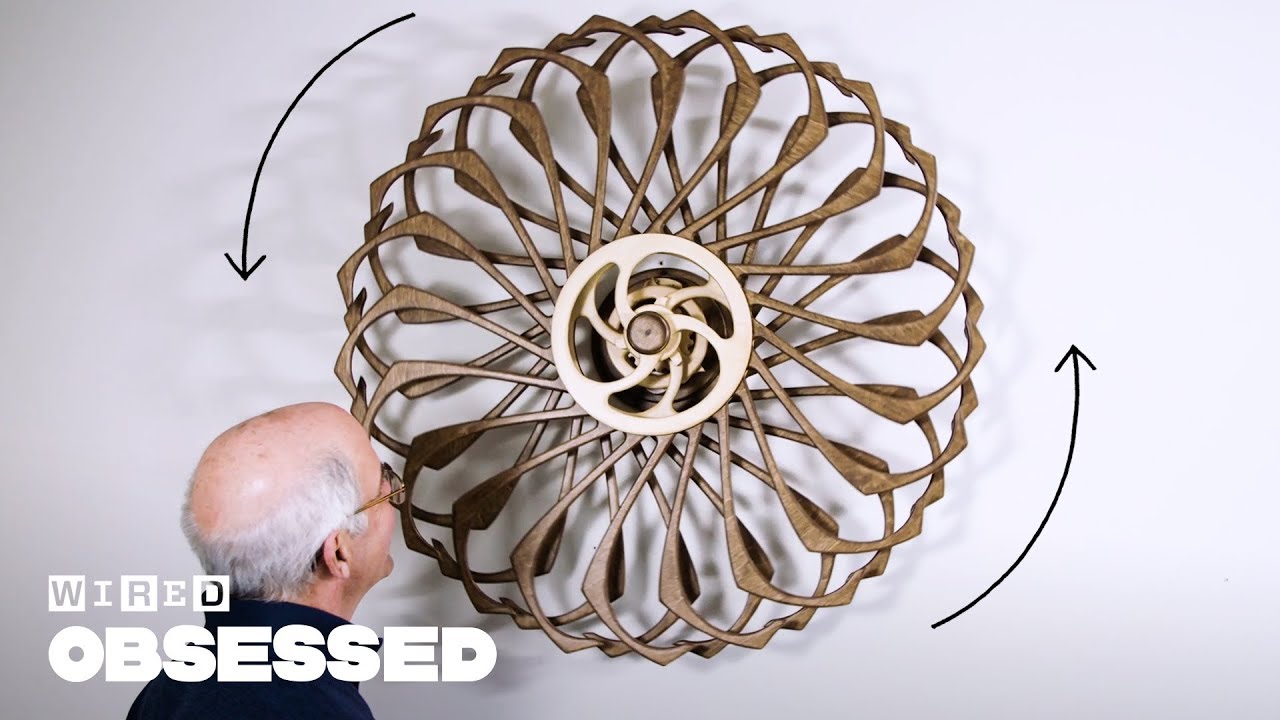
Kinetic sculpture is a dynamic art form that captivates viewers with its moving parts and interactive elements. Unlike traditional static sculptures, kinetic sculptures come to life through motion, creating a mesmerizing experience for audiences of all ages.
History and Evolution
The roots of kinetic sculpture can be traced back to the early 20th century when artists started experimenting with movement in their artworks. Artists like Alexander Calder and Naum Gabo were pioneers in this field, exploring the possibilities of incorporating motion into their sculptures.
Over the years, kinetic sculpture has evolved into a diverse and innovative art form, with artists using a wide range of materials and techniques to create dynamic and engaging pieces. From simple mechanical movements to complex electronic systems, kinetic sculpture continues to push the boundaries of creativity and imagination.
Themes and Concepts
Kinetic sculptures often explore themes related to nature, technology, and human interaction. Some artists use kinetic elements to mimic natural phenomena like waves or wind, while others incorporate digital sensors and programming to create interactive installations that respond to the viewer’s presence.
Through their work, kinetic sculptors challenge traditional notions of sculpture by inviting viewers to engage with the artwork in new and unexpected ways. By blurring the line between art and technology, kinetic sculpture offers a unique sensory experience that stimulates both the mind and the senses.
Impact on Contemporary Art
In today’s contemporary art scene, kinetic sculpture continues to inspire artists and audiences alike. Its ability to merge artistry with engineering has led to groundbreaking collaborations between artists, designers, and engineers, resulting in innovative works that push the boundaries of what is possible.
As technology advances and new materials become available, the future of kinetic sculpture looks brighter than ever. With its ability to engage viewers on a visceral level and provoke thought-provoking discussions about movement, time, and space, kinetic sculpture remains a dynamic force in the world of contemporary art.
Exploring Kinetic Sculpture: Understanding Its Nature, Differences, Notable Artists, Materials, and Interactivity
- What is kinetic sculpture?
- How does kinetic sculpture differ from traditional sculpture?
- Who are some famous kinetic sculptors?
- What materials are commonly used in kinetic sculpture?
- Can kinetic sculptures be interactive?
What is kinetic sculpture?
Kinetic sculpture is a form of art that incorporates movement as an essential element of the artwork. Unlike traditional static sculptures, kinetic sculptures are designed to move, creating dynamic and interactive experiences for viewers. These artworks often feature mechanical or electronic components that enable them to change shape, rotate, or respond to external stimuli. By harnessing the power of motion, kinetic sculpture challenges conventional notions of art and invites audiences to engage with the artwork in a new and immersive way.
How does kinetic sculpture differ from traditional sculpture?
Kinetic sculpture distinguishes itself from traditional sculpture by its incorporation of movement and dynamic elements. While traditional sculptures are typically static and rely on form and structure to convey meaning, kinetic sculptures come alive through motion, engaging viewers in a dynamic visual experience. The use of mechanical or electronic components in kinetic sculpture allows for interactive and ever-changing compositions that evolve over time, challenging the conventional notion of art as a static object. By introducing movement into the artistic equation, kinetic sculpture blurs the boundaries between art and viewer, inviting active participation and creating a sense of wonder and fascination that sets it apart from its static counterparts.
Who are some famous kinetic sculptors?
Several famous kinetic sculptors have made significant contributions to the art world with their innovative and dynamic creations. One of the most renowned kinetic sculptors is Alexander Calder, known for his mobiles and stabiles that move gracefully in response to air currents or touch. Another prominent figure in the field is Jean Tinguely, who created intricate and whimsical kinetic sculptures using mechanical components. Other notable kinetic sculptors include George Rickey, whose metal sculptures feature precise movements and elegant forms, and Rebecca Horn, known for her poetic and thought-provoking installations that incorporate movement as a central element. These artists have left a lasting impact on the world of kinetic sculpture, inspiring generations of artists to explore the possibilities of motion in art.
What materials are commonly used in kinetic sculpture?
In kinetic sculpture, artists often utilize a diverse range of materials to bring their creations to life through movement and motion. Commonly used materials include metals such as steel, aluminum, and copper, which provide strength and durability for the mechanical components of the sculptures. Artists also incorporate elements like wood, plastic, and fabric to add texture and visual interest to their kinetic pieces. Additionally, modern kinetic sculptors may integrate electronic components, motors, sensors, and LED lights into their artworks to enhance the interactive and dynamic qualities of the sculptures. By combining traditional and contemporary materials, kinetic sculptors are able to create captivating works that blur the boundaries between art, technology, and innovation.
Can kinetic sculptures be interactive?
Kinetic sculptures can indeed be interactive, offering viewers a unique and engaging experience. Through the integration of sensors, motors, and other interactive elements, kinetic sculptures can respond to the presence or actions of the audience. This interactivity adds an extra layer of engagement to the artwork, allowing viewers to actively participate in shaping their experience. By inviting viewers to interact with the sculpture through touch, movement, or sound, artists create a dynamic and immersive environment that blurs the boundaries between art and audience. The interactive nature of kinetic sculptures opens up new possibilities for creativity and connection, making each viewing a personalized and memorable encounter with art in motion.