The Timeless Beauty of Watercolor Art
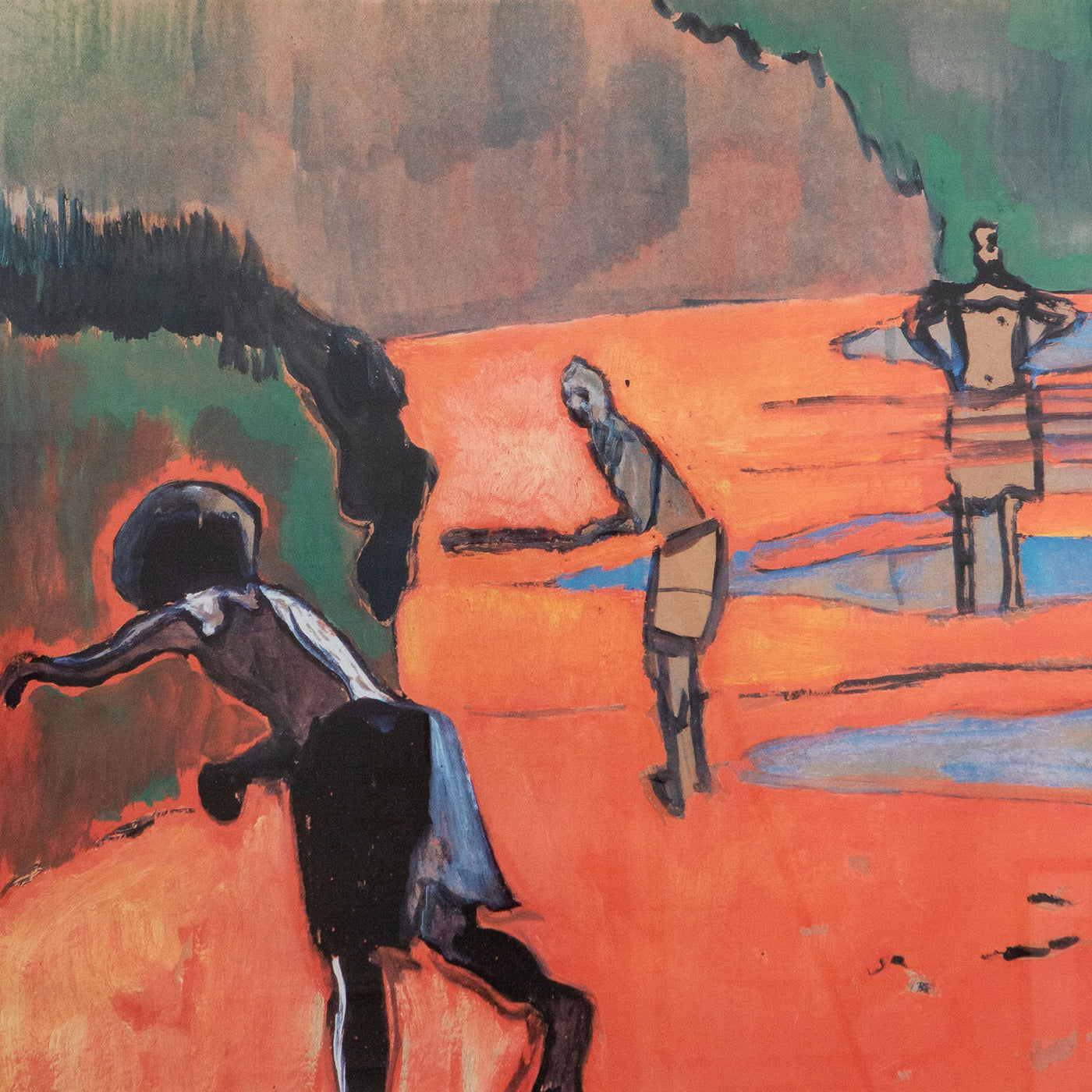
Watercolor art is a medium that has captivated artists and art enthusiasts for centuries. Known for its delicate transparency and luminous quality, watercolor paintings have a unique charm that sets them apart from other forms of art.
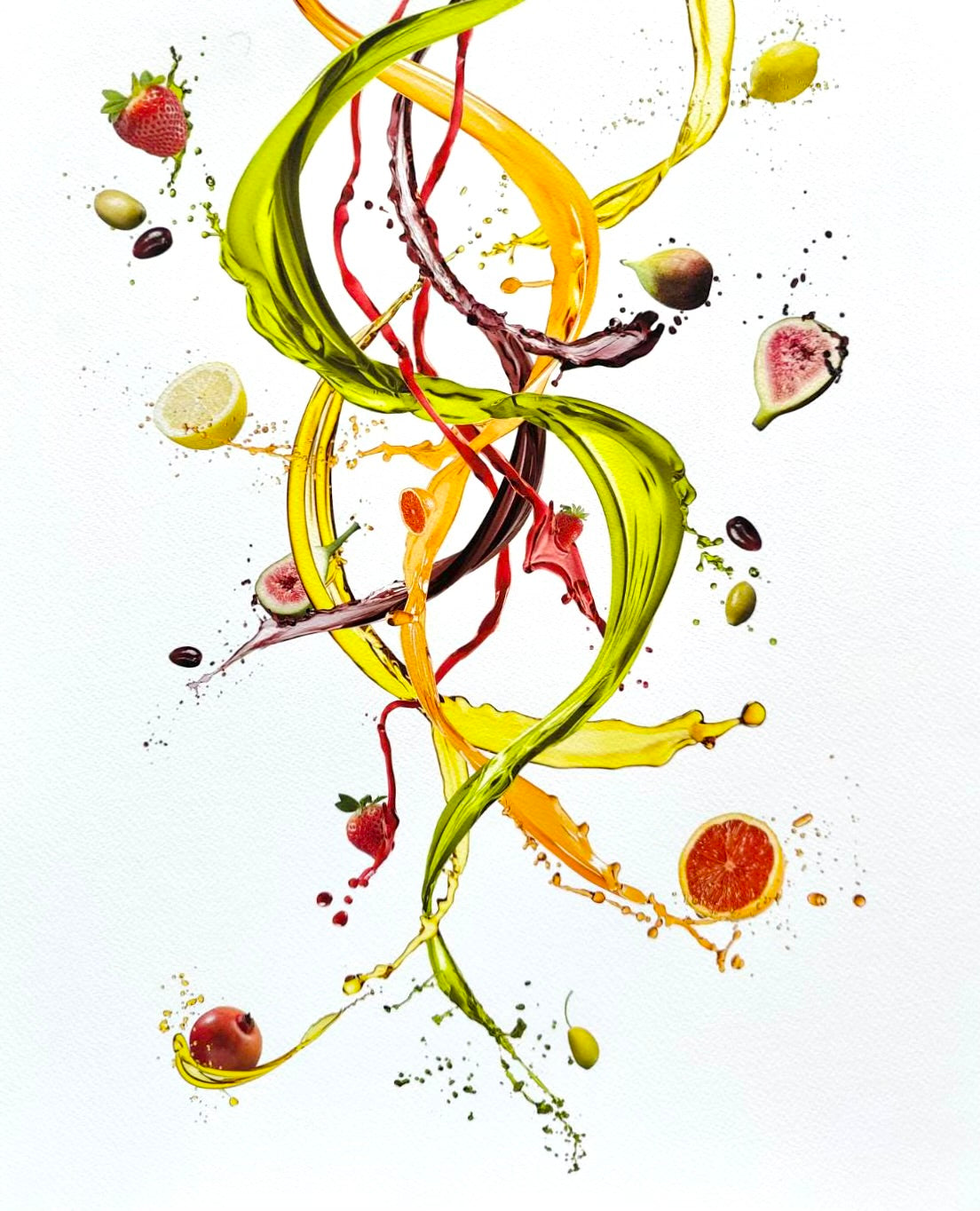
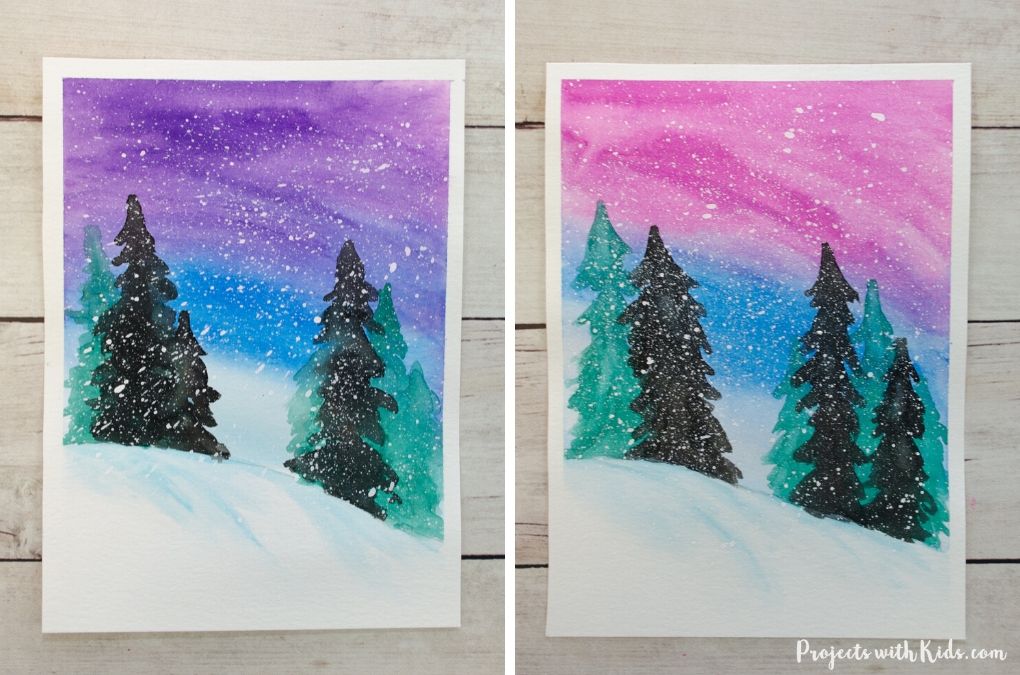
One of the defining characteristics of watercolor art is its fluidity. Artists use water as a solvent to dilute the paint, creating soft washes of color that blend seamlessly on the paper. This technique allows for a wide range of effects, from ethereal and dreamy to bold and vibrant.
Watercolor artists often embrace the unpredictability of the medium, as the paint can flow and bleed in unexpected ways. This element of spontaneity adds an exciting dimension to the creative process, challenging artists to adapt and experiment with different techniques.
Despite its seemingly effortless appearance, mastering watercolor requires skill and precision. Artists must carefully control the amount of water and pigment they use, as well as understand how different papers absorb and react to the paint. The layering of colors and strategic use of white space are also essential aspects of creating dynamic watercolor compositions.
Watercolor art has a rich history that spans cultures and genres. From traditional landscapes and still lifes to modern abstract interpretations, watercolor has been used to capture a wide range of subjects with depth and emotion. Its versatility makes it a popular choice for artists seeking to express their creativity in a fresh and vibrant way.
Whether you’re an experienced artist or a beginner exploring new mediums, watercolor art offers endless possibilities for experimentation and self-expression. Its timeless beauty continues to inspire generations of artists to push boundaries, challenge conventions, and create stunning works that resonate with viewers around the world.
Mastering Watercolor: 9 Essential Tips for Stunning Artworks
- Use high-quality watercolor paper for better results.
- Start with light washes and gradually build up the layers for depth.
- Experiment with different techniques like wet-on-wet, dry brushing, and lifting.
- Invest in good quality brushes to control water flow and create fine details.
- Mix colors on a palette to achieve the desired shades before applying them.
- Allow layers to dry completely before adding more paint to avoid muddiness.
- Embrace imperfections and let watercolor’s spontaneous nature guide your work.
- Use masking fluid or tape to preserve white areas or create sharp edges.
- Practice regularly to improve your skills and develop your own style.
Use high-quality watercolor paper for better results.
When delving into the world of watercolor art, it is essential to prioritize the quality of the paper you use. Opting for high-quality watercolor paper can significantly enhance the results of your artwork. The right paper texture and weight can absorb the paint effectively, allowing for smoother washes and more vibrant colors. Additionally, high-quality paper is more durable and less likely to warp or buckle when exposed to water, providing a stable surface for your creative endeavors. Investing in good watercolor paper is a crucial step towards achieving professional-looking results in your watercolor paintings.
Start with light washes and gradually build up the layers for depth.
When creating watercolor art, it is advisable to begin with light washes of color and gradually layer additional pigment to achieve depth and richness in the artwork. By starting with a light touch, artists can establish a foundation that allows them to build upon and enhance the colors as they progress. This technique not only adds dimension to the painting but also creates a sense of luminosity and transparency that is characteristic of watercolor art. Patience and careful layering are key to mastering this method and achieving stunning results in watercolor paintings.
Experiment with different techniques like wet-on-wet, dry brushing, and lifting.
To enhance your watercolor art skills, it is beneficial to experiment with various techniques such as wet-on-wet, dry brushing, and lifting. By trying out these different approaches, you can discover new ways to manipulate the paint on the paper and create unique effects in your artwork. Wet-on-wet painting involves applying wet paint onto a wet surface, resulting in soft blends and diffused colors. Dry brushing allows for more controlled strokes and texture by using a minimal amount of water on the brush. Lifting technique involves removing paint from the paper using a damp brush or sponge, creating highlights or correcting mistakes. Embracing these techniques adds depth and dimension to your watercolor paintings, expanding your artistic repertoire and unlocking endless creative possibilities.
Invest in good quality brushes to control water flow and create fine details.
Investing in high-quality brushes is essential for mastering watercolor art. Quality brushes not only help control the flow of water and pigment on paper but also enable artists to create intricate details with precision. By using the right brush for different techniques and effects, artists can elevate their work to new levels of sophistication and finesse. Good brushes are not just tools; they are instruments that empower artists to unleash their creativity and express their vision with clarity and control in every brushstroke.
Mix colors on a palette to achieve the desired shades before applying them.
To achieve the desired shades in watercolor art, it is essential to mix colors on a palette before applying them to the paper. By carefully blending different pigments and adjusting the ratios of water and paint, artists can create a wide range of hues and tones that add depth and vibrancy to their paintings. This pre-mixing process allows for greater control over color intensity and ensures consistency in the final artwork, enhancing the overall visual impact of the piece. Mastering this technique not only enhances the quality of the painting but also enables artists to explore their creativity and experiment with various color combinations effectively.
Allow layers to dry completely before adding more paint to avoid muddiness.
To achieve vibrant and clear watercolor paintings, it is crucial to allow each layer to dry completely before adding more paint. By giving each layer adequate time to dry, artists can prevent colors from blending together and creating a muddy appearance on the paper. This technique ensures that the colors remain distinct and luminous, enhancing the overall depth and clarity of the artwork. Patience in allowing layers to dry not only maintains the integrity of each hue but also allows for greater control over the painting process, resulting in crisp and well-defined compositions.
Embrace imperfections and let watercolor’s spontaneous nature guide your work.
Embracing imperfections and allowing watercolor’s spontaneous nature to guide your work can lead to captivating and unique artistic outcomes. By relinquishing strict control and welcoming the fluidity of the medium, artists can harness the beauty of unexpected color blends and textures that arise organically on the paper. These imperfections often add depth and character to a watercolor painting, creating a sense of movement and vitality that captures the essence of the moment. Letting go of perfectionism in favor of embracing the inherent unpredictability of watercolor art can result in pieces that are not only visually striking but also imbued with a sense of authenticity and emotion.
Use masking fluid or tape to preserve white areas or create sharp edges.
To enhance your watercolor art, consider utilizing masking fluid or tape as a valuable technique. By applying masking fluid or tape strategically, you can effectively preserve white areas on your paper or create crisp, clean edges in your paintings. This method allows you to maintain the luminosity of the paper and achieve precise details in your artwork. Experimenting with masking fluid or tape adds a layer of control and precision to your watercolor compositions, enabling you to explore new possibilities and enhance the overall impact of your work.
Practice regularly to improve your skills and develop your own style.
Regular practice is essential for honing your skills and cultivating a unique artistic style in watercolor art. By dedicating time to painting regularly, you not only improve your technical abilities but also gain a deeper understanding of the medium. Through consistent practice, you can experiment with different techniques, explore new ideas, and refine your personal artistic voice. Embracing a routine of regular practice allows you to grow as an artist, pushing boundaries and evolving your style to create distinctive and captivating watercolor artworks.