The Evolution of Modern Abstract Art
Modern abstract art has revolutionized the way we perceive and interpret artistic expression. With its roots in the early 20th century, abstract art has evolved into a diverse and dynamic genre that continues to captivate audiences worldwide.
Breaking Away from Tradition
Abstract art emerged as a radical departure from traditional artistic conventions, focusing on shapes, colors, and forms rather than realistic representation. Artists sought to convey emotions, ideas, and concepts through non-representational means, challenging viewers to engage with the artwork on a deeper level.
Diverse Styles and Techniques
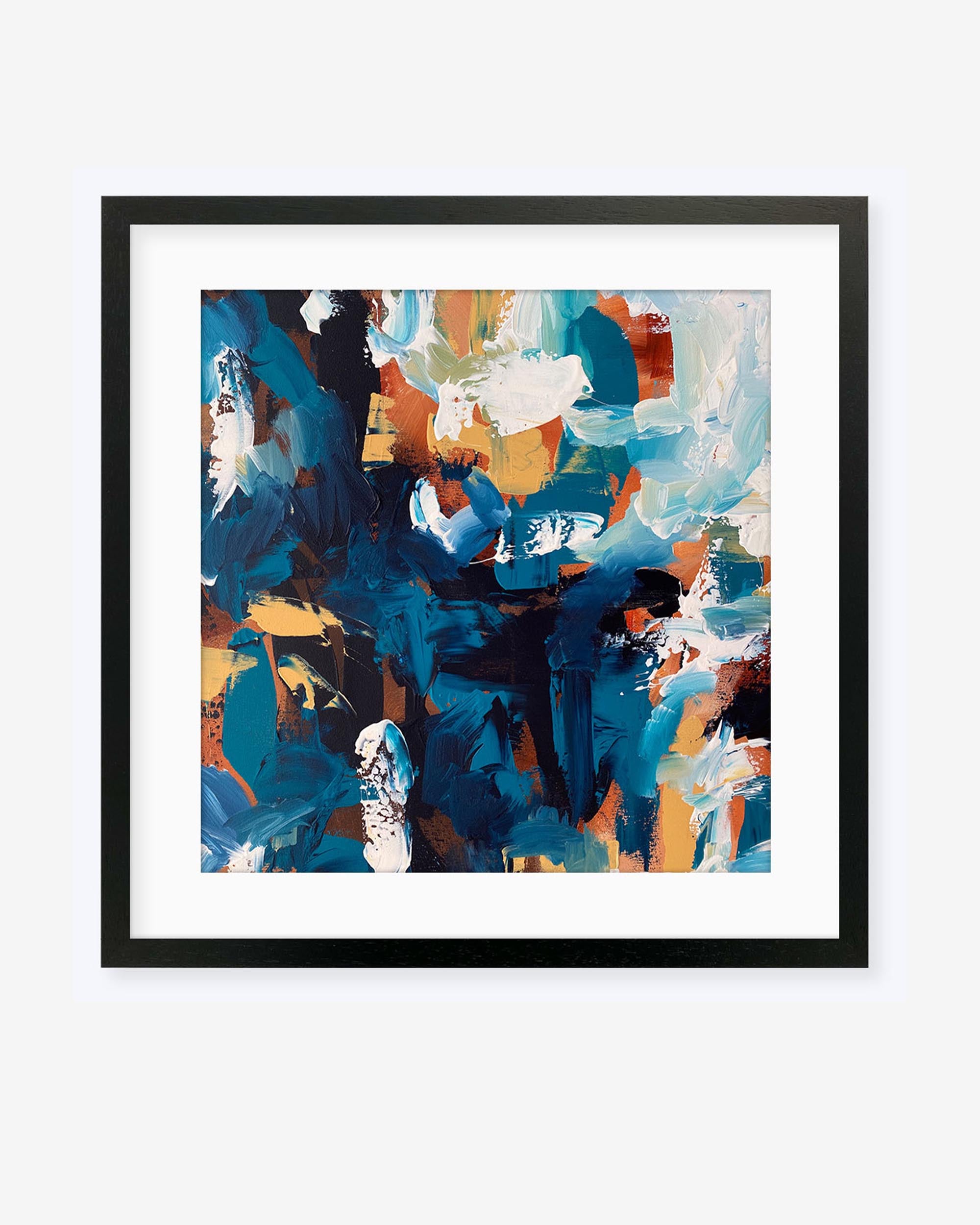
Modern abstract art encompasses a wide range of styles and techniques, from geometric abstraction to gestural abstraction and everything in between. Artists experiment with different mediums, textures, and compositions to create visually stimulating and thought-provoking works of art.
Expression of Emotion and Meaning
Abstract art allows artists to express their innermost thoughts, feelings, and experiences in a way that transcends language and cultural barriers. Through bold brushstrokes, vibrant colors, and dynamic compositions, artists convey a range of emotions that resonate with viewers on a personal level.
Influence on Contemporary Art
The influence of modern abstract art can be seen in contemporary art practices across various disciplines. From architecture to fashion design, abstract principles have inspired new forms of creativity and innovation, shaping the visual landscape of the 21st century.
Celebrating Creativity and Individuality
Modern abstract art celebrates the boundless possibilities of artistic expression and encourages individuality and experimentation. Artists continue to push the boundaries of abstraction, creating works that challenge conventions and redefine our understanding of what art can be.
As we navigate the complexities of the modern world, abstract art serves as a powerful reminder of the beauty that lies in chaos, uncertainty, and ambiguity. It invites us to embrace the unknown, explore our innermost selves, and connect with others through shared experiences of creativity and imagination.
Exploring Modern Abstract Art: Top Valuations, Definitions, and Current Trends
- What is the most expensive modern abstract art piece?
- What is modern abstract art?
- What is modernist abstraction?
- What is the most trending art right now?
What is the most expensive modern abstract art piece?
The question of the most expensive modern abstract art piece is one that sparks curiosity and fascination among art enthusiasts and collectors alike. While the value of artworks can fluctuate based on various factors such as artist reputation, provenance, and market demand, one notable example of a highly-priced modern abstract art piece is “Interchange” by Willem de Kooning, which sold for a staggering $300 million in a private sale. This record-breaking sale not only highlights the enduring appeal of modern abstract art but also underscores the significant impact that iconic works can have on the art market.
What is modern abstract art?
Modern abstract art is a genre of artistic expression that emerged in the early 20th century as a radical departure from traditional representational art. It focuses on conveying emotions, ideas, and concepts through non-representational forms such as shapes, colors, and lines. Modern abstract art challenges viewers to engage with the artwork on a deeper level, inviting interpretation and personal reflection. By breaking away from realistic depictions, abstract artists explore the boundless possibilities of creativity and individual expression, shaping the visual landscape of contemporary art with diverse styles, techniques, and innovative approaches.
What is modernist abstraction?
Modernist abstraction refers to a significant artistic movement that emerged in the early 20th century, characterized by a departure from traditional forms of representation and a focus on non-representational elements such as shapes, colors, and forms. Modernist abstraction sought to break away from the constraints of realism and explore new ways of expressing emotions, ideas, and concepts through art. Artists within this movement experimented with innovative techniques and styles to create works that challenged viewers to engage with the artwork on a deeper, more introspective level. By pushing the boundaries of traditional art forms, modernist abstraction paved the way for contemporary abstract art practices and continues to inspire artists to explore the limitless possibilities of artistic expression.
What is the most trending art right now?
In the realm of contemporary art, modern abstract art stands out as one of the most trending and influential movements in the current artistic landscape. Characterized by its bold use of color, form, and expression, abstract art continues to captivate audiences and inspire artists worldwide. Its ability to evoke emotion, provoke thought, and challenge traditional notions of representation makes it a dynamic and ever-evolving genre that remains at the forefront of artistic innovation. As artists push the boundaries of abstraction through new techniques, styles, and mediums, modern abstract art continues to shape the cultural conversation and redefine what is considered cutting-edge in the art world today.