The Beauty of Art: Exploring the World of Painting
Painting is a timeless form of artistic expression that has captivated audiences for centuries. From the intricate details of classical masterpieces to the bold strokes of modern abstract art, paintings have the power to evoke emotions, spark imagination, and inspire creativity.
When it comes to determining the “best” painting, opinions may vary widely depending on personal taste, cultural background, and artistic preferences. However, there are certain paintings that have stood the test of time and continue to be revered as masterpieces by art enthusiasts around the world.
Key Elements of a Great Painting
What sets a great painting apart from others? It’s a combination of factors such as composition, color palette, brushwork, emotional depth, and technical skill. A truly exceptional painting has the ability to transcend its physical form and connect with viewers on a profound level.
Iconic Paintings That Define Art History
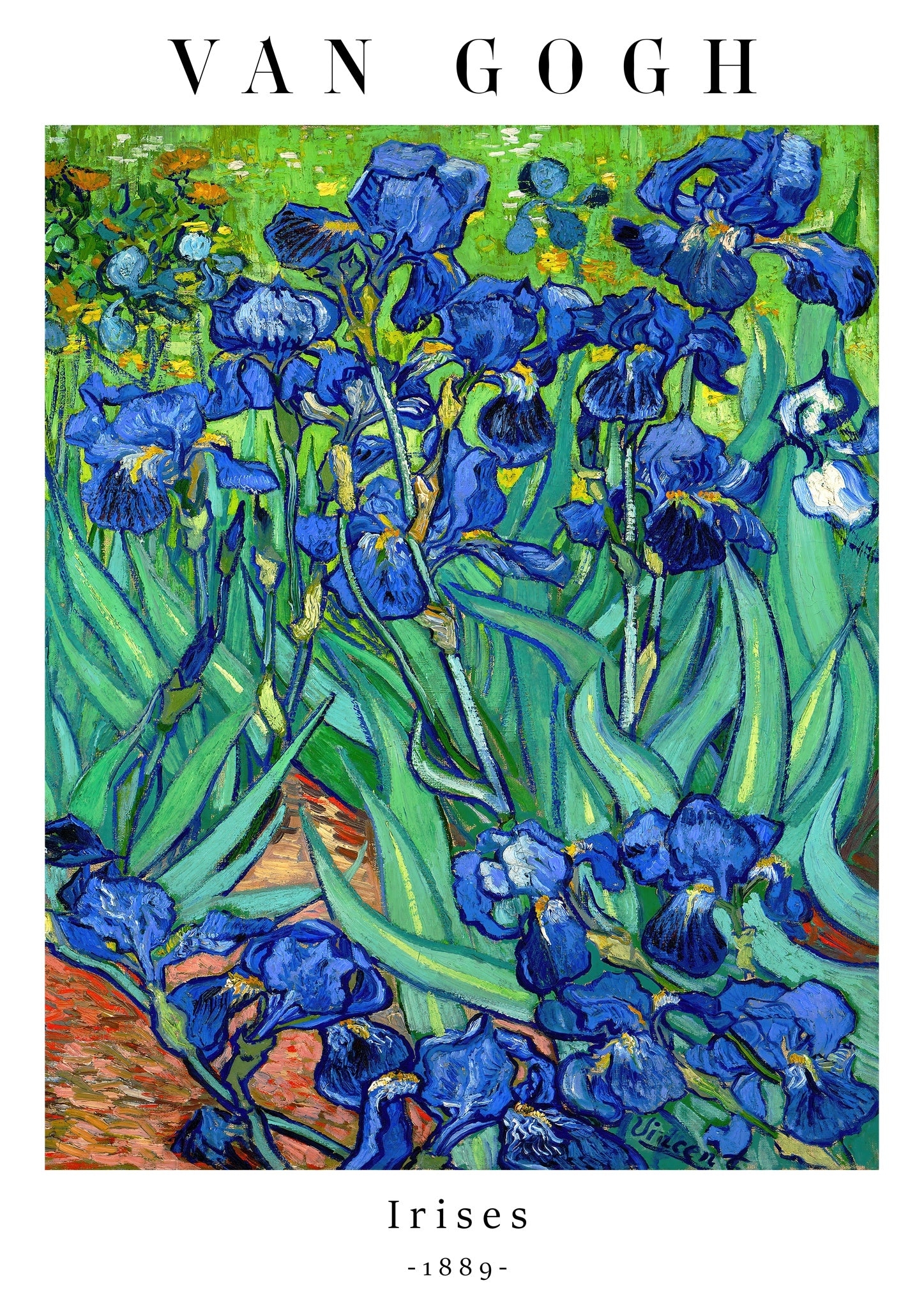
From Leonardo da Vinci’s enigmatic “Mona Lisa” to Vincent van Gogh’s vibrant “Starry Night,” certain paintings have become iconic symbols of artistic excellence. These works not only showcase the talent and vision of their creators but also reflect the cultural zeitgeist of their respective eras.
The Impact of Paintings on Society
Paintings have the power to shape our perceptions, challenge our assumptions, and provoke thought-provoking conversations. They serve as windows into different worlds, inviting us to see through the eyes of artists and experience their unique perspectives on life, love, beauty, and truth.
Appreciating the Diversity of Painting Styles
From realism to impressionism, abstract art to surrealism, there is a wide range of painting styles that cater to diverse tastes and sensibilities. Each style offers a unique lens through which artists can express themselves and communicate their ideas with audiences.
In Conclusion
Whether you’re an avid art collector or simply appreciate the beauty of paintings, there is no denying the profound impact that this art form has on our lives. The best painting is not just about technical perfection or aesthetic appeal—it’s about stirring emotions, sparking conversations, and connecting us to something greater than ourselves.
The Power of Great Paintings: 7 Ways They Captivate and Connect
- Evoke emotions and stir the soul
- Inspire creativity and imagination
- Serve as a visual storytelling medium
- Showcase artistic talent and skill
- Enhance cultural appreciation and understanding
- Provide a window into different perspectives
- Create lasting connections with viewers
Challenges in Defining and Appreciating the ‘Best’ Paintings: Subjectivity, Accessibility, Authenticity, and Preservation
- Subjective nature of art may lead to differing opinions on what constitutes the ‘best’ painting.
- Limited accessibility to view or own renowned paintings due to their high value and rarity.
- Potential for forgeries or replicas of famous paintings, diminishing their authenticity and value.
- Maintenance and preservation challenges for older or delicate paintings, requiring specialized care and expertise.
Evoke emotions and stir the soul
The true beauty of the best paintings lies in their ability to evoke deep emotions and stir the soul of the viewer. A powerful painting has the remarkable capacity to transcend physical boundaries and communicate on a profound emotional level. Through color, composition, and subject matter, a masterpiece can elicit a range of feelings—from joy and awe to contemplation and introspection. When a painting resonates with our innermost being, it has the power to touch our hearts, awaken our senses, and leave an indelible mark on our souls.
Inspire creativity and imagination
The beauty of the best paintings lies in their ability to inspire creativity and imagination. When we gaze upon a captivating artwork, we are transported to a world where possibilities are endless and boundaries are nonexistent. The colors, shapes, and emotions conveyed through painting have the power to ignite our own creative spark, encouraging us to think outside the box, explore new ideas, and express ourselves in unique ways. In this way, the best paintings serve as catalysts for innovation and artistic growth, fueling our imagination and inspiring us to see the world through a different lens.
Serve as a visual storytelling medium
Paintings, as a visual storytelling medium, have the remarkable ability to convey narratives, emotions, and ideas through imagery and symbolism. Each brushstroke, color choice, and composition in a painting contributes to the narrative being told by the artist. Whether depicting historical events, personal experiences, or abstract concepts, paintings invite viewers to interpret and engage with the story being presented. By serving as a visual storytelling medium, paintings transcend language barriers and communicate on a universal level, allowing for a deep connection between the artist’s vision and the audience’s interpretation.
Showcase artistic talent and skill
Showcasing artistic talent and skill is a key pro of the best paintings. Through meticulous brushwork, creative composition, and expert use of color, artists demonstrate their mastery of the craft and their ability to bring their artistic vision to life on canvas. The best paintings not only captivate viewers with their beauty but also serve as a testament to the artist’s dedication, creativity, and technical proficiency. Each brushstroke is a reflection of the artist’s unique style and expertise, showcasing their talent in a way that inspires awe and admiration among art enthusiasts and collectors alike.
Enhance cultural appreciation and understanding
The beauty of the best paintings lies in their ability to enhance cultural appreciation and understanding. Through art, viewers are transported to different worlds, exposed to diverse perspectives, and immersed in the rich tapestry of human experiences. By exploring paintings from various cultures and time periods, individuals can gain a deeper understanding of history, traditions, and societal values. This cultural exchange fosters empathy, tolerance, and a sense of interconnectedness among people from all walks of life. Ultimately, the best paintings serve as bridges that connect us across borders and generations, enriching our lives with newfound knowledge and appreciation for the world around us.
Provide a window into different perspectives
Great paintings have the remarkable ability to provide a window into different perspectives, offering viewers a glimpse into the artist’s unique worldview and emotional landscape. Through the use of color, composition, and symbolism, paintings can convey complex ideas, evoke powerful emotions, and challenge preconceived notions. By immersing ourselves in the world of a painting, we have the opportunity to see the world through someone else’s eyes, fostering empathy, understanding, and appreciation for diverse experiences and viewpoints. This transformative quality of paintings allows us to transcend our own reality and connect with the stories and emotions captured on canvas.
Create lasting connections with viewers
Great paintings have the remarkable ability to create lasting connections with viewers, transcending time and space to evoke emotions and spark contemplation. Through the artist’s skillful use of color, composition, and subject matter, a painting can resonate with individuals on a deeply personal level, forming a bond that endures long after the initial encounter. Whether it’s through shared experiences, cultural references, or universal themes, the best paintings have the power to forge meaningful connections that enrich our lives and inspire us to see the world in new and profound ways.
Subjective nature of art may lead to differing opinions on what constitutes the ‘best’ painting.
The subjective nature of art poses a significant con when determining the “best” painting, as individual interpretations and personal preferences can result in divergent opinions on what truly defines excellence in art. What one person may consider a masterpiece worthy of admiration, another may perceive as lackluster or unremarkable. This subjectivity underscores the inherent complexity and diversity of artistic expression, making it challenging to establish a universally agreed-upon standard for evaluating the merit of a painting. The multiplicity of perspectives adds layers of nuance to the discourse surrounding art, highlighting the intricate interplay between creativity, perception, and cultural context in shaping our understanding of what constitutes exceptional artwork.
Limited accessibility to view or own renowned paintings due to their high value and rarity.
The con of the “best” paintings lies in their limited accessibility to the general public, as well as aspiring art enthusiasts, due to their exorbitant value and rarity. Renowned paintings often reside in private collections, museums, or auction houses, making it challenging for individuals to view or own these masterpieces. The exclusivity surrounding these prized artworks can create a barrier for those who wish to experience the beauty and cultural significance of such paintings firsthand. This restricted access can hinder the democratization of art appreciation and limit the opportunities for a wider audience to engage with and be inspired by these iconic works of art.
Potential for forgeries or replicas of famous paintings, diminishing their authenticity and value.
The allure of owning a renowned masterpiece can be overshadowed by the prevalent issue of forgeries and replicas in the art world. The potential for fake copies of famous paintings poses a significant con, as it not only diminishes the authenticity of the original artwork but also undermines its intrinsic value. With advancements in technology and techniques, creating convincing replicas has become increasingly sophisticated, making it challenging for collectors and art enthusiasts to distinguish between genuine pieces and fraudulent imitations. This unfortunate reality casts a shadow on the integrity and provenance of iconic paintings, raising concerns about preserving their historical significance and artistic legacy.
Maintenance and preservation challenges for older or delicate paintings, requiring specialized care and expertise.
Maintaining and preserving older or delicate paintings poses a significant challenge due to the specialized care and expertise they demand. These artworks, often considered the best in art history, require meticulous attention to detail to prevent deterioration and ensure their longevity. Factors such as environmental conditions, handling procedures, and restoration techniques play a crucial role in the preservation of these valuable pieces. Art conservators and experts face the daunting task of balancing the need for conservation with the desire to retain the original integrity and beauty of these masterpieces, highlighting the delicate balance between protecting artistic heritage and ensuring its accessibility for future generations.