The Art of Gesso Paint: A Guide to Its History and Uses
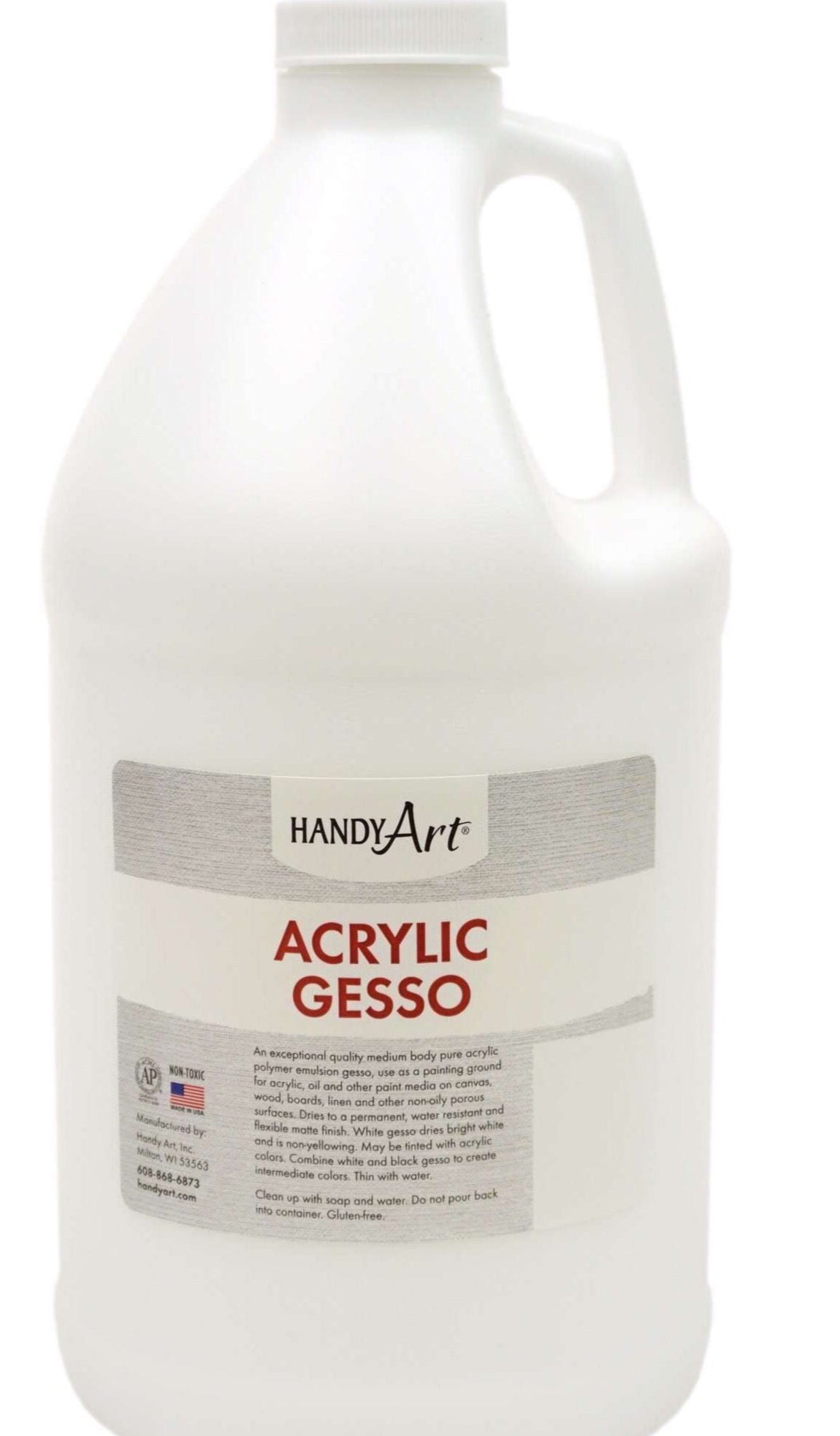
Gesso paint, a versatile medium with a rich history in the world of art, has been used for centuries by artists to prepare surfaces for painting and create unique textures. Derived from the Italian word “gesso,” meaning chalk or plaster, gesso paint consists of a mixture of binder and chalk or gypsum.
History of Gesso Paint
The use of gesso paint dates back to ancient times, where it was commonly used in Egyptian and Greek art to prepare surfaces such as wood panels and stone for painting. During the Renaissance period, gesso paint became popular among artists for its ability to create a smooth and durable surface that enhanced the vibrancy of colors.
Uses of Gesso Paint
Today, gesso paint continues to be an essential medium for artists working in various styles and techniques. It is commonly used to prime canvases, wood panels, and other surfaces before applying oil or acrylic paints. Gesso provides a smooth and absorbent surface that helps colors adhere better and prevents them from seeping into the substrate.
Aside from its priming function, gesso paint can also be used as a standalone medium for creating textured effects in paintings. Artists often mix gesso with pigments or other additives to achieve different textures and finishes, adding depth and dimension to their artwork.
Techniques with Gesso Paint
There are various techniques that artists can explore when working with gesso paint. Some artists apply multiple layers of gesso to build up texture on their surfaces, while others use tools like brushes, palette knives, or sponges to create intricate patterns and designs. Gesso can also be sanded or carved once dry to achieve specific effects.
Conclusion
Gesso paint remains a fundamental element in the artist’s toolkit, offering endless possibilities for creative expression. Whether used as a primer or as a standalone medium, gesso’s versatility and adaptability make it an indispensable part of the artistic process.
Understanding Gesso Paint: Answers to 7 Common Questions for Artists
- What is gesso paint?
- How is gesso paint used in art?
- What surfaces can be primed with gesso paint?
- Can gesso paint be used with oil paints?
- What are the benefits of using gesso paint?
- How do artists create textures using gesso paint?
- Is gesso paint suitable for beginners in painting?
What is gesso paint?
Gesso paint is a traditional medium used by artists to prepare surfaces for painting. Derived from the Italian word “gesso,” which means chalk or plaster, gesso paint typically consists of a mixture of binder and chalk or gypsum. It serves as a primer that is applied to canvases, wood panels, or other surfaces before painting with oils or acrylics. Gesso creates a smooth and absorbent surface that helps colors adhere better and prevents them from seeping into the substrate. Additionally, artists often use gesso paint to create textured effects in their artwork by mixing it with pigments or other additives.
How is gesso paint used in art?
Gesso paint is a crucial element in the world of art, primarily used as a primer to prepare surfaces for painting. Artists often apply gesso onto canvases, wood panels, or other substrates before adding layers of paint. This preparatory step not only creates a smooth and absorbent surface for better paint adhesion but also helps prevent colors from seeping into the material. Additionally, gesso paint can be utilized as a standalone medium to add texture and dimension to artworks. By mixing gesso with pigments or using various application techniques, artists can create unique effects and enhance the visual impact of their creations.
What surfaces can be primed with gesso paint?
Gesso paint is a versatile medium that can be used to prime a variety of surfaces in the world of art. Common surfaces that can be primed with gesso paint include canvases, wood panels, paper, cardboard, and even fabrics. The absorbent nature of gesso helps create a smooth and stable surface for painting, allowing artists to achieve vibrant colors and precise details in their artwork. Whether working with oil paints, acrylics, or mixed media, priming surfaces with gesso paint is an essential step that enhances the overall quality and longevity of the finished piece.
Can gesso paint be used with oil paints?
When it comes to the compatibility of gesso paint with oil paints, the answer is yes. Gesso paint serves as an excellent primer for surfaces that will be painted with oil paints. By applying gesso as a base layer, artists can create a smooth and absorbent surface that allows oil paints to adhere effectively and showcase their true colors. The use of gesso before painting with oils helps prevent the oil from seeping into the substrate and provides a stable foundation for the artwork. Overall, incorporating gesso paint into the process of working with oil paints can enhance the quality and longevity of the finished piece.
What are the benefits of using gesso paint?
When considering the benefits of using gesso paint, it is essential to highlight its versatile nature and practical applications in the realm of art. One of the primary advantages of gesso paint is its ability to prepare surfaces effectively, creating a smooth and absorbent base for painting. This ensures that colors adhere well to the surface and remain vibrant over time. Additionally, gesso paint allows artists to experiment with textures and finishes, adding depth and dimension to their artwork. Its flexibility as both a primer and a standalone medium makes it a valuable tool for artists seeking to enhance their creative expression and achieve desired artistic effects.
How do artists create textures using gesso paint?
Artists create textures using gesso paint by employing various techniques that manipulate the application and surface of the medium. One common method is to apply multiple layers of gesso onto the canvas or substrate, allowing each layer to dry before adding the next. By building up these layers, artists can achieve a textured surface that adds depth and dimension to their artwork. Additionally, artists may use tools such as brushes, palette knives, or sponges to create patterns or designs in the gesso paint before it dries. This allows them to create intricate textures that enhance the visual interest of their paintings. Sanding or carving into dried gesso layers is another technique artists use to create unique textures that add a tactile element to their work. Overall, the versatility of gesso paint provides artists with a wide range of possibilities for experimenting with texture in their art.
Is gesso paint suitable for beginners in painting?
For beginners in painting, gesso paint can be a valuable tool to enhance their artistic journey. Gesso’s ability to prepare surfaces for painting and improve paint adhesion makes it an ideal medium for beginners looking to create a strong foundation for their artwork. Its versatility allows beginners to experiment with different textures and techniques, helping them develop their skills and unleash their creativity. By using gesso paint, beginners can achieve smoother and more professional-looking results in their paintings, making it a suitable choice for artists at any skill level.