The Beauty of Dot Painting
Dot painting, also known as pointillism, is a unique and mesmerizing form of art that has captivated audiences for centuries. Originating from Indigenous Australian cultures, dot painting has evolved into a contemporary art form that continues to inspire artists and art enthusiasts around the world.
Ancient Roots
The roots of dot painting can be traced back to the Aboriginal peoples of Australia, who used traditional techniques to create intricate patterns and designs using dots. These artworks were not only aesthetically pleasing but also held deep cultural and spiritual significance, often depicting stories of creation, landscapes, and ancestral connections.
Contemporary Interpretations
In modern times, dot painting has been embraced by artists beyond Indigenous communities, who have adapted and reimagined the technique to create stunning contemporary artworks. By using a variety of tools such as brushes, sticks, or even fingers to apply dots of paint onto canvas or other surfaces, artists can achieve intricate patterns, textures, and color gradients that mesmerize the viewer.
Symbolism and Meaning
Each dot in a dot painting carries its own significance and symbolism. Artists often use colors and arrangements of dots to convey messages or evoke emotions. From representing elements of nature to expressing personal stories or cultural heritage, dot paintings are rich in meaning and open to interpretation.
The Meditative Process
Creating a dot painting is not only about the final artwork but also about the process itself. The repetitive act of applying individual dots requires patience, focus, and precision. Many artists find the process meditative and therapeutic, allowing them to connect with their creativity on a deeper level.
Appreciating Dot Painting
Whether you’re an artist looking for a new technique to explore or an art lover seeking inspiration, dot painting offers a unique visual experience that is both captivating and thought-provoking. The beauty of dot painting lies in its ability to transcend cultural boundaries and speak a universal language through the intricate arrangement of simple dots.
Next time you encounter a dot painting, take a moment to appreciate the skill and creativity behind each carefully placed dot—and immerse yourself in the mesmerizing world of this ancient yet ever-evolving art form.
Dot Painting: Techniques, Methods, Terminology, and Tools Explained
- How do you do dot painting?
- What is the dot method of painting?
- What is a dot painting called?
- What tool to use for dot painting?
How do you do dot painting?
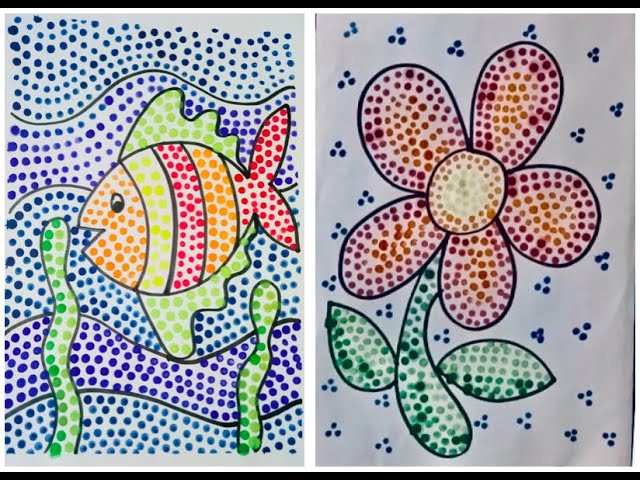
To create dot paintings, artists typically use tools such as brushes, sticks, or even the tip of a pencil to apply individual dots of paint onto a surface. The process involves careful consideration of color choices, dot sizes, spacing, and patterns to achieve the desired effect. Artists may start with a rough sketch or outline before meticulously filling in the design with dots of varying colors and densities. The technique requires patience, precision, and a steady hand to create intricate patterns and textures that define dot paintings. Each dot is thoughtfully placed to convey meaning, symbolism, and visual interest in the final artwork.
What is the dot method of painting?
The dot method of painting, also known as dotting or pointillism, is a technique where artists use small, individual dots of paint to create intricate patterns, textures, and designs. This meticulous approach involves applying dots of various sizes and colors onto a canvas or surface to build up layers and shapes. The dot method allows artists to achieve a unique visual effect that can range from simple geometric patterns to elaborate and detailed artworks. Through the careful placement of dots, artists can create depth, movement, and dimension in their paintings, resulting in mesmerizing and captivating pieces that showcase the artist’s skill and creativity.
What is a dot painting called?
In the realm of art, a dot painting is often referred to as “pointillism.” This term originates from the French word “point,” meaning point or dot. Pointillism is a technique where small, distinct dots of pure color are applied in patterns to form an image. Artists use this method to create intricate and visually striking artworks that engage viewers with their meticulous detail and vibrant colors. Dot painting, or pointillism, showcases the artist’s skill in precision and composition, resulting in captivating pieces that invite contemplation and appreciation for the art form’s unique beauty.
What tool to use for dot painting?
When it comes to dot painting, choosing the right tool is essential for achieving the desired effect and precision in creating intricate patterns and designs. Artists commonly use a variety of tools such as fine-tipped brushes, wooden sticks, metal styluses, or even everyday items like cotton swabs or toothpicks to apply dots of paint onto the canvas. The choice of tool depends on the artist’s preference, the size of the dots needed, and the level of detail required in the artwork. Experimenting with different tools can lead to unique textures and effects, allowing artists to explore the endless possibilities of dot painting and unleash their creativity on canvas.