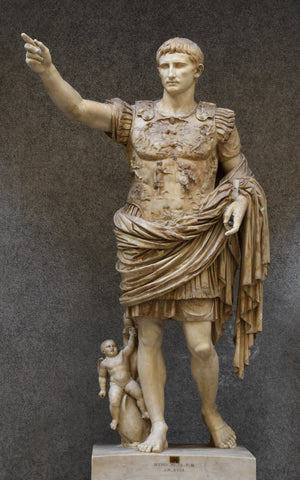
The Timeless Beauty of Classical Art
Classical art, rooted in ancient civilizations and enduring through centuries, continues to captivate audiences with its timeless beauty and profound significance. Defined by harmony, balance, and a reverence for the human form, classical art reflects the ideals and values of its time while transcending cultural boundaries to resonate with audiences across generations.
The Origins of Classical Art
Classical art traces its origins to ancient Greece and Rome, where artists sought to capture the essence of beauty, grace, and perfection in their works. Sculptures such as the Venus de Milo and the Discobolus exemplify the meticulous attention to detail and anatomical accuracy that define classical art.
The Elements of Classical Art
Key elements of classical art include symmetry, proportion, and idealized forms. Whether depicted in sculptures, paintings, or architecture, these principles create a sense of balance and harmony that elevates the aesthetic appeal of classical artworks. The use of geometric patterns, naturalistic motifs, and mythological themes further enriches the visual storytelling of classical art.
The Legacy of Classical Art
Classical art has left an indelible mark on the history of art and continues to inspire contemporary artists around the world. From Renaissance masters like Leonardo da Vinci and Michelangelo to neoclassical painters such as Jacques-Louis David, the influence of classical art can be seen in diverse artistic movements throughout history.
Appreciating Classical Art Today
While classical art may be associated with antiquity, its relevance endures in modern times as a testament to human creativity and ingenuity. Museums and galleries showcase classical masterpieces alongside contemporary works, inviting viewers to appreciate the enduring legacy of this rich artistic tradition.
Whether admiring a marble statue carved millennia ago or studying a painting that captures a timeless moment in history, experiencing classical art is a journey through beauty, culture, and humanity that transcends time itself.
7 Essential Tips for Mastering Classical Art Techniques and Appreciation
- Study the works of famous classical artists such as Leonardo da Vinci, Michelangelo, and Raphael.
- Learn about different art movements within classical art, such as Renaissance and Baroque.
- Visit museums and galleries to see classical artworks in person for a deeper appreciation.
- Understand the use of light and shadow, known as chiaroscuro, in classical art to create depth and realism.
- Practice sketching figures and still life to improve your understanding of form and composition.
- Experiment with traditional techniques like oil painting or marble sculpting to experience the methods used by classical artists.
- Read books and articles on classical art history to gain insights into the cultural context of different artworks.
Study the works of famous classical artists such as Leonardo da Vinci, Michelangelo, and Raphael.
To deepen your understanding and appreciation of classical art, it is highly beneficial to study the works of renowned artists such as Leonardo da Vinci, Michelangelo, and Raphael. These masters of the classical period have left an indelible mark on the art world with their exceptional talent and innovative techniques. By immersing yourself in their paintings, sculptures, and architectural marvels, you can gain valuable insights into the aesthetic principles, technical mastery, and profound symbolism that define classical art.
Learn about different art movements within classical art, such as Renaissance and Baroque.
To deepen your understanding of classical art, it is essential to explore various art movements within this rich tradition, including the Renaissance and Baroque periods. The Renaissance, known for its revival of classical aesthetics and emphasis on humanism, produced iconic works by artists like Leonardo da Vinci and Michelangelo. On the other hand, the Baroque period introduced dynamic compositions, dramatic lighting, and emotional intensity in artworks by masters such as Caravaggio and Bernini. By studying these distinct movements, one can appreciate the evolution of classical art styles and the diverse expressions of creativity that have shaped the artistic landscape over centuries.
Visit museums and galleries to see classical artworks in person for a deeper appreciation.
To truly appreciate the intricate details and timeless beauty of classical art, it is highly recommended to visit museums and galleries in person. Seeing classical artworks up close allows for a deeper connection with the artistry, craftsmanship, and historical significance embedded in each piece. The experience of standing before a classical sculpture or painting not only offers a visual treat but also provides a profound insight into the cultural context and artistic techniques employed by masterful creators of the past. Engaging with classical art firsthand enriches one’s understanding and appreciation of this enduring artistic legacy.
Understand the use of light and shadow, known as chiaroscuro, in classical art to create depth and realism.
Understanding the use of light and shadow, known as chiaroscuro, in classical art is essential for appreciating the depth and realism achieved in artworks. By skillfully manipulating light and shadow, artists create a sense of volume, form, and dimension on two-dimensional surfaces. Chiaroscuro adds a dramatic contrast that enhances the illusion of three-dimensionality, bringing figures and objects to life with a heightened sense of realism. Mastery of chiaroscuro allows artists to evoke emotions, set moods, and draw viewers into the captivating world of classical art.
Practice sketching figures and still life to improve your understanding of form and composition.
To enhance your grasp of form and composition in classical art, it is advisable to dedicate time to practicing sketching figures and still life subjects. By engaging in this exercise, you can deepen your understanding of how light interacts with different surfaces, how objects occupy space, and how proportions play a crucial role in creating a harmonious composition. Through diligent sketching sessions, you can refine your observational skills and develop a keen eye for capturing the essence of subjects with precision and grace, ultimately enriching your artistic journey in classical art.
Experiment with traditional techniques like oil painting or marble sculpting to experience the methods used by classical artists.
To delve into the world of classical art, aspiring artists can embrace traditional techniques such as oil painting or marble sculpting. By immersing oneself in these time-honored methods, one gains a deeper appreciation for the craftsmanship and skill that defined the works of classical artists. Experimenting with oil painting allows for the exploration of color, texture, and light in a manner reminiscent of masters like Rembrandt and Vermeer. Similarly, trying one’s hand at marble sculpting offers a tactile understanding of form and proportion, mirroring the meticulous approach taken by sculptors in ancient Greece and Rome. Through these hands-on experiences, artists can truly connect with the artistic legacy of classical art and unlock new dimensions of creativity.
Read books and articles on classical art history to gain insights into the cultural context of different artworks.
To deepen your appreciation of classical art, immerse yourself in books and articles on classical art history. By delving into the cultural context surrounding various artworks, you can gain valuable insights into the influences, beliefs, and societal norms that shaped the creations of renowned artists. Understanding the historical backdrop of classical art not only enhances your knowledge but also enriches your interpretation of these timeless masterpieces, allowing you to connect more deeply with the artistic expressions of bygone eras.