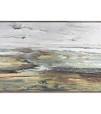
The Art of Wall Painting for Your Living Room
Wall painting is a powerful way to transform the look and feel of your living room. Whether you prefer bold and vibrant colors or subtle and soothing tones, the right wall paint can set the tone for your space and enhance its overall ambiance.
Choosing the Right Colors
When selecting colors for your living room walls, consider the mood you want to create. Warm tones like reds, oranges, and yellows can add energy and coziness to the room, while cool tones like blues, greens, and purples can create a sense of calmness and tranquility. Neutral colors like whites, grays, and beiges are versatile choices that can complement any decor style.
Accent Walls
Creating an accent wall with a different color or pattern can add visual interest and focal point to your living room. Choose a wall that you want to highlight, such as the one behind the sofa or fireplace, and paint it in a contrasting color or with a bold wallpaper design.
Texture and Finishes
Experimenting with different textures and finishes can add depth and dimension to your living room walls. Consider using techniques like sponge painting, stenciling, or faux finishes to create unique effects that reflect your personal style.
Artistic Murals
If you’re feeling adventurous, consider commissioning an artistic mural for your living room wall. A mural can be a stunning focal point that adds personality and character to your space. Work with a talented artist to create a custom mural that reflects your taste and complements your decor.
Professional Help
If you’re unsure about choosing the right colors or executing intricate painting techniques, don’t hesitate to seek help from professional painters or interior designers. They can provide expert advice on color selection, paint finishes, and wall treatments that will bring your vision to life.
Transform your living room into a work of art with creative wall painting techniques that reflect your personality and style.
7 Essential Tips for Perfectly Painting Your Living Room Walls
- 1. Choose the right paint color that complements the furniture and decor in your living room.
- 2. Prepare the walls by cleaning and repairing any imperfections before painting.
- 3. Use painter’s tape to protect trim, ceilings, and other areas you don’t want to paint.
- 4. Apply a primer before painting to ensure better adhesion and coverage of the paint.
- 5. Use high-quality paint brushes and rollers for a smoother finish.
- 6. Allow each coat of paint to dry completely before applying the next coat.
- 7. Consider using different painting techniques like color blocking or accent walls to add visual interest.
1. Choose the right paint color that complements the furniture and decor in your living room.
When painting the walls of your living room, it is essential to choose the right paint color that complements the furniture and decor already present in the space. Selecting a paint color that harmonizes with your existing furniture pieces and decorative elements can create a cohesive and visually appealing look. Whether you opt for a color that enhances the warmth of wooden furniture or one that complements the vibrant hues of accent pieces, choosing wisely ensures that your living room’s overall design scheme remains balanced and inviting.
2. Prepare the walls by cleaning and repairing any imperfections before painting.
Before starting the wall painting process for your living room, it is essential to prepare the walls properly. One crucial tip is to clean the walls thoroughly and repair any imperfections such as cracks, holes, or uneven surfaces. By addressing these issues beforehand, you ensure a smooth and flawless paint application, resulting in a professional-looking finish. Proper wall preparation not only enhances the aesthetic appeal of your living room but also ensures that the paint adheres well and lasts longer, maintaining the beauty of your space for years to come.
3. Use painter’s tape to protect trim, ceilings, and other areas you don’t want to paint.
When embarking on a wall painting project for your living room, utilizing painter’s tape is a crucial tip to ensure clean and precise results. By carefully applying painter’s tape along the edges of trim, ceilings, and other areas you wish to protect from paint splatter or accidental brushstrokes, you can maintain a neat and professional finish. This simple yet effective technique not only saves time on tedious touch-ups but also allows you to focus on the creative aspect of painting without worrying about unwanted smudges or spills.
4. Apply a primer before painting to ensure better adhesion and coverage of the paint.
Before embarking on your living room wall painting project, it is essential to follow the tip of applying a primer beforehand. By applying a primer, you are setting the foundation for better adhesion and coverage of the paint. The primer helps create a smooth and uniform surface, allowing the paint to adhere effectively and ensuring a more durable finish. This crucial step not only enhances the overall look of your walls but also helps the paint color appear more vibrant and true to its shade. So, don’t skip this important preparation step to achieve professional-looking results in your living space.
5. Use high-quality paint brushes and rollers for a smoother finish.
To achieve a professional-looking wall painting for your living room, it is essential to use high-quality paint brushes and rollers. Investing in premium tools ensures a smoother finish and better coverage, resulting in a polished and refined look for your walls. Quality brushes and rollers help to distribute paint evenly, minimize streaks or brush marks, and make the painting process more efficient. By choosing the right tools, you can elevate the overall appearance of your living space and create a visually appealing environment that reflects your attention to detail.
6. Allow each coat of paint to dry completely before applying the next coat.
To achieve a flawless finish when painting your living room walls, it is crucial to follow the tip of allowing each coat of paint to dry completely before applying the next coat. By giving ample time for the paint to dry, you ensure that each layer adheres properly and avoids any smudges or imperfections. Patience in between coats will result in a smooth and professional-looking paint job that enhances the overall aesthetic of your living space.
7. Consider using different painting techniques like color blocking or accent walls to add visual interest.
Consider using different painting techniques like color blocking or accent walls to add visual interest to your living room. By incorporating these creative methods, you can elevate the aesthetic appeal of your space and create a dynamic focal point that enhances the overall ambiance. Color blocking allows you to play with contrasting hues to define specific areas or highlight architectural features, while accent walls provide an opportunity to introduce bold colors or patterns that make a statement. These techniques not only add depth and dimension to your walls but also reflect your unique style and artistic vision.