Creating a Stunning Sunset Painting: A Beginner’s Guide
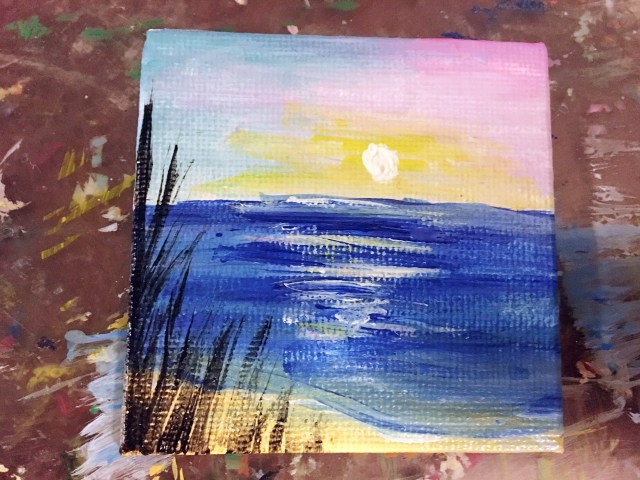
Painting a beautiful sunset is a wonderful way to express your creativity and capture the serene beauty of nature on canvas. Even if you’re new to painting, creating a stunning sunset scene can be a rewarding and enjoyable experience. Here are some easy steps to help you create your own sunset masterpiece:
Materials You’ll Need:
- Canvas or painting paper
- Acrylic or oil paints in warm colors (such as red, orange, yellow)
- Paintbrushes in various sizes
- Palette for mixing colors
- Cup of water for cleaning brushes
- Paper towels for blotting excess paint
Step 1: Prepare Your Canvas
Start by preparing your canvas with a light coat of white or light blue paint to create a base for your sunset colors. Let it dry completely before moving on to the next step.
Step 2: Paint the Sky
Using broad brush strokes, apply the warm colors (red, orange, yellow) to create the sky of your sunset. Blend the colors together smoothly to mimic the gradient of colors during a sunset.
Step 3: Add Clouds and Silhouettes
Add fluffy clouds using white paint and gentle strokes. You can also add silhouettes of trees or buildings at the horizon line to enhance the depth and realism of your painting.
Step 4: Final Touches
Add any final details or embellishments to complete your sunset painting. You can add birds flying in the sky, reflections on water if present, or any other elements that speak to you creatively.
Remember, there are no strict rules when it comes to art – feel free to experiment with different techniques and styles until you achieve the desired look. Enjoy the process and let your imagination guide you as you create your own stunning sunset masterpiece!
8 Simple Tips for Painting Stunning Sunsets
- Start with a light sketch to outline the horizon and main elements of the sunset scene.
- Use warm colors like red, orange, and yellow for the sky to mimic the colors of a sunset.
- Blend colors together smoothly to create a gradient effect in the sky.
- Add silhouettes of objects or landscapes against the setting sun for a dramatic effect.
- Consider using different painting techniques like wet-on-wet or dry brushing to add texture to your sunset painting.
- Don’t forget about reflection – include water or other surfaces that can reflect the colors of the sunset.
- Experiment with adding clouds or birds to make your sunset painting more dynamic and realistic.
- Take breaks and step back from your painting periodically to assess your progress and make necessary adjustments.
Start with a light sketch to outline the horizon and main elements of the sunset scene.
To begin your easy sunset painting, it’s helpful to start with a light sketch outlining the horizon and key elements of the scene. This initial sketch serves as a guide for placing the sun, clouds, and any other elements in the composition. By mapping out these basic elements beforehand, you can ensure a well-balanced and visually appealing sunset painting. The sketch provides a foundation for building up layers of color and detail as you bring your sunset scene to life on canvas.
Use warm colors like red, orange, and yellow for the sky to mimic the colors of a sunset.
To create a captivating sunset painting, it is recommended to utilize warm colors such as red, orange, and yellow for the sky. These hues beautifully mimic the vibrant and soothing colors typically seen during a sunset, adding depth and warmth to your artwork. By blending these colors seamlessly together, you can effectively capture the essence of a stunning sunset scene on your canvas, evoking a sense of tranquility and beauty in your painting.
Blend colors together smoothly to create a gradient effect in the sky.
To achieve a stunning sunset painting, it’s essential to blend colors together smoothly to create a seamless gradient effect in the sky. By skillfully transitioning warm hues like red, orange, and yellow, you can mimic the natural beauty of a sunset with ease. This technique not only adds depth and dimension to your artwork but also captures the mesmerizing transition of colors that occurs during dusk. Embrace the art of blending to bring your sunset scene to life and evoke a sense of tranquility and warmth in your painting.
Add silhouettes of objects or landscapes against the setting sun for a dramatic effect.
Enhance the beauty of your sunset painting by incorporating silhouettes of objects or landscapes against the setting sun. This simple yet effective technique adds a touch of drama and depth to your artwork, creating a striking contrast between the dark silhouettes and the vibrant colors of the sunset sky. Whether it’s trees, buildings, or other elements, these silhouettes can elevate your painting and evoke a sense of awe and wonder in the viewer. Experiment with different shapes and placements to achieve the perfect balance and create a truly captivating sunset scene.
Consider using different painting techniques like wet-on-wet or dry brushing to add texture to your sunset painting.
Consider using different painting techniques like wet-on-wet or dry brushing to add texture to your sunset painting. By incorporating these techniques, you can create depth and dimension in your artwork, enhancing the visual impact of the sunset scene. Wet-on-wet painting allows colors to blend seamlessly on the canvas, creating a soft and dreamy effect, while dry brushing can be used to create texture and highlight specific areas of your painting. Experimenting with these techniques will not only add interest to your artwork but also help you develop your skills as a painter.
Don’t forget about reflection – include water or other surfaces that can reflect the colors of the sunset.
When painting a sunset scene, it is essential not to overlook the element of reflection. Incorporating water or other reflective surfaces into your artwork can add depth and realism by capturing the vibrant colors of the sunset in a dynamic way. By including reflections, you can enhance the visual impact of your painting and create a more immersive and captivating composition that truly captures the beauty of a sunset.
Experiment with adding clouds or birds to make your sunset painting more dynamic and realistic.
To enhance the visual impact and realism of your sunset painting, consider experimenting with adding elements like clouds or birds. Incorporating fluffy clouds in the sky can create a sense of movement and depth, while silhouettes of birds flying across the horizon can add a touch of life and dynamism to your artwork. By including these details, you can elevate your sunset painting to a new level of vibrancy and realism, making it more engaging and visually captivating for viewers.
Take breaks and step back from your painting periodically to assess your progress and make necessary adjustments.
Taking breaks and stepping back from your painting periodically is a crucial tip when creating a sunset painting. By giving yourself moments to pause and assess your progress, you can gain a fresh perspective on your work and identify areas that may need adjustments. This practice allows you to see the painting as a whole and make informed decisions on color blending, composition, and overall balance. Remember, taking time to reflect on your artwork can lead to improved results and a more satisfying painting experience.