The Beauty of Textured Wall Art
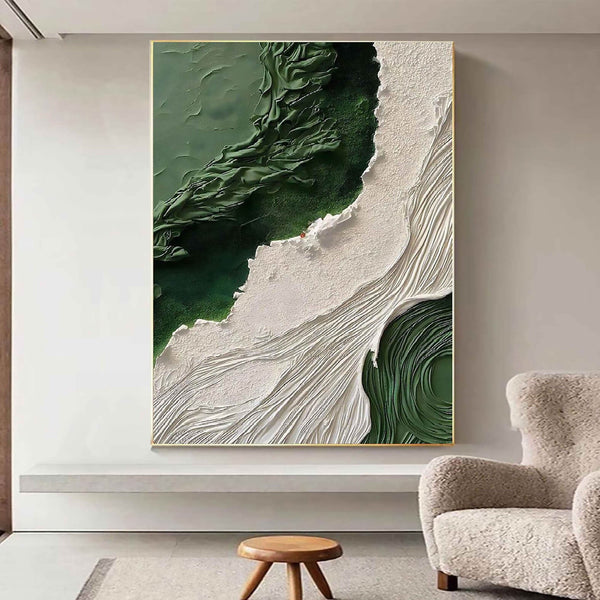
Textured wall art has become a popular choice for interior decor enthusiasts looking to add depth and character to their living spaces. Unlike traditional flat wall art, textured pieces offer a tactile element that engages both the eyes and the sense of touch, creating a dynamic and visually appealing focal point in any room.
Creating Dimension and Visual Interest
Textured wall art comes in various forms, including paintings, sculptures, mixed media pieces, and installations. Artists use a variety of techniques and materials to create texture, such as layering paint, adding relief elements like beads or fabric, or using unconventional tools to manipulate the surface.
These textures not only add dimension to the artwork but also play with light and shadow, creating interesting visual effects that change depending on the viewing angle. The interplay of textures can evoke different emotions and moods, making textured wall art a versatile choice for different interior styles.
Enhancing Ambiance and Style
Textured wall art can transform a plain wall into a statement piece that reflects the homeowner’s personality and aesthetic preferences. Whether it’s a bold abstract painting with raised patterns or a subtle mixed media piece with intricate details, textured art adds warmth, depth, and visual interest to any room.
Moreover, textured wall art can complement existing decor elements such as furniture, lighting fixtures, or textiles. By choosing pieces that harmonize with the overall color scheme and design theme of the room, homeowners can create a cohesive look that ties the space together beautifully.
Exploring Creativity and Expression
Artists who specialize in textured wall art have the freedom to experiment with different techniques and materials to bring their creative visions to life. From rough textures that convey raw emotion to smooth finishes that exude elegance, textured wall art offers endless possibilities for artistic expression.
Whether you’re looking to add a touch of drama to your living room or create a serene atmosphere in your bedroom, textured wall art can help you achieve your desired ambiance while showcasing your appreciation for unique artistic creations.
Exploring Textured Wall Art: Frequently Asked Questions and Insights
- What is textured wall art?
- How is textured wall art created?
- What materials are commonly used to create textured wall art?
- What are the benefits of using textured wall art in interior decor?
- How can textured wall art enhance the visual appeal of a room?
- Are there different styles of textured wall art available?
- Can textured wall art be customized to suit specific design preferences?
- Where can I find unique and high-quality textured wall art pieces?
- How do I care for and maintain textured wall art?
What is textured wall art?
Textured wall art refers to artistic pieces that incorporate various tactile elements to create depth, dimension, and visual interest on a flat surface, such as a wall. Artists use a range of techniques and materials to add texture to their artworks, including layering paint, applying relief elements like beads or fabric, or using unconventional tools for surface manipulation. The result is a dynamic and engaging artwork that not only stimulates the sense of touch but also plays with light and shadow to create unique visual effects. Textured wall art allows artists to explore creativity and expressiveness while offering viewers an immersive experience that goes beyond traditional flat paintings or prints.
How is textured wall art created?
Textured wall art is created through a variety of techniques that involve adding depth and tactile elements to the surface of the artwork. Artists use different methods such as layering paint, applying textured mediums, using tools to create patterns or impressions, or incorporating materials like fabric, beads, or sand to achieve the desired texture. By experimenting with these techniques and materials, artists can create unique and visually captivating pieces that engage both the sense of sight and touch. The process of creating textured wall art allows artists to explore their creativity, experiment with different textures, and bring their artistic vision to life in a way that enhances the overall aesthetic appeal of the artwork.
What materials are commonly used to create textured wall art?
Various materials are commonly used to create textured wall art, each offering unique tactile and visual effects. Artists often utilize mediums such as acrylic paint, plaster, clay, fabric, sand, and paper to add texture to their creations. By layering these materials or applying them in different ways, artists can achieve a wide range of textures, from smooth and subtle to rough and gritty. Additionally, tools like brushes, palette knives, sponges, and even unconventional items like bubble wrap or combs are employed to manipulate the materials and create intricate patterns and designs on the surface of the artwork. The choice of materials plays a crucial role in determining the overall look and feel of textured wall art pieces, allowing artists to express their creativity in captivating ways that engage both the eyes and the sense of touch.
What are the benefits of using textured wall art in interior decor?
When considering the benefits of using textured wall art in interior decor, it’s important to recognize the transformative impact it can have on a space. Textured wall art adds depth and dimension to walls, creating visual interest and a tactile element that engages the senses. By introducing textures such as raised patterns, rough surfaces, or intricate details, textured wall art can enhance the ambiance of a room, making it more inviting and dynamic. Additionally, textured art pieces serve as focal points that draw attention and contribute to the overall aesthetic appeal of a space. Whether aiming to create a cozy atmosphere or make a bold design statement, textured wall art offers versatility and creativity in interior decor.
How can textured wall art enhance the visual appeal of a room?
Textured wall art has the remarkable ability to enhance the visual appeal of a room by adding depth, dimension, and tactile interest to the space. The various textures and patterns incorporated into the artwork create a dynamic focal point that draws the eye and captivates viewers. These textured pieces interact with light and shadow in unique ways, casting intriguing patterns and creating a sense of movement on the walls. By introducing textured wall art into a room, homeowners can elevate its aesthetic appeal, infuse personality and character into the space, and evoke different emotions or moods depending on the texture chosen. The interplay of textures not only enriches the visual experience but also contributes to a more engaging and visually stimulating environment for inhabitants and guests alike.
Are there different styles of textured wall art available?
When it comes to textured wall art, there is a wide array of styles available to suit various preferences and interior design aesthetics. From abstract and contemporary pieces that feature bold textures and geometric patterns to more traditional and organic styles that incorporate natural elements like wood or stone, the diversity of textured wall art styles is vast. Each style offers a unique visual appeal and can evoke different emotions or moods, allowing homeowners to choose artwork that resonates with their personal taste and complements their living spaces beautifully. Whether you prefer intricate detailing, subtle textures, or avant-garde designs, there is a textured wall art style out there to cater to every artistic inclination.
Can textured wall art be customized to suit specific design preferences?
When it comes to textured wall art, customization is a key feature that allows individuals to tailor their art pieces to suit specific design preferences. Many artists and designers offer the option to customize textured wall art, allowing customers to choose elements such as color schemes, textures, sizes, and even materials based on their unique tastes and interior decor requirements. Whether it’s adjusting the level of texture for a more subtle look or incorporating personalized motifs and patterns, the ability to customize textured wall art ensures that each piece is not only visually appealing but also perfectly complements the overall design aesthetic of the space it inhabits.
Where can I find unique and high-quality textured wall art pieces?
When searching for unique and high-quality textured wall art pieces, consider exploring reputable art galleries, boutique shops specializing in home decor, and online platforms that showcase the work of talented artists and artisans. Art fairs, exhibitions, and local art markets can also be excellent places to discover one-of-a-kind textured artworks that resonate with your style and preferences. Additionally, commissioning a custom piece from a skilled artist allows you to collaborate on a design that is tailored to your specific vision and space requirements, ensuring that you acquire a truly distinctive and personalized textured wall art piece.
How do I care for and maintain textured wall art?
Proper care and maintenance of textured wall art are essential to preserve its beauty and longevity. When cleaning textured wall art, it is important to use gentle methods to avoid damaging the texture. Dusting with a soft brush or microfiber cloth is recommended to remove surface dust and dirt without causing abrasion. Avoid using harsh chemicals or abrasive cleaners that can erode the texture or alter the color of the artwork. Regularly inspecting the artwork for any signs of damage, such as loose elements or fading colors, can help address issues promptly and prevent further deterioration. Additionally, keeping textured wall art away from direct sunlight and extreme humidity can help maintain its quality over time. By following these simple care tips, you can enjoy your textured wall art for years to come.