The Mesmerizing World of Kinetic Art
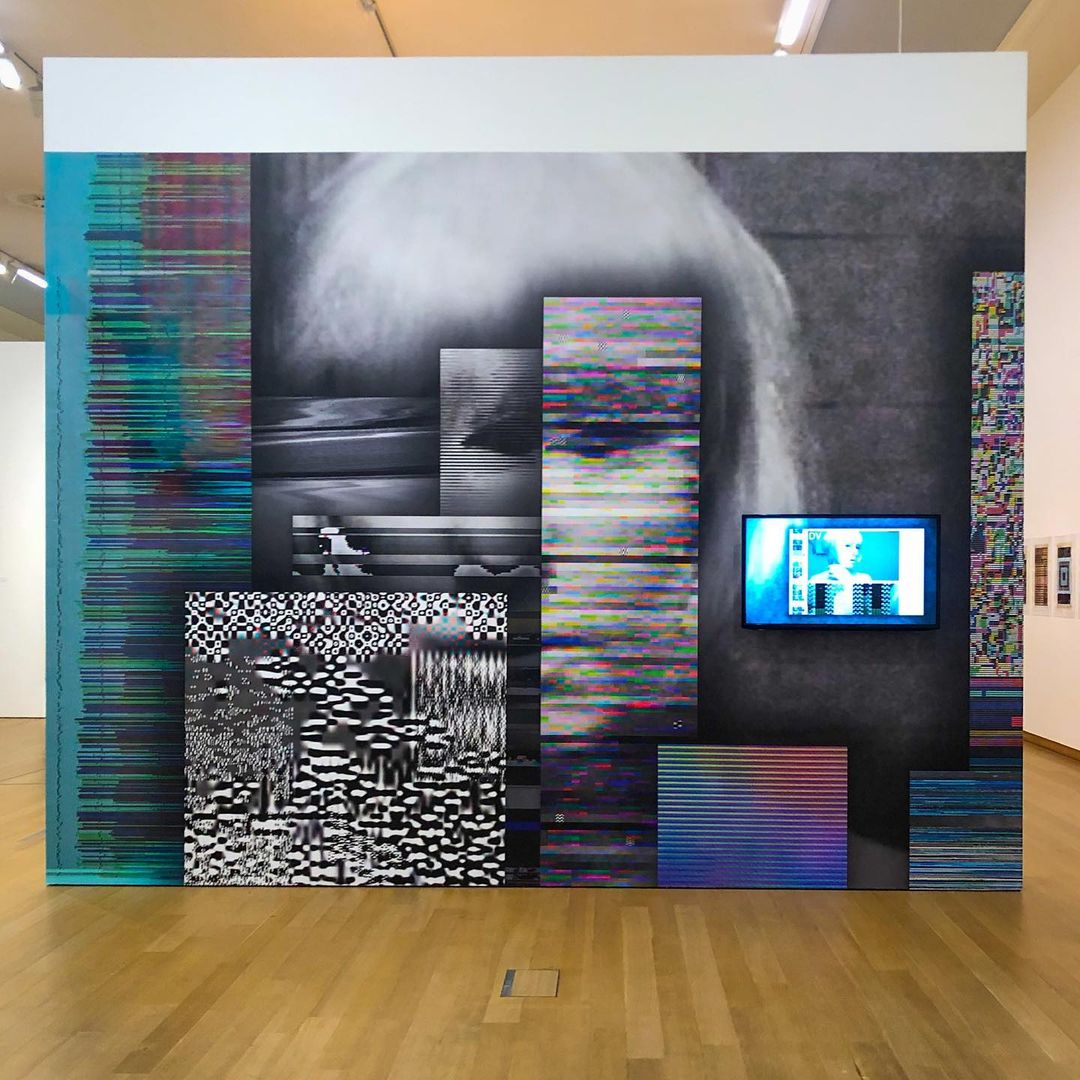
Kinetic art, also known as kinetic sculpture, is a unique form of art that incorporates movement into the artistic expression. Unlike traditional static artworks, kinetic art pieces come to life through motion, creating a dynamic and captivating experience for viewers.
History and Evolution
Kinetic art emerged in the 20th century as artists sought to break away from traditional forms and explore new ways of engaging with audiences. Artists like Alexander Calder, Jean Tinguely, and Naum Gabo were pioneers in this movement, creating sculptures and installations that moved in response to external stimuli or through mechanical means.
Elements of Kinetic Art
Common elements found in kinetic art include motorized components, mechanical systems, light effects, sound elements, and interactive features. These elements work together to create a multisensory experience that challenges perceptions and blurs the line between art and technology.
Impact on Contemporary Art
Kinetic art continues to influence contemporary artists who explore the boundaries of creativity and innovation. With advancements in technology, artists are able to push the limits of kinetic sculpture even further, incorporating digital elements and interactive designs into their works.
Experiencing Kinetic Art
One of the unique aspects of kinetic art is its ability to engage viewers on a visceral level. As viewers interact with these moving artworks, they become active participants in the artistic experience, creating a sense of connection and wonder that is truly transformative.
Conclusion
Kinetic art represents a fusion of artistry and engineering, blending creativity with motion to create immersive experiences that challenge perceptions and inspire awe. As this dynamic form of art continues to evolve, it will undoubtedly shape the future of artistic expression for generations to come.
5 Essential Tips for Creating Dynamic Kinetic Art
- Kinetic art involves movement or the illusion of movement.
- Consider using various materials such as metals, plastics, or fabrics to create kinetic sculptures.
- Experiment with different mechanisms like motors, gears, or wind to bring your kinetic art to life.
- Pay attention to the balance and weight distribution of your kinetic sculptures to ensure smooth movement.
- Explore the concept of time and space in relation to how viewers interact with your kinetic artwork.
Kinetic art involves movement or the illusion of movement.
Kinetic art is a captivating form of artistic expression that revolves around the concept of movement or the creation of the illusion of movement. Artists in this genre utilize various techniques and mechanisms to imbue their artworks with dynamic motion, inviting viewers to engage with the pieces in a way that goes beyond traditional static art forms. Through the incorporation of movement, kinetic art pieces come alive, sparking curiosity and fascination as they interact with their surroundings and captivate audiences with their mesmerizing dynamics.
Consider using various materials such as metals, plastics, or fabrics to create kinetic sculptures.
When exploring the realm of kinetic art, artists are encouraged to experiment with a diverse range of materials to bring their sculptures to life. By incorporating metals, plastics, or fabrics into their creations, artists can add depth, texture, and movement to their kinetic sculptures. These materials not only enhance the visual appeal of the artwork but also contribute to the overall sensory experience for viewers as they interact with the dynamic and engaging pieces. The choice of materials plays a crucial role in shaping the aesthetic and functionality of kinetic sculptures, allowing artists to push the boundaries of creativity and innovation in this captivating art form.
Experiment with different mechanisms like motors, gears, or wind to bring your kinetic art to life.
To bring your kinetic art to life, experiment with a variety of mechanisms such as motors, gears, or wind. These elements can add a dynamic and interactive dimension to your artwork, creating movement and intrigue that captivates viewers. By exploring different mechanisms, you can unlock new creative possibilities and enhance the visual impact of your kinetic sculptures or installations. Embrace experimentation and innovation to breathe life into your art through the power of motion and mechanical ingenuity.
Pay attention to the balance and weight distribution of your kinetic sculptures to ensure smooth movement.
When creating kinetic sculptures, it is crucial to pay close attention to the balance and weight distribution of the artwork. Achieving the right balance ensures that the sculpture moves smoothly and gracefully, enhancing the overall visual impact and engaging viewers effectively. By carefully considering these factors during the design and construction process, artists can create kinetic artworks that not only captivate audiences with their movement but also demonstrate a mastery of craftsmanship and artistic vision.
Explore the concept of time and space in relation to how viewers interact with your kinetic artwork.
When delving into the realm of kinetic art, it is essential to consider the intricate relationship between time, space, and viewer interaction. By exploring the concept of time and space within the context of kinetic artwork, artists can create immersive experiences that transcend traditional boundaries. The dynamic movement of kinetic sculptures not only manipulates physical space but also plays with the viewer’s perception of time, inviting them to engage with the artwork in a unique and personal way. This exploration adds a layer of depth and complexity to the artistic experience, fostering a deeper connection between the artwork and its audience.