The Timeless Beauty of Michelangelo’s Sculptures
Michelangelo Buonarroti, the renowned Italian sculptor, painter, and architect of the High Renaissance era, is widely celebrated for his breathtaking sculptures that continue to captivate art enthusiasts and historians alike. His mastery of marble and his ability to breathe life into stone have left an indelible mark on the world of art.
David: A Masterpiece of Perfection
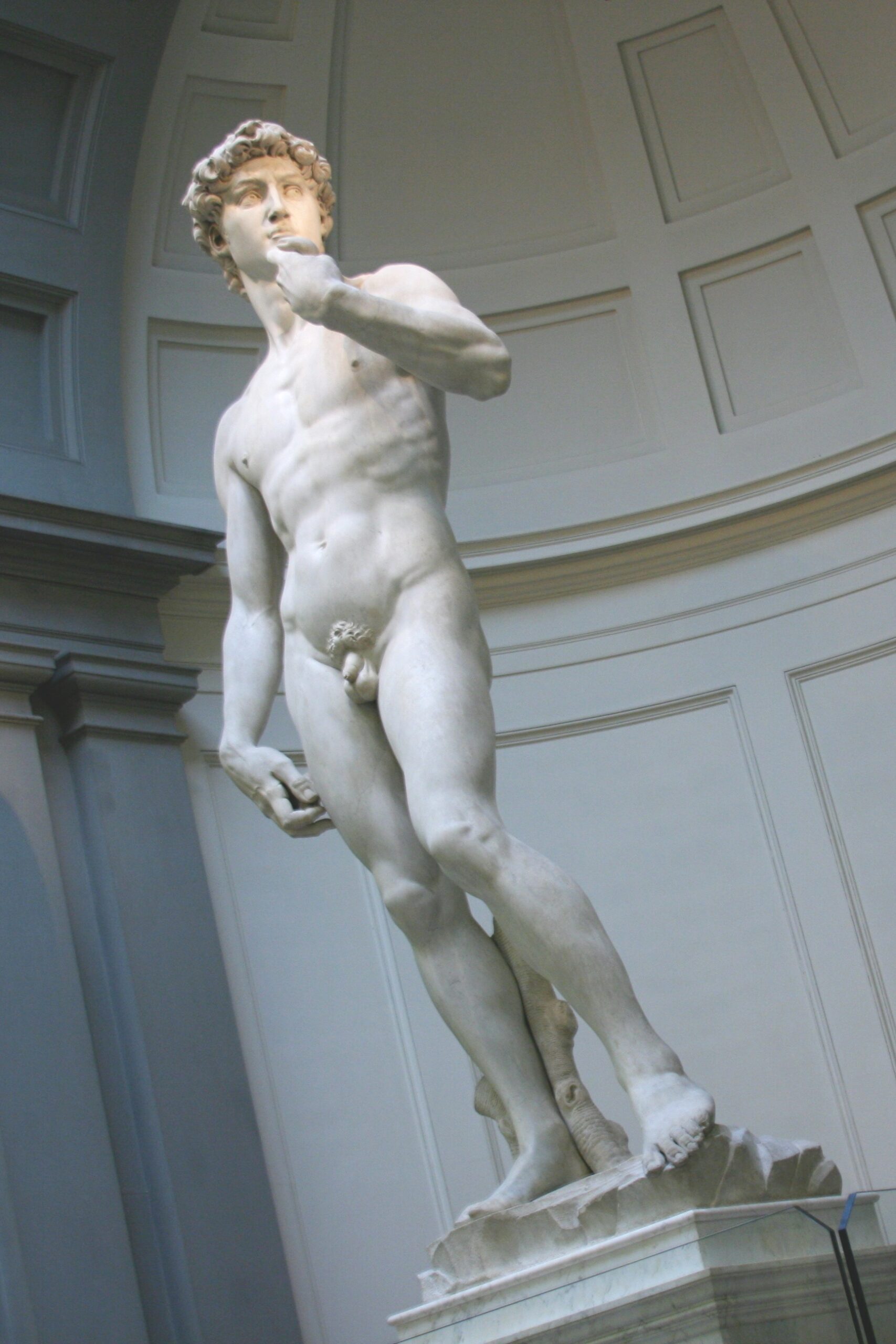
One of Michelangelo’s most iconic sculptures is “David,” a towering marble masterpiece that stands at over 17 feet tall. Created between 1501 and 1504, this sculpture depicts the biblical hero David in a moment of contemplation before his battle with Goliath. The intricate details, from the muscular form to the intense expression on David’s face, showcase Michelangelo’s unparalleled skill in capturing human anatomy and emotion.
Pieta: A Study in Grace and Sorrow
Another masterpiece by Michelangelo is the “Pieta,” a sculpture portraying the Virgin Mary cradling the lifeless body of Jesus Christ after his crucifixion. Carved from a single block of marble in 1499, this sculpture exudes a sense of profound sorrow and compassion through Mary’s gentle embrace and Christ’s lifeless form. The fluidity of the drapery and the delicate expressions on their faces convey a sense of grace and serenity amidst tragedy.
The Creation of Adam: Divine Inspiration in Stone
Adorning the ceiling of the Sistine Chapel in Vatican City is Michelangelo’s iconic fresco painting “The Creation of Adam.” This masterpiece depicts the moment when God breathes life into Adam, creating a powerful visual representation of divine inspiration. The intricate details, dynamic composition, and emotional depth captured in this artwork exemplify Michelangelo’s unrivaled talent as both a sculptor and painter.
Michelangelo’s sculptures continue to inspire awe and admiration centuries after their creation. His dedication to perfection, mastery of form, and ability to infuse emotion into his works have solidified his legacy as one of history’s greatest artists.
Exploring the Mastery of Michelangelo: 7 Tips for Appreciating His Sculptural Genius
- Michelangelo’s sculptures showcase his incredible skill in capturing human anatomy with remarkable realism.
- Study the intricate details of Michelangelo’s sculptures to appreciate the level of craftsmanship and dedication he put into his work.
- Understand the historical and cultural context in which Michelangelo created his sculptures to fully grasp their significance.
- Explore how Michelangelo’s use of light and shadow enhances the dramatic impact of his sculptures.
- Visit museums or art galleries to see Michelangelo’s sculptures in person for a more immersive experience.
- Compare and contrast different works by Michelangelo to observe how his style evolved over time.
- Read about Michelangelo’s life and artistic influences to gain a deeper insight into his sculptural masterpieces.
Michelangelo’s sculptures showcase his incredible skill in capturing human anatomy with remarkable realism.
Michelangelo’s sculptures showcase his incredible skill in capturing human anatomy with remarkable realism. Through meticulous attention to detail and a profound understanding of the human form, Michelangelo brought his sculptures to life, imbuing them with a sense of vitality and emotion that continues to resonate with viewers. His ability to sculpt marble into lifelike figures, complete with intricate musculature and dynamic poses, demonstrates his unparalleled talent as a master sculptor of the Renaissance era. Each sculpture by Michelangelo stands as a testament to his unwavering dedication to perfection and his enduring legacy as one of history’s most influential artists.
Study the intricate details of Michelangelo’s sculptures to appreciate the level of craftsmanship and dedication he put into his work.
To truly appreciate the genius of Michelangelo’s sculptures, it is essential to study the intricate details meticulously crafted by the master artist. Each chisel mark, every contour, and every expression in his sculptures reveal the unparalleled level of craftsmanship and dedication that Michelangelo poured into his work. By delving into the nuances of his creations, one can uncover the depth of skill and passion that defined Michelangelo’s artistic legacy, showcasing his unwavering commitment to perfection and bringing life to stone with unparalleled artistry.
Understand the historical and cultural context in which Michelangelo created his sculptures to fully grasp their significance.
To truly appreciate the significance of Michelangelo’s sculptures, it is essential to delve into the historical and cultural milieu in which he created these masterpieces. By understanding the societal influences, artistic trends, and personal motivations that shaped Michelangelo’s work, we gain a deeper insight into the profound meanings embedded within his sculptures. Contextualizing his art within the Renaissance period allows us to grasp the revolutionary nature of his creations and the enduring impact they have had on art history.
Explore how Michelangelo’s use of light and shadow enhances the dramatic impact of his sculptures.
Explore how Michelangelo’s masterful use of light and shadow elevates the dramatic impact of his sculptures to new heights. By skillfully manipulating light and shadow, Michelangelo creates dynamic contrasts that accentuate the contours and details of his works, infusing them with a sense of depth and movement. The interplay between light and shadow adds a layer of complexity to his sculptures, enhancing their emotional intensity and dramatic presence. Through this artistic technique, Michelangelo brings his subjects to life, inviting viewers to immerse themselves in the captivating interplay of light and shadow that defines his timeless creations.
Visit museums or art galleries to see Michelangelo’s sculptures in person for a more immersive experience.
To truly appreciate the magnificence of Michelangelo’s sculptures, it is highly recommended to visit museums or art galleries where his works are displayed. Seeing these masterpieces in person offers a more immersive experience, allowing viewers to marvel at the intricate details, feel the texture of the marble, and witness the emotional depth captured by Michelangelo’s skilled hands. Standing in the presence of sculptures like “David” or “Pieta” provides a profound connection to the artist’s vision and craftsmanship, offering a glimpse into the timeless beauty and artistic genius of Michelangelo.
Compare and contrast different works by Michelangelo to observe how his style evolved over time.
To gain a deeper understanding of Michelangelo’s artistic evolution, one can compare and contrast different works by the master sculptor. By examining pieces such as “David,” “Pieta,” and “The Creation of Adam,” one can observe how Michelangelo’s style evolved over time. From the detailed realism and emotional intensity of his early works to the grandeur and complexity of his later creations, each sculpture offers insight into Michelangelo’s growth as an artist and his mastery of form, emotion, and expression. Analyzing these works side by side allows art enthusiasts to appreciate the nuances of Michelangelo’s evolving style and the timeless beauty that defines his artistic legacy.
Read about Michelangelo’s life and artistic influences to gain a deeper insight into his sculptural masterpieces.
To gain a deeper appreciation for Michelangelo’s sculptural masterpieces, it is essential to delve into his life and artistic influences. By exploring the experiences, challenges, and inspirations that shaped Michelangelo as an artist, one can better understand the profound depth and complexity of his sculptures. From his early years as an apprentice in Florence to his later works commissioned by popes and royalty, Michelangelo’s journey is a testament to his unwavering dedication to his craft. Studying his life story provides valuable context that enhances the interpretation and appreciation of his timeless creations in marble.