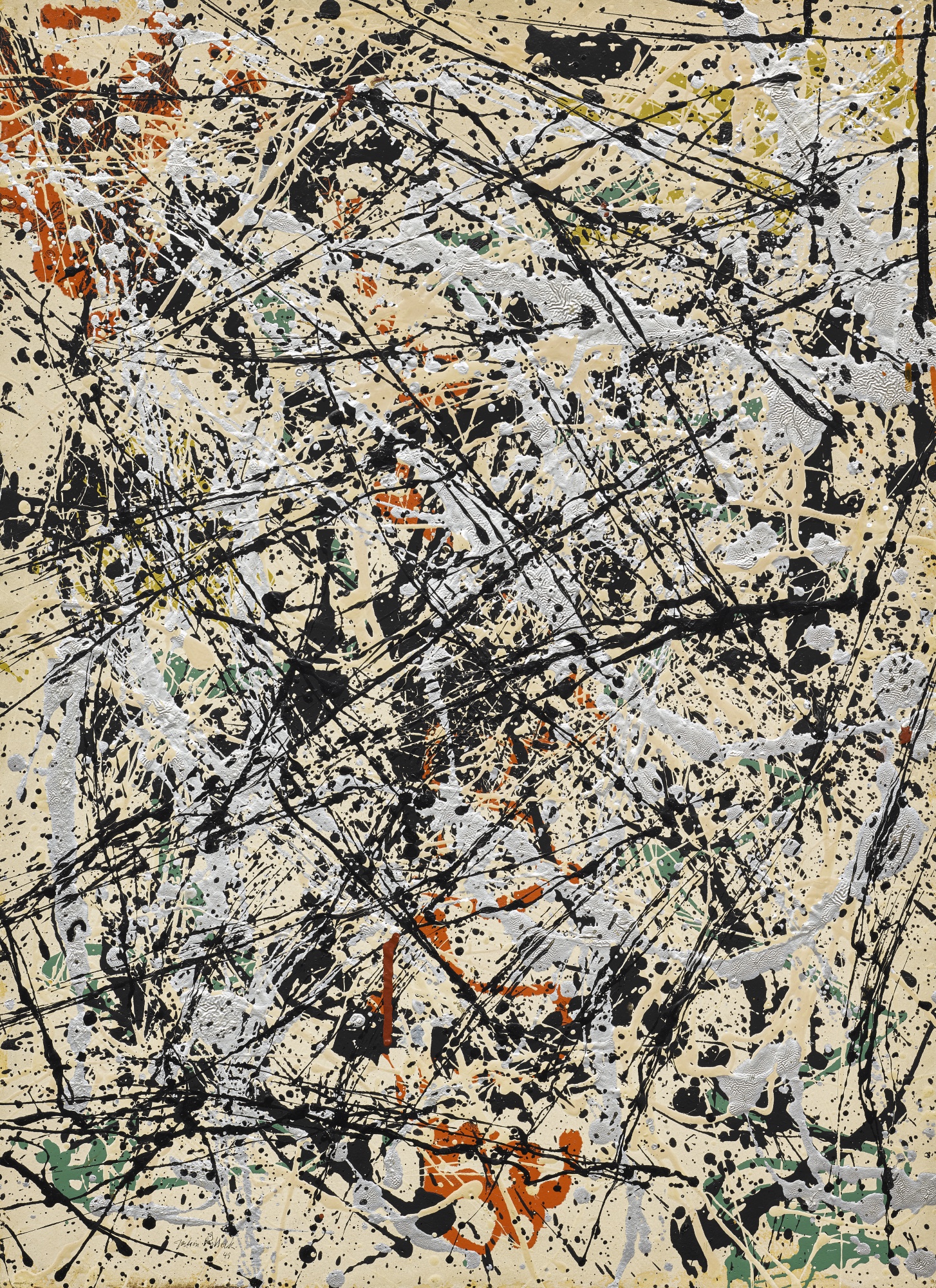
The Artistic Genius of Pollock Painting
Pollock painting, also known as action painting or abstract expressionism, is a revolutionary art form that emerged in the mid-20th century. At the forefront of this movement was American artist Jackson Pollock, whose unique technique and style transformed the art world.
Pollock’s approach to painting was unconventional and groundbreaking. Instead of using traditional brushes and easels, he placed his canvas on the floor and dripped, poured, and splattered paint onto it with rhythmic movements. This process allowed him to create dynamic and spontaneous compositions that captured the energy and emotion of the moment.
One of Pollock’s most famous works is “Number 1A, 1948,” a large-scale painting that exemplifies his signature style. The canvas is filled with intricate layers of dripped paint in a chaotic yet harmonious arrangement. Each stroke and drip of paint seems to dance across the surface, creating a sense of movement and depth.
Pollock’s paintings are not just about the final product; they are about the process of creation itself. His work reflects his inner struggles, emotions, and subconscious thoughts, inviting viewers to interpret and experience the artwork in their own way.
Today, Pollock’s paintings are highly sought after by collectors and art enthusiasts around the world. His impact on modern art continues to resonate through his innovative techniques and bold artistic vision.
Pollock painting remains a testament to the power of creativity, spontaneity, and expression in art. Through his revolutionary approach, Jackson Pollock redefined what it means to be an artist and left an indelible mark on the history of art.
Mastering Pollock Painting: 6 Essential Tips for Creating Dynamic Artworks
- Start with a rough sketch or outline of your composition.
- Experiment with different brush strokes and techniques to create texture and interest.
- Use a limited color palette to maintain harmony in your painting.
- Pay attention to the play of light and shadow to add depth to your artwork.
- Step back regularly to assess your painting from a distance for better perspective.
- Don’t be afraid to make bold decisions and trust your artistic instincts.
Start with a rough sketch or outline of your composition.
Before delving into the dynamic and spontaneous world of Pollock painting, it is advisable to begin with a rough sketch or outline of your composition. This initial step can serve as a roadmap for your creative journey, providing a foundation upon which to build your expressive layers of paint. By sketching out your ideas beforehand, you can establish a sense of structure and direction while still allowing room for improvisation and artistic freedom in capturing the essence of Pollock’s unique style.
Experiment with different brush strokes and techniques to create texture and interest.
To enhance the visual appeal and depth of your Pollock painting, it is recommended to experiment with various brush strokes and techniques. By exploring different methods of applying paint, such as dripping, splattering, or layering, you can create unique textures and visual interest in your artwork. These varied techniques not only add complexity to the composition but also allow for a more dynamic and expressive interpretation of your artistic vision. Embrace the freedom to explore and innovate with brushwork to elevate the overall impact of your Pollock painting.
Use a limited color palette to maintain harmony in your painting.
When creating a Pollock-style painting, it is advisable to use a limited color palette to maintain harmony in your artwork. By restricting the number of colors you use, you can create a cohesive and balanced composition that allows the dynamic brushwork and splatters to shine. This approach not only enhances the overall visual impact of the painting but also helps convey a sense of unity and coherence in the midst of the energetic and spontaneous application of paint.
Pay attention to the play of light and shadow to add depth to your artwork.
When creating Pollock-style paintings, it is crucial to pay close attention to the interplay of light and shadow on the canvas. By strategically incorporating light and shadow effects into your artwork, you can enhance the depth and dimension of the composition. The contrast between light and dark areas can create a sense of movement and drama, adding visual interest and complexity to the overall piece. Experimenting with different lighting angles and intensities can help you achieve a dynamic and captivating effect in your Pollock-inspired creations.
Step back regularly to assess your painting from a distance for better perspective.
To enhance your Pollock painting technique, remember to step back regularly while working on your canvas. By taking a moment to assess your artwork from a distance, you can gain a better perspective on the overall composition and balance of your piece. This practice allows you to evaluate the harmony of colors, the flow of lines, and the energy of your brushstrokes, helping you make informed decisions about the direction of your painting. Embracing this tip can lead to a more cohesive and impactful Pollock-inspired creation that captures the essence of spontaneity and creativity.
Don’t be afraid to make bold decisions and trust your artistic instincts.
When delving into the world of Pollock painting, it is crucial not to shy away from making bold decisions and trusting your artistic instincts. Just as Jackson Pollock fearlessly embraced unconventional techniques and innovative approaches in his work, aspiring artists should also dare to push boundaries and explore new possibilities. By tapping into one’s creative intuition and taking risks, remarkable artistic expressions can emerge, reflecting the essence of individuality and originality in the process of creation.