The Art of Japanese Painting
Japanese painting, known as “Nihonga,” has a rich history that dates back centuries and continues to captivate art enthusiasts worldwide. Rooted in traditional techniques and influenced by cultural aesthetics, Japanese painting embodies a unique blend of precision, harmony, and symbolism.
Historical Roots
Japanese painting traces its origins to ancient times when artists used natural materials such as ink, mineral pigments, and gold leaf to create intricate masterpieces. Over the centuries, different schools of painting emerged, each with its own distinctive style and subject matter.
Themes and Symbolism
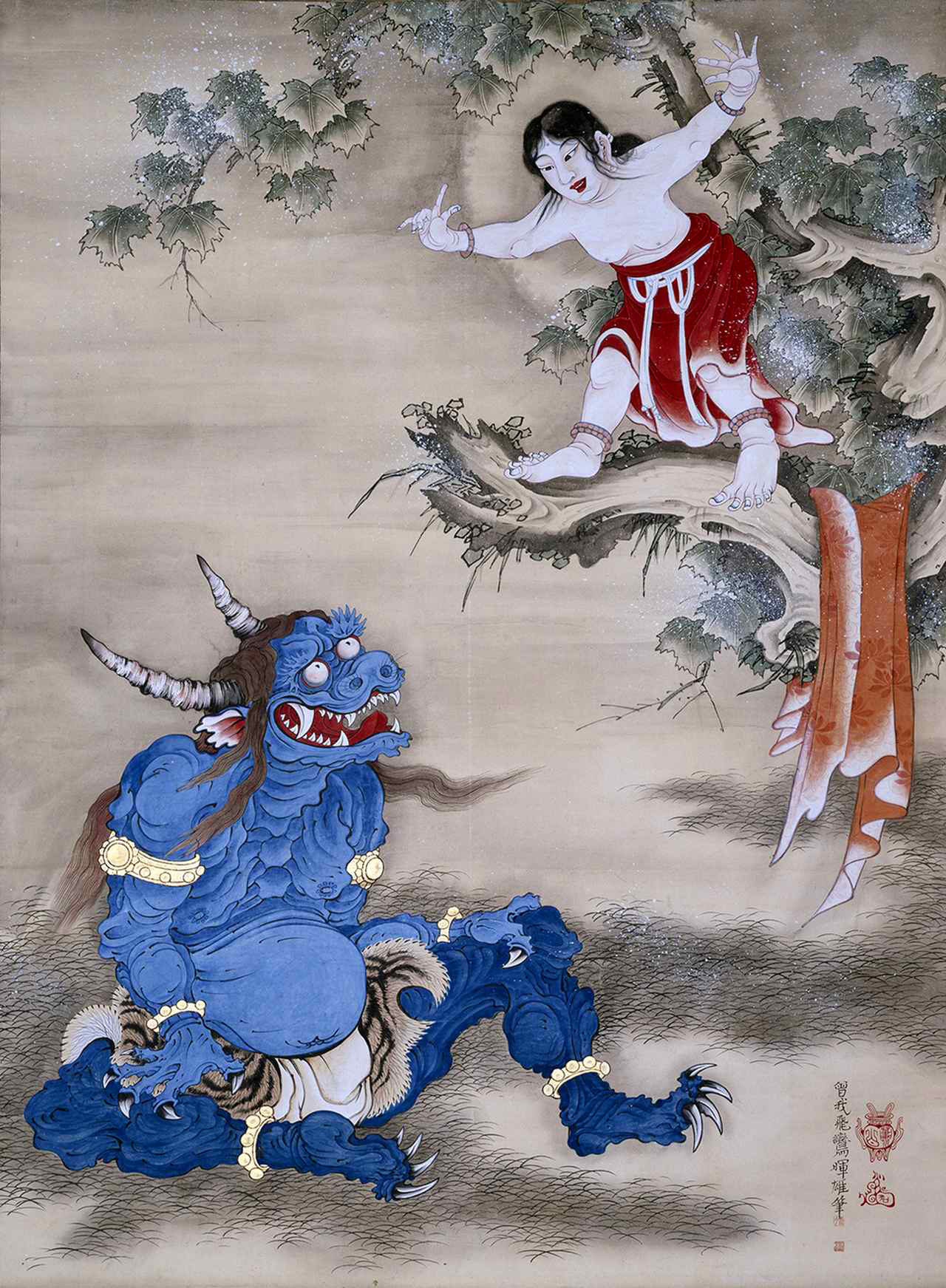
Themes in Japanese painting often revolve around nature, landscapes, flora, fauna, and traditional folklore. Artists draw inspiration from the beauty of the natural world and imbue their works with symbolic meanings that reflect cultural beliefs and spiritual practices.
Techniques and Materials
Nihonga artists employ meticulous techniques such as ink washes, brushwork, and layering to create detailed compositions with subtle nuances of color and texture. Traditional materials like washi paper, silk fabric, and natural pigments are used to achieve a harmonious balance between form and expression.
Influence on Modern Art
The influence of Japanese painting can be seen in contemporary art forms around the world. Artists continue to draw inspiration from Nihonga’s emphasis on craftsmanship, simplicity, and aesthetic refinement, integrating these elements into their own creative practices.
Appreciating Japanese Painting
To fully appreciate the art of Japanese painting is to delve into a world of beauty, tradition, and cultural heritage. Whether exploring historical masterpieces or contemporary interpretations, each brushstroke tells a story that transcends time and space.
Exploring the Timeless Beauty and Influence of Japanese Painting: 7 Key Aspects
- Rich historical roots dating back centuries
- Incorporates themes of nature, landscapes, and traditional folklore
- Symbolic meanings embedded in artistic compositions
- Meticulous techniques like ink washes and brushwork
- Utilizes traditional materials such as washi paper and silk fabric
- Influences modern art forms worldwide
- Emphasis on craftsmanship, simplicity, and aesthetic refinement
Challenges in Japanese Painting: Exploring Limitations and Constraints
- Limited color palette compared to Western painting styles
- Highly detailed techniques can be time-consuming and labor-intensive
- Traditional themes may feel repetitive or outdated to modern audiences
- Language barrier for understanding the cultural significance of certain symbols and motifs
- Strict adherence to traditional rules and conventions may limit artistic freedom
- Difficulty in acquiring authentic materials used in traditional Japanese painting
- Lack of diversity in styles within the Nihonga genre
Rich historical roots dating back centuries
Japanese painting boasts rich historical roots that stretch back centuries, showcasing a deep connection to tradition and cultural heritage. Through the ages, artists have honed their craft using time-honored techniques and materials, preserving the essence of Japanese artistry. This extensive historical lineage not only adds depth and significance to each artwork but also serves as a testament to the enduring legacy of Japanese painting in the artistic landscape.
Incorporates themes of nature, landscapes, and traditional folklore
Japanese painting, with its distinctive charm and allure, showcases a remarkable pro by incorporating themes of nature, landscapes, and traditional folklore. Through intricate brushwork and subtle nuances of color, Japanese artists skillfully depict the beauty of the natural world and capture the essence of serene landscapes. By infusing elements of traditional folklore into their artworks, they not only preserve cultural heritage but also offer viewers a glimpse into the rich tapestry of Japanese mythology and storytelling. This unique blend of themes adds depth and meaning to Japanese painting, inviting audiences to immerse themselves in a world where nature, tradition, and folklore intertwine harmoniously on canvas.
Symbolic meanings embedded in artistic compositions
Symbolic meanings embedded in artistic compositions are a defining pro of Japanese painting, adding layers of depth and significance to each artwork. Through carefully chosen symbols and motifs, Japanese artists convey profound messages, cultural values, and spiritual insights. These symbolic elements not only enhance the visual appeal of the paintings but also invite viewers to contemplate deeper meanings and engage with the rich tapestry of Japanese artistry. By infusing their compositions with symbolic significance, Japanese painters create a multi-dimensional experience that resonates with audiences on both aesthetic and intellectual levels.
Meticulous techniques like ink washes and brushwork
Japanese painting showcases meticulous techniques such as ink washes and brushwork, which are integral to the art form’s unique aesthetic and craftsmanship. By employing these precise methods, artists are able to create intricate compositions with a delicate balance of color, texture, and detail. The use of ink washes allows for subtle gradations of tone and shading, while brushwork adds depth and movement to the artwork. These techniques not only require skill and precision but also embody a deep respect for tradition and a dedication to capturing the essence of the subject matter with finesse and expertise.
Utilizes traditional materials such as washi paper and silk fabric
Japanese painting stands out for its unique utilization of traditional materials such as washi paper and silk fabric, which contribute to the distinctive aesthetic and quality of the artworks. The use of these materials not only reflects a deep-rooted connection to Japanese cultural heritage but also enhances the overall texture, depth, and luminosity of the paintings. Artists skillfully manipulate these materials to create intricate compositions that showcase a harmonious blend of craftsmanship and artistic expression, resulting in visually captivating pieces that embody the essence of Japanese artistic tradition.
Influences modern art forms worldwide
The profound influence of Japanese painting on modern art forms worldwide is undeniable. Through its emphasis on meticulous techniques, symbolic themes, and harmonious compositions, Japanese painting has inspired artists across cultures to explore new creative horizons. The simplicity and aesthetic refinement found in Nihonga have permeated contemporary art practices, shaping the way artists approach form, color, and storytelling. By integrating elements of Japanese painting into their work, artists around the globe pay homage to a tradition that continues to resonate with audiences and transcend artistic boundaries.
Emphasis on craftsmanship, simplicity, and aesthetic refinement
Japanese painting stands out for its emphasis on craftsmanship, simplicity, and aesthetic refinement. Artists meticulously hone their skills to create intricate masterpieces that showcase a deep respect for tradition and attention to detail. The simplicity in composition and use of natural materials reflect a harmonious balance between form and expression, inviting viewers to appreciate the beauty in the subtle nuances of color and texture. This dedication to craftsmanship and aesthetic refinement elevates Japanese painting to a level of artistic sophistication that continues to inspire and captivate audiences worldwide.
Limited color palette compared to Western painting styles
Japanese painting, while renowned for its intricate details and symbolic depth, often faces criticism for its limited color palette in comparison to Western painting styles. The restrained use of colors in Japanese art is a deliberate choice rooted in traditional aesthetics and cultural preferences. By focusing on a more subdued range of hues, Japanese artists emphasize subtlety, harmony, and the interplay of light and shadow to convey emotions and evoke contemplation. While Western painting styles may favor bold and vibrant colors for dramatic effect, Japanese painting embraces a more nuanced approach that invites viewers to appreciate the beauty of simplicity and restraint.
Highly detailed techniques can be time-consuming and labor-intensive
Creating Japanese paintings can be a laborious process due to the highly detailed techniques involved, which require meticulous precision and patience. Artists dedicate extensive time and effort to perfecting each brushstroke and layer of color, resulting in intricate artworks that showcase a remarkable level of craftsmanship. The time-consuming nature of these techniques underscores the dedication and skill required to produce traditional Japanese paintings, highlighting the art form’s commitment to excellence and attention to detail.
Traditional themes may feel repetitive or outdated to modern audiences
Traditional themes in Japanese painting, while deeply rooted in cultural heritage and symbolism, may sometimes come across as repetitive or outdated to modern audiences. The emphasis on nature, landscapes, and folklore, while significant in conveying traditional values and beliefs, may not always resonate with contemporary viewers seeking more diverse or innovative subject matter. As artistic preferences evolve and societal dynamics shift, there is a challenge for Japanese painters to find a balance between honoring tradition and engaging with the changing tastes and perspectives of a modern audience.
Language barrier for understanding the cultural significance of certain symbols and motifs
The language barrier poses a significant challenge when it comes to fully grasping the cultural significance of certain symbols and motifs in Japanese painting. Many traditional Japanese artworks are rich in symbolism, drawing from centuries-old cultural beliefs, mythology, and historical events. Without a deep understanding of the Japanese language and cultural context, viewers may miss out on the intricate layers of meaning embedded in these symbols. This limitation can hinder one’s ability to appreciate the full depth and complexity of Japanese painting, highlighting the importance of cultural education and interpretation in art appreciation.
Strict adherence to traditional rules and conventions may limit artistic freedom
The strict adherence to traditional rules and conventions in Japanese painting can sometimes act as a double-edged sword, as it may inadvertently limit the artist’s freedom for creative expression. While these rules serve to preserve the integrity and authenticity of the art form, they can also constrain innovation and experimentation. Artists may find themselves constrained by the expectations of conformity, making it challenging to break free from established norms and explore new artistic territories. This conundrum highlights the delicate balance between honoring tradition and fostering artistic evolution in the realm of Japanese painting.
Difficulty in acquiring authentic materials used in traditional Japanese painting
The con of traditional Japanese painting lies in the challenge of acquiring authentic materials essential to the art form. The use of specialized materials such as washi paper, mineral pigments, and natural brushes adds a unique quality to Japanese paintings, but sourcing these traditional supplies can be difficult and costly. As modern alternatives become more prevalent, artists may struggle to maintain the authenticity and cultural integrity of their work without access to the original materials that have been integral to the practice for centuries. This limitation highlights the delicate balance between preserving tradition and adapting to contemporary demands in the world of Japanese painting.
Lack of diversity in styles within the Nihonga genre
The con of Japanese painting, specifically within the Nihonga genre, is the lack of diversity in styles. While Nihonga has a rich history and tradition, the adherence to certain techniques and themes has limited the exploration of new artistic expressions. The emphasis on preserving traditional methods and subject matter has resulted in a narrower range of artistic styles within the genre, potentially hindering innovation and creative evolution. This lack of diversity may restrict the ability of artists to fully explore their individual voices and push the boundaries of Japanese painting beyond its established conventions.