The Art of Cat Painting: Capturing Feline Grace and Charm
From ancient Egyptian hieroglyphs to modern-day masterpieces, cats have long been a muse for artists around the world. The elegance, mystery, and playfulness of these enigmatic creatures make them a popular subject for painters seeking to capture their essence on canvas.
Symbolism and Significance
In many cultures, cats are symbols of grace, independence, and intuition. Their sleek bodies, piercing eyes, and agile movements have inspired countless artists to create stunning portrayals that evoke a sense of wonder and admiration. Whether depicted in a realistic style or abstract form, cat paintings often convey a sense of mystery and allure.
Styles and Techniques
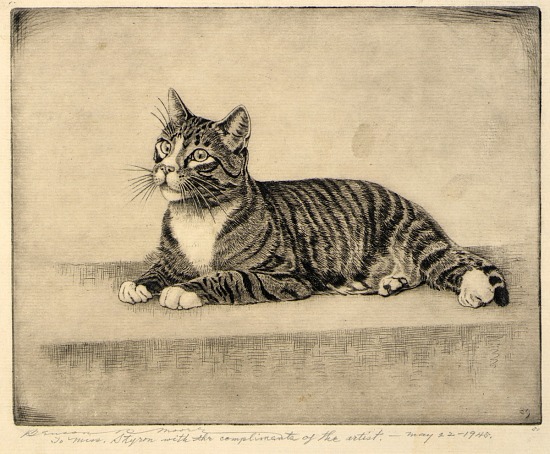
Artists use various styles and techniques to bring cat paintings to life. Some prefer realistic depictions that showcase the intricate details of fur texture and facial expressions, while others opt for abstract interpretations that capture the essence of feline grace through bold colors and fluid lines. Watercolor, oil, acrylic, and mixed media are commonly used mediums to create captivating cat artworks.
Famous Cat Paintings
Throughout art history, numerous renowned painters have immortalized cats in their works. From Leonardo da Vinci’s “Study of Cat Movements” to Henriette Ronner-Knip’s “The Cat at Play,” these masterpieces showcase the diverse interpretations of feline beauty and behavior. Contemporary artists continue to draw inspiration from cats, creating new interpretations that resonate with audiences worldwide.
The Timeless Appeal of Cat Art
Whether you’re a cat lover or an art enthusiast, cat paintings hold a special place in the world of art. They evoke emotions ranging from joy to contemplation, inviting viewers to appreciate the beauty and complexity of these beloved creatures. The enduring popularity of cat art serves as a testament to the timeless charm and allure of feline subjects in the realm of painting.
Mastering Cat Portraits: 5 Essential Tips for Capturing Feline Beauty in Paintings
- Start by sketching the basic outline of the cat to get proportions right.
- Use reference photos to capture the unique features and details of different cat breeds.
- Experiment with different painting techniques such as wet-on-wet or dry brushing for fur textures.
- Pay attention to light and shadow to create depth and dimension in your cat painting.
- Don’t be afraid to add your own artistic flair and interpretation to make your cat painting unique.
Start by sketching the basic outline of the cat to get proportions right.
To create a compelling cat painting, it is essential to start by sketching the basic outline of the cat. This initial step helps ensure that the proportions are accurate and the overall composition of the artwork is well-balanced. By capturing the fundamental shape and form of the cat in the preliminary sketch, artists can lay a solid foundation for adding details and bringing the feline subject to life on canvas. Mastering this crucial stage sets the stage for a successful and visually engaging cat painting that captures the essence of these graceful creatures with precision and artistry.
Use reference photos to capture the unique features and details of different cat breeds.
When creating cat paintings, utilizing reference photos is essential to accurately capture the distinctive features and details of various cat breeds. By studying these reference images, artists can understand the nuances of each breed’s fur patterns, facial structures, and body proportions. This attention to detail ensures that the essence and characteristics of specific cat breeds are faithfully represented in the artwork, allowing for a more authentic and lifelike portrayal of these beloved feline companions.
Experiment with different painting techniques such as wet-on-wet or dry brushing for fur textures.
To enhance the realism and depth of your cat paintings, consider experimenting with various painting techniques such as wet-on-wet or dry brushing to create intricate fur textures. By using these methods, you can achieve a range of effects that mimic the softness, shine, and movement of a cat’s fur, adding a tactile quality to your artwork. Whether you aim for hyper-realistic detail or a more expressive interpretation, exploring different techniques can elevate your cat paintings and bring them to life in captivating ways.
Pay attention to light and shadow to create depth and dimension in your cat painting.
When painting a cat, it is essential to pay close attention to light and shadow to enhance the depth and dimension of your artwork. By carefully observing how light interacts with the cat’s fur and form, you can create a sense of realism and bring your painting to life. Shadows can define contours and add texture, while highlights can accentuate features and create a three-dimensional effect. Mastering the interplay of light and shadow in your cat painting will elevate the overall composition and make your feline subject appear more dynamic and lifelike.
Don’t be afraid to add your own artistic flair and interpretation to make your cat painting unique.
When creating a cat painting, it’s important not to be afraid to infuse your own artistic flair and interpretation into the piece. By adding your unique touch, whether through color choices, brush strokes, or composition, you can make your cat painting truly one-of-a-kind. Embrace creativity and let your imagination guide you in capturing the essence of feline grace and charm in a way that reflects your personal style and vision.