The Captivating Art of Albert Bierstadt
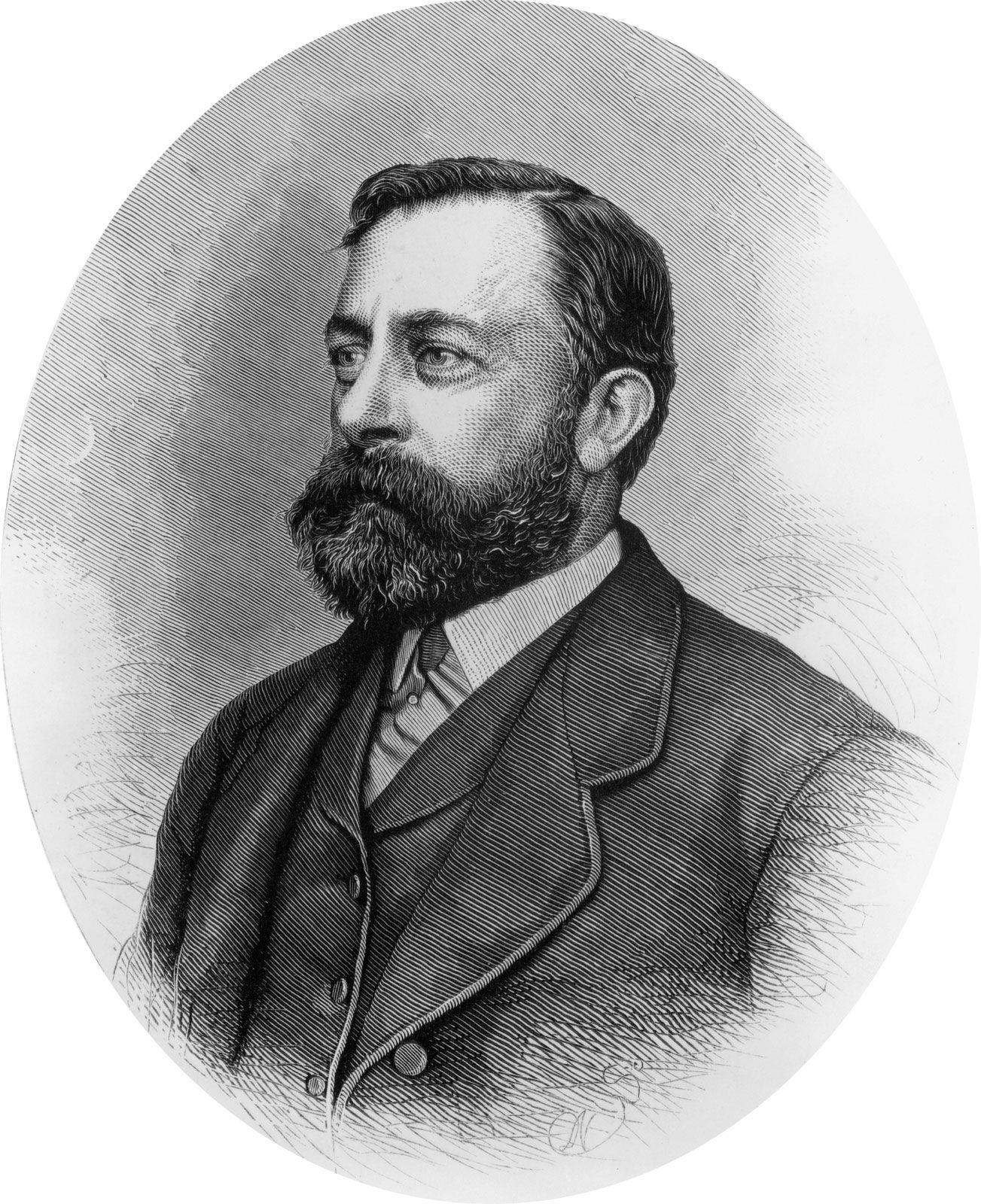
Albert Bierstadt, a renowned 19th-century American artist, is celebrated for his breathtaking landscape paintings that capture the beauty and grandeur of the American West. Born in Germany in 1830, Bierstadt immigrated to the United States with his family at a young age and later became one of the most prominent painters of the American frontier.
Bierstadt’s artistic talent and passion for nature are evident in his iconic works such as “The Rocky Mountains, Lander’s Peak” and “Yosemite Valley.” His mastery of light, color, and detail brings to life majestic mountains, serene lakes, and vast expanses of wilderness, transporting viewers to a world of awe-inspiring beauty.
Known for his large-scale canvases that evoke a sense of wonder and admiration, Bierstadt’s paintings often depict dramatic landscapes bathed in golden light or shrouded in misty atmospheres. His keen eye for capturing the sublime beauty of nature has earned him a lasting legacy as one of America’s greatest landscape painters.
Throughout his career, Bierstadt embarked on several expeditions to the Western United States, where he sketched and painted en plein air to capture the essence and spirit of the untamed wilderness. His travels inspired him to create masterpieces that not only showcase the physical grandeur of the American West but also convey a sense of spiritual reverence for nature.
Albert Bierstadt’s legacy continues to inspire artists and art enthusiasts around the world. His timeless paintings serve as a testament to the enduring power of art to evoke emotion, provoke thought, and connect us with the natural world. Through his work, Bierstadt invites us to appreciate the beauty and diversity of our planet and reminds us of the importance of preserving its wonders for future generations.
Exploring Albert Bierstadt: Philosophy, Impact, Artistic Style, and Body of Work
- What was Albert Bierstadt’s philosophy?
- What was the impact of Albert Bierstadt?
- What style did Albert Bierstadt paint?
- How many paintings did Albert Bierstadt make?
What was Albert Bierstadt’s philosophy?
Albert Bierstadt’s philosophy as an artist was deeply rooted in his reverence for nature and his belief in the transformative power of art. He viewed the natural world as a source of spiritual inspiration and sought to capture its grandeur and beauty through his paintings. Bierstadt’s philosophy emphasized the importance of immersing oneself in nature to truly appreciate its magnificence and to connect with the divine essence that permeates all living things. Through his work, he aimed to evoke a sense of awe and wonder in viewers, inviting them to contemplate the mysteries of the universe and their place within it. Bierstadt’s art reflects a harmonious blend of realism and romanticism, showcasing his profound respect for the natural world and his desire to convey its timeless splendor to future generations.
What was the impact of Albert Bierstadt?
Albert Bierstadt’s impact on the art world was profound and enduring. As one of the leading figures of the Hudson River School, his meticulous attention to detail, mastery of light and color, and ability to capture the grandeur of the American landscape revolutionized American landscape painting. Bierstadt’s monumental canvases not only inspired awe and admiration but also played a significant role in shaping public perceptions of the American West during the 19th century. His paintings served as visual records of unexplored territories, fueling public interest in westward expansion and contributing to the romanticized vision of the frontier as a pristine wilderness waiting to be explored. Bierstadt’s legacy lives on through his iconic works that continue to captivate audiences with their beauty and evoke a sense of wonder for the natural world.
What style did Albert Bierstadt paint?
Albert Bierstadt was known for painting in the style of the Hudson River School, a 19th-century American art movement that focused on romanticized depictions of landscapes. His paintings often showcased dramatic scenes of the American West, characterized by luminous lighting, meticulous detail, and a sense of awe-inspiring grandeur. Bierstadt’s style combined elements of realism and romanticism, emphasizing the sublime beauty of nature and capturing the vastness and majesty of untamed wilderness. His works are celebrated for their rich colors, intricate compositions, and emotional impact, making him a prominent figure in the history of American landscape painting.
How many paintings did Albert Bierstadt make?
Albert Bierstadt, the renowned 19th-century American artist known for his captivating landscape paintings, created a significant body of work during his prolific career. While the exact number of paintings attributed to Bierstadt may vary due to factors such as lost or undiscovered artworks, it is estimated that he produced hundreds of paintings throughout his lifetime. Bierstadt’s oeuvre includes iconic masterpieces that showcase his mastery of light, color, and detail in capturing the grandeur of the American West, leaving a lasting legacy in the world of art.