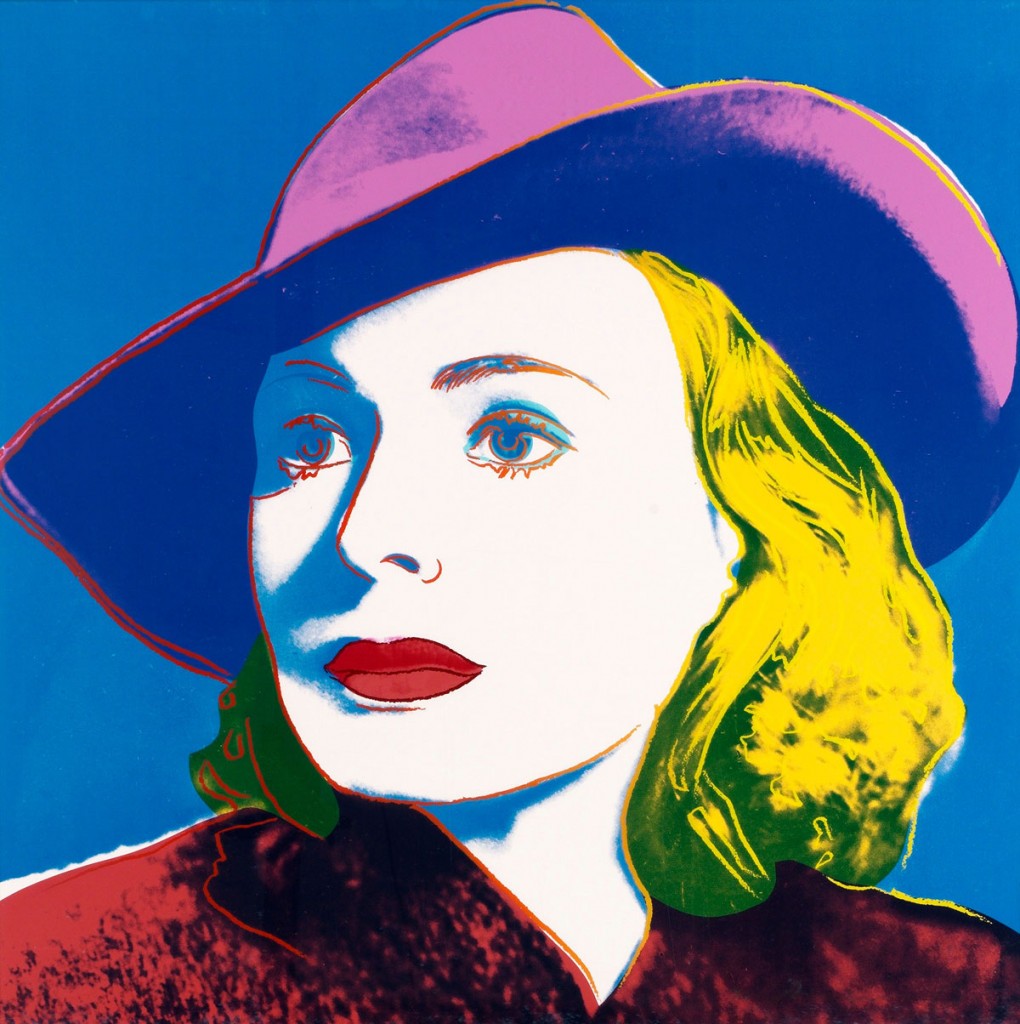
The Iconic Art of Andy Warhol
Andy Warhol, a leading figure in the Pop Art movement, is renowned for his vibrant and iconic paintings that have left an indelible mark on the art world. His unique approach to art, blending commercialism with creativity, revolutionized the way we perceive and appreciate modern art.
The Birth of Pop Art
Andy Warhol’s exploration of popular culture and consumerism gave birth to the Pop Art movement in the 1960s. His bold and colorful paintings of everyday objects, celebrities, and cultural icons challenged traditional notions of art and paved the way for a new era of artistic expression.
Exploring Themes of Fame and Consumerism
Warhol’s most famous works often revolved around themes of fame, consumerism, and mass production. His iconic portraits of celebrities like Marilyn Monroe and Elvis Presley captured the essence of celebrity culture while his Campbell’s Soup Can series turned mundane objects into high art.
The Technique Behind the Art
Warhol’s distinctive artistic technique involved using silk-screen printing to create multiple versions of the same image, emphasizing repetition and mass production. This method not only reflected his fascination with consumer culture but also challenged traditional notions of originality in art.
A Lasting Legacy
Andy Warhol’s influence on contemporary art is undeniable. His innovative approach to art continues to inspire artists around the world to push boundaries, experiment with new techniques, and explore themes that resonate with modern society. Through his paintings, Warhol immortalized pop culture icons and left a lasting legacy that transcends time.
Andy Warhol’s paintings remain as relevant today as they were during his lifetime, continuing to captivate audiences with their bold colors, striking imagery, and thought-provoking themes. His work serves as a testament to the power of art to challenge conventions, provoke thought, and inspire change.
Andy Warhol: Revolutionizing Art with Bold Colors and Iconic Pop Culture Imagery
- Iconic representations of popular culture
- Bold and vibrant colors that captivate the eye
- Revolutionized the art world with his unique style
- Challenged traditional notions of art and originality
- Innovative use of silk-screen printing technique
- Captured the essence of fame and consumerism
- Timeless artworks that remain relevant today
- Inspired a new generation of artists to experiment with new techniques
- Immortalized pop culture icons in a distinctive way
Critiques of Andy Warhol: Consumerism, Commodification, and Perceived Superficiality in Art
- Some critics argue that Warhol’s focus on consumerism and mass production devalues the traditional concept of art as a unique and personal expression.
- The commercialization of Warhol’s art, including the mass reproduction of his works on various merchandise, has led to concerns about the commodification of art and its original intent.
- Warhol’s repetitive use of images and themes in his paintings has been criticized for lacking depth and emotional resonance, with some viewing his work as superficial or shallow.
Iconic representations of popular culture
Andy Warhol’s paintings stand out as iconic representations of popular culture, capturing the essence of celebrity, consumerism, and everyday objects in a way that is both visually striking and conceptually profound. Through his vibrant and bold portrayals of cultural icons like Marilyn Monroe and Campbell’s Soup Cans, Warhol transformed mundane subjects into symbols of artistic significance. His ability to elevate ordinary images to the status of high art not only challenged traditional notions of what constitutes art but also celebrated the beauty and complexity of the world around us. Warhol’s iconic representations of popular culture continue to resonate with audiences today, serving as a timeless reminder of the power of art to reflect, critique, and shape society.
Bold and vibrant colors that captivate the eye
Andy Warhol’s paintings are celebrated for their bold and vibrant colors that effortlessly captivate the eye. His masterful use of color creates a visual impact that is both striking and mesmerizing, drawing viewers into a world of vivid hues and dynamic contrasts. Warhol’s ability to manipulate color with such boldness and confidence not only enhances the aesthetic appeal of his artworks but also evokes a sense of energy and excitement, making his paintings truly unforgettable and timeless in their allure.
Revolutionized the art world with his unique style
Andy Warhol revolutionized the art world with his unique style, which blended elements of commercialism, mass production, and popular culture into his iconic paintings. By challenging traditional artistic norms and embracing everyday objects and celebrities as subjects, Warhol transformed the way art was perceived and appreciated. His innovative approach not only pushed the boundaries of creativity but also inspired a new generation of artists to explore unconventional techniques and themes in their work. Warhol’s influence continues to resonate in the contemporary art scene, showcasing the enduring impact of his revolutionary artistic vision.
Challenged traditional notions of art and originality
Andy Warhol’s paintings challenged traditional notions of art and originality by embracing mass production techniques and blurring the lines between high art and popular culture. Through his innovative use of silk-screen printing and repetition, Warhol questioned the idea of a singular, unique artwork, instead creating multiple versions of the same image. This approach not only democratized art by making it more accessible and reproducible but also sparked a conversation about the nature of authenticity and value in the art world. Warhol’s bold exploration of these concepts continues to influence contemporary artists and redefine our understanding of what constitutes art.
Innovative use of silk-screen printing technique
Andy Warhol’s innovative use of the silk-screen printing technique revolutionized the art world by challenging traditional notions of originality and mass production. By employing this method, Warhol was able to create multiple versions of the same image with ease, emphasizing repetition and uniformity in his artwork. This approach not only reflected his fascination with consumer culture but also blurred the lines between fine art and commercial design. The silk-screen printing technique allowed Warhol to experiment with color, composition, and scale in ways that were previously unexplored, ultimately contributing to the iconic and timeless quality of his paintings.
Captured the essence of fame and consumerism
Andy Warhol’s paintings uniquely captured the essence of fame and consumerism, offering a thought-provoking commentary on the celebrity culture and commercialism of his time. Through his vibrant portraits of iconic figures and everyday objects, Warhol not only celebrated the allure of fame but also critiqued the pervasive influence of consumer culture on society. His art served as a mirror reflecting the interconnectedness of fame and consumerism, inviting viewers to contemplate the impact of mass media and advertising in shaping our perceptions and values. Warhol’s ability to encapsulate these themes in his paintings remains a testament to his artistic vision and enduring relevance in today’s society.
Timeless artworks that remain relevant today
Andy Warhol’s paintings are timeless artworks that continue to resonate and remain relevant in the contemporary art world. His iconic pieces, characterized by bold colors, striking imagery, and innovative techniques, transcend the boundaries of time and cultural shifts. Warhol’s exploration of themes such as consumerism, fame, and mass production speaks to universal experiences that are as pertinent today as they were during his time. The enduring appeal of Warhol’s art lies in its ability to provoke thought, challenge conventions, and inspire creativity across generations, making his work a lasting legacy that continues to captivate audiences worldwide.
Inspired a new generation of artists to experiment with new techniques
Andy Warhol’s innovative approach to art and his groundbreaking use of techniques such as silk-screen printing have inspired a new generation of artists to push the boundaries of traditional art forms. By challenging conventions and exploring unconventional methods, Warhol paved the way for artists to experiment with new techniques, materials, and concepts. His influence continues to resonate in contemporary art, encouraging artists to embrace creativity, originality, and innovation in their work. Warhol’s legacy as a trailblazer in the art world has sparked a wave of experimentation and exploration among artists seeking to break free from traditional norms and redefine the possibilities of artistic expression.
Immortalized pop culture icons in a distinctive way
Andy Warhol’s paintings have the remarkable ability to immortalize pop culture icons in a truly distinctive manner. Through his unique artistic vision and innovative techniques, Warhol captured the essence of celebrities, cultural figures, and everyday objects in a way that transcended mere representation. His bold use of color, repetition, and iconic imagery not only celebrated these pop culture icons but also elevated them to a status of artistic significance, ensuring that they would be forever remembered and revered in the annals of art history.
Some critics argue that Warhol’s focus on consumerism and mass production devalues the traditional concept of art as a unique and personal expression.
Some critics argue that Andy Warhol’s emphasis on consumerism and mass production in his paintings undermines the traditional notion of art as a singular and intimate form of expression. By employing techniques such as silk-screen printing to create multiple copies of his works, Warhol blurred the lines between originality and reproduction, challenging the authenticity and individuality typically associated with art. This departure from conventional artistic practices has led some to question the true artistic value and emotional depth of Warhol’s pieces, suggesting that they prioritize commercial appeal over genuine creative expression.
The commercialization of Warhol’s art, including the mass reproduction of his works on various merchandise, has led to concerns about the commodification of art and its original intent.
The commercialization of Andy Warhol’s art, exemplified by the mass reproduction of his works on a wide range of merchandise, has raised significant concerns regarding the commodification of art and its true essence. While Warhol himself embraced the intersection of art and commerce, critics argue that the widespread availability of his works on products like t-shirts, mugs, and posters may dilute the authenticity and impact of his original artistic vision. This commodification blurs the line between high art and consumer goods, potentially overshadowing the deeper messages and cultural commentary embedded within Warhol’s paintings.
Warhol’s repetitive use of images and themes in his paintings has been criticized for lacking depth and emotional resonance, with some viewing his work as superficial or shallow.
Warhol’s repetitive use of images and themes in his paintings has faced criticism for its perceived lack of depth and emotional resonance. Some critics argue that his emphasis on mass production and commercialism results in artworks that are superficial or shallow, lacking the profound emotional impact typically associated with traditional art. While Warhol’s iconic style and bold approach to art have garnered widespread recognition, detractors maintain that his repetitive techniques may overshadow the potential for deeper meaning and complexity within his work, sparking debates about the true artistic value of his creations.