Art in a Global World
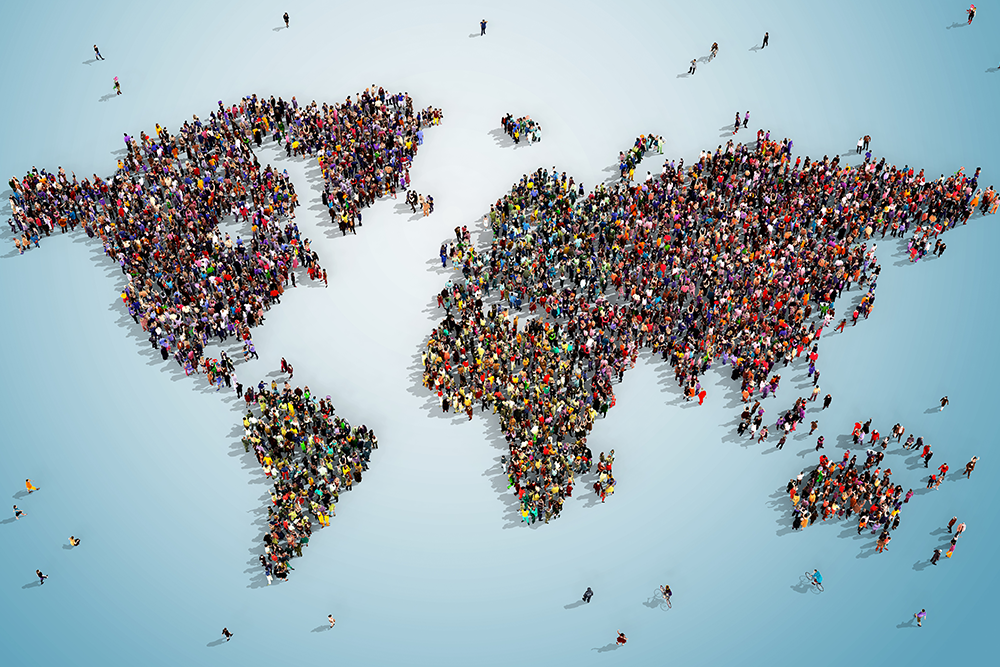
Art has always travelled across borders. Through trade, migration, communication and shared histories, ideas and creative traditions have moved between communities, shaping how people see and interpret the world. Today, digital platforms and international exhibitions make this exchange more visible than ever.
Different perspectives, shared questions
A global approach to art does not mean that every culture or artist speaks with one voice. Instead, it brings distinct perspectives into conversation. An artwork may reflect the place where it was made while also exploring subjects that resonate elsewhere, such as identity, memory, belonging, change and the relationship between people and their surroundings.
Encountering art from different parts of the world can challenge familiar assumptions. It can reveal how the same subject is understood in different ways, and how individual experiences are shaped by history, community and place. This exchange invites audiences to look more closely and to remain open to interpretations beyond their own.
Connection in a changing world
Globalisation has created new opportunities for artists to share their work and connect with audiences internationally. Online collections, virtual exhibitions and social media can introduce people to creative practices they might not otherwise encounter. At the same time, galleries, museums and cultural organisations continue to offer spaces for people to experience works together.
These connections also raise important questions. How can art be shared widely while respecting its cultural context? Who tells the stories behind an artwork, and whose perspectives are represented? Thoughtful engagement recognises that global exchange is most meaningful when it makes room for complexity, dialogue and mutual respect.
Why global perspectives matter
Art can help people find common ground without erasing difference. A work created in one context may prompt reflection in another, not because its meaning is identical everywhere, but because it opens a space for curiosity and conversation. In this way, art contributes to a richer understanding of the connections between people and places.
In an increasingly interconnected world, global perspectives broaden the ways audiences encounter creativity. They encourage us to look beyond familiar boundaries, consider multiple viewpoints and recognise the value of cultural exchange. The result is not a single, universal story, but a more expansive conversation—one shaped by many voices.
8 Simple Tips for Becoming a Better Global Citizen
- Stay curious about cultures beyond your own.
- Check news from several reliable global sources.
- Learn a few words in another language.
- Choose products made with fair working conditions.
- Reduce waste to help protect the planet.
- Respect local customs when travelling.
- Support efforts that improve global health and education.
- Think about how everyday choices affect people worldwide.
Stay curious about cultures beyond your own.
Stay curious about cultures beyond your own by exploring their art, stories, traditions and perspectives with openness and respect. Listen to people’s experiences, seek reliable sources and be willing to question assumptions. Curiosity can deepen understanding, reveal unexpected connections and help build more thoughtful relationships across cultures.
Check news from several reliable global sources.
Check news from several reliable global sources to build a broader understanding of events and avoid relying on a single perspective. Compare how reputable outlets report the same story, check the date and context, and look for evidence that supports key claims. This can help you spot gaps or differing interpretations and form a more balanced view of what is happening around the world.
Learn a few words in another language.
Learning a few words in another language is a simple way to connect with people around the world. Start with everyday phrases such as “hello”, “please” and “thank you”, and take time to practise their pronunciation. Even a small effort can show respect for another culture, make travel more rewarding and open the door to friendly conversations.
Choose products made with fair working conditions.
Choose products made under fair working conditions to support the people behind the things you buy. Look for trusted labels and clear information about how items are produced, and favour businesses that value safe workplaces, fair pay and workers’ rights. Even small, thoughtful choices can encourage more responsible practices across global supply chains.
Reduce waste to help protect the planet.
Reducing waste is a simple way to help protect the planet. Choose reusable bags, bottles and containers, avoid unnecessary packaging, and repair or donate items instead of throwing them away. Recycling and composting can also keep valuable materials out of landfill. Small, thoughtful choices made every day can add up to a meaningful difference for the global environment.
Respect local customs when travelling.
When travelling, take time to learn about and respect local customs. A little research into greetings, dress, dining etiquette and important cultural practices can help avoid misunderstandings and show consideration for the people you meet. Customs vary from place to place, so observe, listen and ask politely when unsure. Being open-minded and respectful can make your travels more rewarding and help create positive connections across cultures.
Support efforts that improve global health and education.
Supporting efforts that improve global health and education can make a lasting difference in people’s lives around the world. Access to reliable healthcare, clean water and quality education helps individuals and communities thrive, while reducing inequality and creating more opportunities for future generations. You can contribute by supporting trusted organisations, sharing accurate information, volunteering or encouraging local initiatives that connect with global causes.
Think about how everyday choices affect people worldwide.
Think about how everyday choices can affect people around the world. The food we buy, the clothes we wear and the products we use may be connected to workers, communities and environments in other countries. Choosing responsibly sourced goods, reducing waste and supporting fair practices are small steps that can contribute to a more positive global impact.