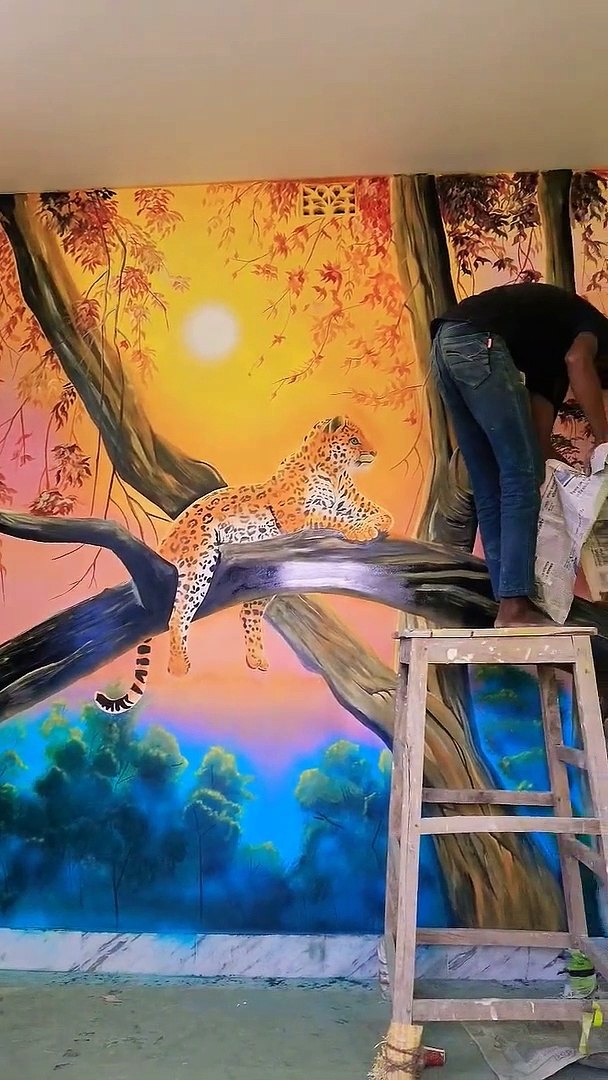
The Role of Innovation in Visual Art
Visual art has always been a reflection of human creativity, emotions, and perspectives. Throughout history, artists have continuously pushed the boundaries of traditional art forms through innovation. It is this spirit of innovation that breathes life into visual art, allowing it to evolve and thrive in an ever-changing world.
Breaking the Molds
Innovation in visual art involves breaking away from conventional norms and exploring new techniques, materials, and concepts. Artists who dare to think outside the box and challenge the status quo are often the ones who make a lasting impact on the art world. By experimenting with different styles and approaches, they bring fresh perspectives and originality to their work.
Embracing Technology
Technology has played a significant role in revolutionizing visual art. From digital art to interactive installations, artists are leveraging technology to create immersive experiences that engage audiences in new ways. The fusion of art and technology not only expands the possibilities for artistic expression but also opens up avenues for collaboration and innovation.
Capturing the Zeitgeist
Innovation in visual art is closely linked to capturing the spirit of the times – the zeitgeist. Artists often draw inspiration from current events, social issues, and cultural movements to create artworks that resonate with contemporary audiences. By staying attuned to the pulse of society, artists can infuse their work with relevance and meaning.
Pushing Boundaries
One of the most exciting aspects of innovation in visual art is its ability to push boundaries and challenge preconceived notions. Artists who are unafraid to experiment with unconventional ideas or unconventional mediums can spark dialogue, provoke thought, and inspire change. By pushing beyond comfort zones, artists can discover new possibilities for creative expression.
The Ever-Evolving Landscape
Visual art is a dynamic field that thrives on innovation and reinvention. As artists continue to explore new frontiers and push artistic boundaries, visual art remains a vibrant source of inspiration and creativity for generations to come. Innovation truly is the source of life for visual art, breathing vitality into its rich tapestry of colors, shapes, and emotions.
8 Essential Tips for Harnessing Innovation as the Lifeblood of Visual Art
- Embrace new technologies to expand creative possibilities.
- Experiment with unconventional materials and techniques.
- Draw inspiration from diverse cultures and historical art movements.
- Collaborate with other artists to blend different perspectives.
- Challenge traditional norms to create unique visual narratives.
- Stay informed about contemporary trends in the art world.
- Encourage feedback from a variety of audiences for fresh insights.
- Continuously learn and adapt to keep creativity flowing.
Embrace new technologies to expand creative possibilities.
Embracing new technologies is essential for expanding creative possibilities in visual art. By integrating cutting-edge tools and digital platforms into their artistic practice, artists can unlock a world of innovative techniques and interactive experiences. Whether exploring virtual reality, digital painting software, or multimedia installations, embracing technology allows artists to push the boundaries of traditional art forms and engage audiences in exciting new ways. This fusion of art and technology not only enhances the artist’s creative process but also offers endless opportunities for experimentation and collaboration, ultimately enriching the ever-evolving landscape of visual art.
Experiment with unconventional materials and techniques.
To truly harness the power of innovation as the lifeblood of visual art, artists must be willing to explore uncharted territories by experimenting with unconventional materials and techniques. By stepping outside the boundaries of traditional mediums, artists can unlock new realms of creativity and expression, breathing fresh life into their work. Embracing the unknown and pushing the limits of what is deemed possible in art can lead to groundbreaking discoveries and transformative artistic experiences that captivate audiences and redefine the artistic landscape.
Draw inspiration from diverse cultures and historical art movements.
Drawing inspiration from diverse cultures and historical art movements is a powerful tip for fostering innovation in visual art. By exploring the rich tapestry of different cultures and studying the evolution of art through history, artists can infuse their work with a depth of perspective and a sense of interconnectedness. Embracing diverse influences allows artists to create unique and original pieces that transcend boundaries and resonate with a global audience. This cross-pollination of ideas and styles not only enriches the artistic process but also contributes to the continuous evolution and vitality of visual art.
Collaborate with other artists to blend different perspectives.
Collaborating with other artists to blend different perspectives is a powerful tip that underscores the importance of innovation in visual art. By joining forces with fellow creatives, artists can tap into a diverse range of ideas, styles, and techniques, enriching their own artistic vision. Through collaboration, artists can break down boundaries, exchange insights, and create synergies that lead to fresh and dynamic artworks. This collaborative approach not only fosters creativity but also fosters a sense of community and shared exploration, ultimately enhancing the vitality and richness of visual art.
Challenge traditional norms to create unique visual narratives.
To create unique visual narratives, artists must challenge traditional norms and embrace innovation in their artistic endeavors. By breaking away from conventional techniques and exploring new avenues of expression, artists can infuse their work with fresh perspectives and originality. This willingness to push boundaries and think outside the box not only allows artists to create visually captivating pieces but also enables them to tell compelling stories that resonate with audiences on a deeper level. Embracing innovation as the source of life for visual art opens up endless possibilities for creativity and reinvention in the ever-evolving landscape of artistic expression.
Stay informed about contemporary trends in the art world.
To truly harness the power of innovation as the lifeblood of visual art, it is essential to stay informed about contemporary trends in the art world. By keeping abreast of the latest developments, emerging artists, and evolving techniques, artists can draw inspiration from diverse sources and infuse their work with fresh perspectives. Understanding contemporary trends not only enriches artistic practice but also fosters a sense of connection to the broader artistic community, enabling artists to contribute meaningfully to the ongoing dialogue in visual art.
Encourage feedback from a variety of audiences for fresh insights.
Encouraging feedback from a diverse range of audiences is a powerful way to infuse innovation into visual art. By seeking input from individuals with varying perspectives, backgrounds, and experiences, artists can gain fresh insights that challenge their own assumptions and inspire new creative directions. Embracing feedback not only fosters a sense of inclusivity and collaboration but also ensures that artworks resonate with a broader audience, enriching the artistic process and enhancing the impact of the final creations.
Continuously learn and adapt to keep creativity flowing.
To keep creativity flowing in visual art, it is essential to continuously learn and adapt. Embracing a mindset of lifelong learning allows artists to stay abreast of new techniques, trends, and technologies that can inspire fresh ideas and approaches. By being open to change and willing to adapt their artistic practice, artists can nurture their creativity and push the boundaries of innovation in visual art. This commitment to growth and evolution is key to sustaining a vibrant and dynamic artistic practice that thrives on innovation.