The Evolution of Contemporary Sculpture
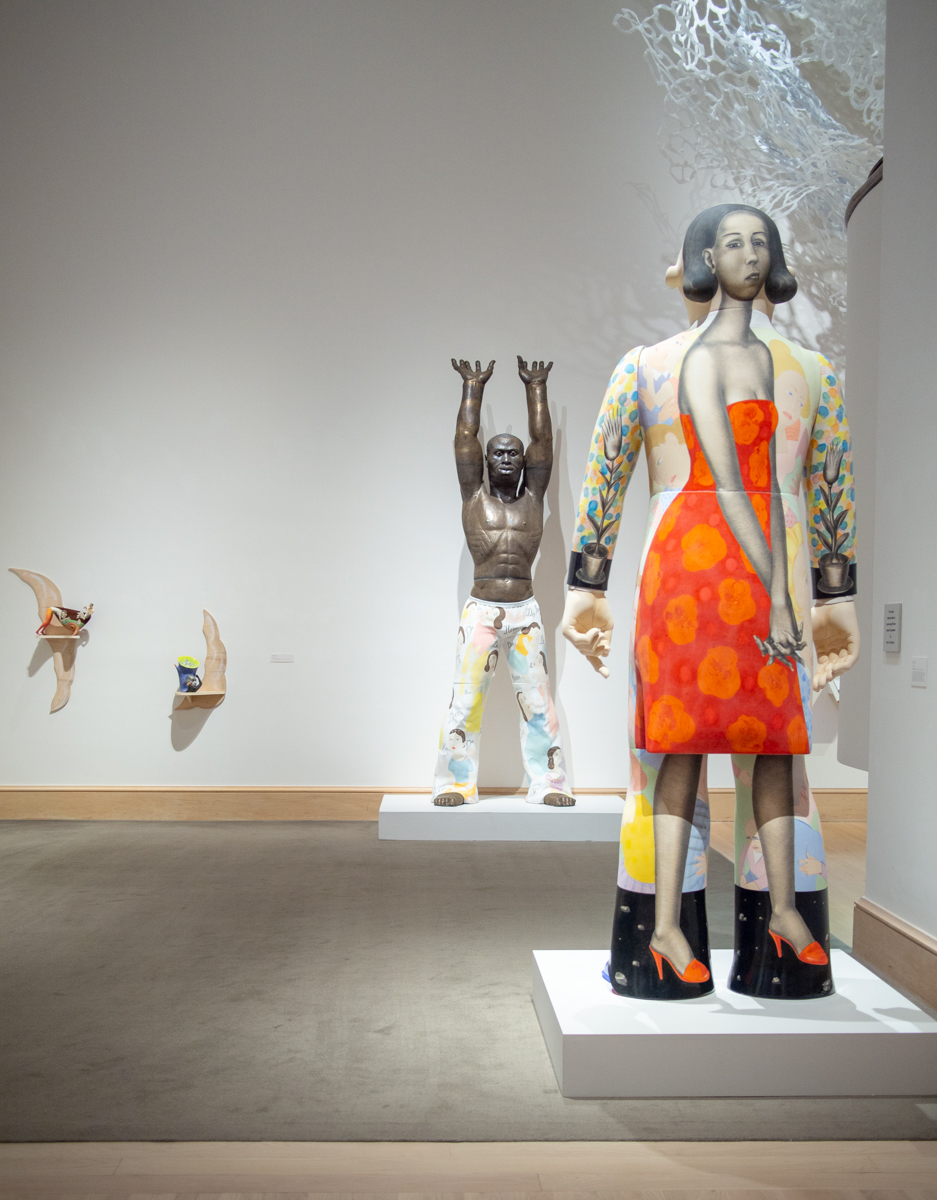
Contemporary sculpture is a dynamic and diverse art form that has evolved significantly in recent decades. From traditional materials like stone and metal to unconventional mediums such as plastic, glass, and even light, contemporary sculptors are pushing the boundaries of what defines sculpture.
Diversity in Form and Concept
One of the defining characteristics of contemporary sculpture is its diversity in form and concept. Artists are exploring new ways to engage with space, materiality, and the viewer’s experience. Sculptures range from large-scale installations that transform entire environments to intimate pieces that invite close inspection.
Exploration of Materials
Contemporary sculptors are not limited by traditional materials or techniques. They experiment with a wide range of materials, incorporating found objects, recycled materials, and cutting-edge technologies into their work. This exploration of materials allows artists to challenge conventions and create innovative sculptures that blur the line between art and everyday objects.
Social Commentary and Political Statements
Many contemporary sculptors use their work as a platform for social commentary and political statements. Through their sculptures, artists address pressing issues such as climate change, social inequality, and human rights abuses. By engaging with these important topics, sculptors provoke thought and spark conversations about the world we live in.
Interactive and Participatory Artworks
Some contemporary sculptors create interactive or participatory artworks that invite viewers to engage with the piece physically or emotionally. These sculptures break down the barrier between artist and audience, encouraging active participation and dialogue. By involving viewers in the artistic process, these sculptures create immersive experiences that resonate on a personal level.
Conclusion
Contemporary sculpture continues to evolve as artists explore new forms, materials, and concepts. With its diversity, innovation, and engagement with pressing issues, contemporary sculpture offers a rich tapestry of artistic expression that challenges our perceptions and expands our understanding of what sculpture can be.
Understanding Contemporary Sculpture: Key Concepts, Evolution, Materials, Themes, Technology, Notable Artists, and Viewer Engagement
- What is contemporary sculpture?
- How has contemporary sculpture evolved over time?
- What materials are commonly used in contemporary sculpture?
- What themes or concepts do contemporary sculptors explore?
- How do contemporary sculptors incorporate technology into their work?
- Are there any famous contemporary sculptors known for their innovative work?
- How can viewers engage with and interpret contemporary sculptures?
What is contemporary sculpture?
Contemporary sculpture is a dynamic and ever-evolving art form that reflects the artistic expressions and cultural influences of the present day. Unlike traditional sculpture, contemporary sculpture encompasses a wide range of materials, techniques, and conceptual approaches. It goes beyond the boundaries of classical forms and explores new dimensions of creativity, often blurring the lines between art and everyday objects. Contemporary sculptors draw inspiration from diverse sources, including social issues, technology, nature, and personal experiences, creating artworks that challenge conventions and provoke thought. In essence, contemporary sculpture is a reflection of the current artistic landscape, constantly pushing boundaries and redefining what sculpture means in the modern world.
How has contemporary sculpture evolved over time?
The evolution of contemporary sculpture over time has been marked by a shift towards experimentation with diverse materials, forms, and concepts. From traditional sculptural techniques to innovative approaches that incorporate technology and unconventional materials, contemporary sculptors have pushed the boundaries of what defines sculpture. This evolution has led to a greater emphasis on social commentary, interactive experiences, and the exploration of new ways to engage with space and the viewer. As a result, contemporary sculpture has become a dynamic and multifaceted art form that continues to challenge conventions and inspire audiences worldwide.
What materials are commonly used in contemporary sculpture?
In contemporary sculpture, artists often utilize a diverse range of materials to bring their creative visions to life. While traditional materials like stone, metal, and wood remain popular choices, contemporary sculptors also experiment with unconventional mediums such as plastic, glass, fabric, and even organic materials like plants and food. Found objects and recycled materials are frequently incorporated into sculptures, adding layers of meaning and sustainability to the artwork. Additionally, advancements in technology have expanded the possibilities for materials used in contemporary sculpture, with artists incorporating elements like light, sound, and interactive components into their creations. This eclectic mix of materials reflects the innovative spirit of contemporary sculpture and allows artists to push the boundaries of traditional sculptural practices.
What themes or concepts do contemporary sculptors explore?
Contemporary sculptors explore a wide range of themes and concepts in their work, reflecting the complexities of the modern world. Some common themes include identity, memory, and the human experience. Many sculptors delve into social and political issues, addressing topics such as environmental degradation, cultural diversity, and social justice. Others draw inspiration from nature, technology, or historical events to create sculptures that provoke thought and emotion. By exploring these diverse themes and concepts, contemporary sculptors challenge viewers to engage with art in new and meaningful ways, sparking conversations and reflections on the world around us.
How do contemporary sculptors incorporate technology into their work?
Contemporary sculptors incorporate technology into their work in various innovative ways to push the boundaries of traditional sculpture. Some artists utilize digital design software and 3D printing technology to create intricate and complex sculptural forms that would be challenging or impossible to achieve by hand. Others incorporate interactive elements such as sensors, lights, or sound components into their sculptures, creating immersive and dynamic experiences for viewers. Additionally, some sculptors use technology as a medium itself, exploring the relationship between art and technology in a rapidly changing world. By integrating technology into their practice, contemporary sculptors are able to explore new possibilities and redefine the boundaries of what sculpture can encompass in the modern era.
Are there any famous contemporary sculptors known for their innovative work?
In the realm of contemporary sculpture, there are several renowned artists celebrated for their innovative and groundbreaking work. One such sculptor is Anish Kapoor, known for his monumental and thought-provoking installations that play with scale, form, and perception. Another prominent figure is Ai Weiwei, whose politically charged sculptures challenge societal norms and advocate for human rights. Additionally, Rachel Whiteread’s exploration of negative space and casting techniques has earned her international acclaim. These famous contemporary sculptors continue to push boundaries, inspire new generations of artists, and leave a lasting impact on the world of sculpture.
How can viewers engage with and interpret contemporary sculptures?
Viewers can engage with and interpret contemporary sculptures by immersing themselves in the artwork and exploring its various elements. By observing the sculpture from different angles, noticing its textures, shapes, and colors, viewers can form their own interpretations based on their personal experiences and perspectives. It is essential to approach contemporary sculptures with an open mind and a willingness to engage with the artist’s intention behind the piece. Through active observation, reflection, and dialogue with others, viewers can deepen their understanding of the artwork and appreciate the complexities of contemporary sculpture as a form of artistic expression.