Judith Leyster: A Pioneer in Dutch Golden Age Painting
Judith Leyster, a talented artist from the Dutch Golden Age, is known for her remarkable paintings that have left a lasting impact on the art world. Born in Haarlem in 1609, Leyster’s artistic prowess and innovative style set her apart as a prominent figure in the male-dominated art scene of her time.
Leyster’s works often depict scenes of everyday life, with a focus on portraying women as strong and independent figures. Her use of light and shadow, along with her mastery of color and composition, brought a sense of vibrancy and realism to her paintings.
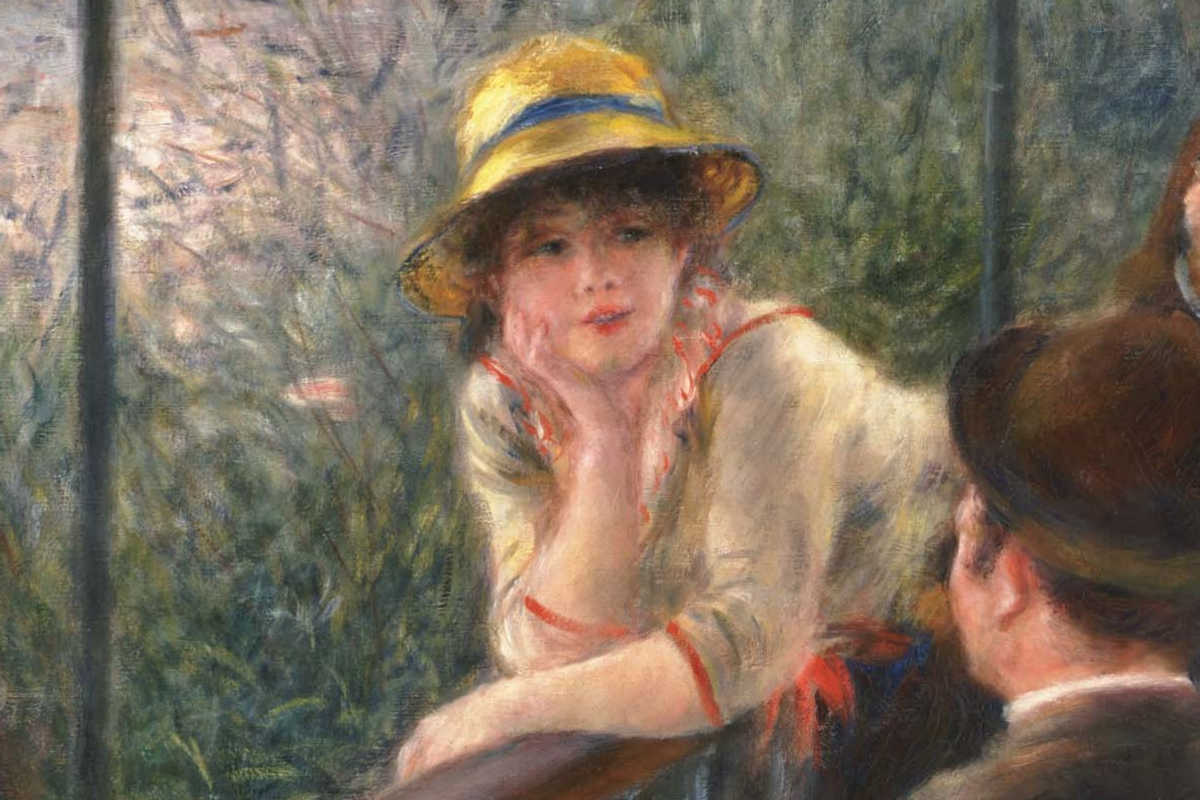
One of Leyster’s most famous works is “The Proposition,” a captivating piece that showcases her ability to capture emotion and intrigue in a single frame. The painting not only demonstrates her technical skill but also highlights her unique perspective as a female artist in a society where women were often marginalized.
Throughout her career, Judith Leyster created a diverse body of work that encompassed genres such as portraiture, genre painting, and still life. Her contributions to the art world have earned her recognition as one of the leading painters of the Dutch Golden Age.
Despite facing challenges and obstacles due to her gender, Judith Leyster’s talent and determination shone through in her art. Her legacy continues to inspire artists and art enthusiasts alike, reminding us of the enduring power of creativity and perseverance.
Exploring the Artistry of Judith Leyster: Key Questions and Insights into Her Life and Legacy
- Who was Judith Leyster?
- What is significant about Judith Leyster’s paintings?
- How did Judith Leyster contribute to the Dutch Golden Age art movement?
- What themes did Judith Leyster often depict in her paintings?
- Where can I see Judith Leyster’s paintings today?
- How did Judith Leyster’s gender influence her artistic career?
Who was Judith Leyster?
Judith Leyster was a pioneering artist from the Dutch Golden Age, born in Haarlem in 1609. She is renowned for her exceptional paintings that challenged the norms of her time and showcased her unique artistic vision. Leyster’s works often depicted scenes of everyday life, with a particular focus on portraying women as strong and independent figures. Despite facing gender barriers in the male-dominated art world, Judith Leyster’s talent and innovative style set her apart as a prominent figure in art history. Her legacy continues to inspire and captivate audiences worldwide, solidifying her reputation as a trailblazer in the world of art.
What is significant about Judith Leyster’s paintings?
Judith Leyster’s paintings are significant for several reasons. As a female artist in the male-dominated art world of the Dutch Golden Age, Leyster’s work challenges traditional gender roles and showcases the talent and creativity of women in art. Her innovative style, use of light and shadow, and portrayal of strong, independent women set her apart as a pioneer in her time. Leyster’s ability to capture emotion and everyday life with authenticity and skill adds depth and meaning to her paintings, making them not only visually captivating but also culturally significant. Her contributions to art history continue to be celebrated for their impact on the representation of women in art and for the enduring quality of her artistic vision.
How did Judith Leyster contribute to the Dutch Golden Age art movement?
Judith Leyster made significant contributions to the Dutch Golden Age art movement through her innovative style, technical skill, and unique perspective as a female artist. She was one of the few women painters of her time to achieve recognition and success in a predominantly male-dominated art world. Leyster’s paintings, characterized by their vibrant colors, dynamic compositions, and emphasis on everyday life scenes, brought a fresh and distinctive voice to Dutch art during the 17th century. Her ability to capture emotion and human expression in her works set her apart as a pioneer in portraying women as strong and independent figures. By challenging societal norms and pushing artistic boundaries, Judith Leyster left a lasting impact on the Dutch Golden Age art movement, inspiring future generations of artists to break barriers and explore new artistic horizons.
What themes did Judith Leyster often depict in her paintings?
Judith Leyster, a prominent artist of the Dutch Golden Age, frequently depicted themes of everyday life, women’s empowerment, and scenes of domesticity in her paintings. Her artworks often showcase strong and independent women engaged in various activities, challenging traditional gender roles of the time. Leyster’s keen eye for detail and her ability to capture human emotions and interactions bring a sense of realism and depth to her compositions. Through her art, she not only showcased her technical skill but also conveyed powerful messages about equality, resilience, and the beauty found in ordinary moments.
Where can I see Judith Leyster’s paintings today?
Judith Leyster’s paintings can be found in various renowned museums and art galleries around the world. Institutions such as the Rijksmuseum in Amsterdam, the Louvre in Paris, and the National Gallery of Art in Washington, D.C., often feature her works as part of their collections. Additionally, many private collectors and art dealers may also have pieces by Judith Leyster on display or available for viewing. For those interested in experiencing the beauty and talent of this remarkable artist firsthand, visiting these esteemed cultural institutions or exploring specialized exhibitions dedicated to Leyster’s art is a great way to appreciate her legacy and contribution to the art world.
How did Judith Leyster’s gender influence her artistic career?
Judith Leyster’s gender played a significant role in shaping her artistic career during the Dutch Golden Age. As a female artist in a male-dominated society, Leyster faced challenges and barriers that often hindered her recognition and opportunities for advancement. Despite these obstacles, Leyster’s gender also influenced her artistry, as she brought a unique perspective to her paintings, especially in her portrayal of women as strong and independent figures. Through her work, Leyster challenged societal norms and stereotypes, showcasing the resilience and creativity that defined her artistic legacy.