The Power of Visual Storytelling
In a world inundated with information and stimuli, visual storytelling stands out as a powerful tool for communication and connection. Through the art of combining images, colors, and design elements, storytellers can convey complex narratives and evoke emotions in a way that words alone often cannot.
Capturing Attention
Visual storytelling has the innate ability to capture attention and engage viewers on a deep level. Whether through paintings, photographs, videos, or graphic designs, visuals have a way of drawing people in and sparking curiosity. This initial engagement sets the stage for a more profound interaction with the story being told.
Eliciting Emotions
Images have the power to evoke emotions in ways that words alone struggle to achieve. A well-crafted visual story can elicit joy, sadness, empathy, or inspiration with just a single glance. By tapping into universal human experiences and emotions, visual storytellers can create connections that transcend language barriers.
Enhancing Understanding
Visual storytelling goes beyond mere entertainment; it is also a powerful tool for education and information dissemination. Complex concepts can be simplified and made more accessible through engaging visuals that break down barriers to understanding. From infographics to animations, visual storytelling makes learning more engaging and memorable.
Fostering Connection
At its core, visual storytelling is about building connections between storytellers and their audiences. By sharing personal experiences, cultural insights, or social commentary through visuals, creators can foster empathy and understanding among diverse groups of people. This connection transcends boundaries and creates a sense of shared humanity.
Empowering Change
Visual storytelling has the power to inspire action and drive change. By shining a light on important issues or advocating for social justice causes through compelling visuals, storytellers can mobilize communities and spark meaningful conversations. The impact of visual stories extends far beyond the screen or canvas.
In conclusion, visual storytelling is a dynamic and impactful medium that has the potential to transform how we communicate, connect with others, and shape our world. By harnessing the power of images and design elements, storytellers can create narratives that resonate deeply with audiences and leave a lasting impression.
Mastering Visual Storytelling: 6 Essential Tips to Captivate and Communicate Effectively
- Use compelling visuals to capture attention and engage your audience.
- Create a consistent visual style to strengthen brand identity.
- Incorporate storytelling elements like characters, plot, and emotions in your visuals.
- Use infographics and data visualizations to convey complex information effectively.
- Utilize colors, fonts, and imagery strategically to evoke desired emotions or responses.
- Ensure that your visuals support and enhance the message you want to convey.
Use compelling visuals to capture attention and engage your audience.
When harnessing the power of visual storytelling, it is essential to utilize compelling visuals that not only capture attention but also engage the audience on a profound level. By carefully selecting images, colors, and design elements that resonate with viewers, storytellers can create a strong emotional connection and spark curiosity. These visuals serve as a gateway to the narrative, drawing the audience in and setting the stage for a meaningful interaction that leaves a lasting impact. The ability to captivate through visuals is a potent tool in crafting stories that resonate and inspire action.
Create a consistent visual style to strengthen brand identity.
Creating a consistent visual style is a powerful strategy to reinforce brand identity through visual storytelling. By maintaining uniformity in design elements such as color palette, typography, imagery, and overall aesthetic across various platforms and content, a brand can establish a strong and recognizable presence. This cohesion not only enhances brand recall but also conveys professionalism and reliability to the audience. Consistency in visual style helps to build trust and loyalty among consumers, making it easier for them to connect with the brand on a deeper level and differentiate it from competitors in a crowded marketplace.
Incorporate storytelling elements like characters, plot, and emotions in your visuals.
To harness the full power of visual storytelling, it is essential to incorporate key storytelling elements such as characters, plot, and emotions into your visuals. By infusing your images with relatable characters, engaging plotlines, and emotive cues, you can create a narrative that resonates deeply with viewers. These elements not only capture attention but also evoke empathy and connection, transforming your visuals into immersive storytelling experiences that leave a lasting impact on your audience.
Use infographics and data visualizations to convey complex information effectively.
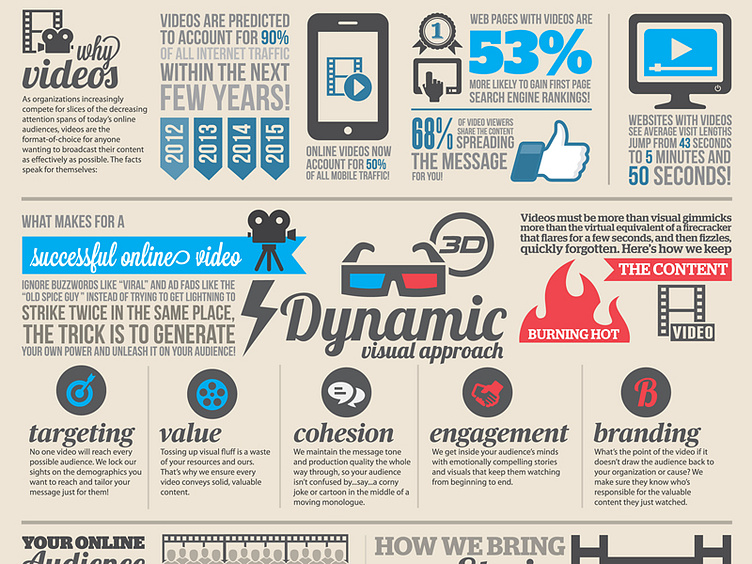
When harnessing the power of visual storytelling, utilizing infographics and data visualizations proves to be a highly effective strategy in conveying complex information with clarity and impact. By presenting data in a visually engaging format, such as charts, graphs, and diagrams, storytellers can distill intricate concepts into easily digestible visuals that resonate with audiences. This approach not only enhances understanding but also enhances retention, making it an invaluable tool for communicating intricate details in a compelling and accessible manner.
Utilize colors, fonts, and imagery strategically to evoke desired emotions or responses.
Strategically utilizing colors, fonts, and imagery in visual storytelling can significantly enhance the impact of the narrative by evoking desired emotions or responses from the audience. The choice of colors can evoke specific moods or associations, while fonts can convey tone and personality. By carefully selecting imagery that complements the story’s message, storytellers can create a cohesive and immersive experience that resonates with viewers on a deeper level. This deliberate use of visual elements enhances the storytelling process and ensures that the intended emotions or responses are effectively communicated and felt by the audience.
Ensure that your visuals support and enhance the message you want to convey.
To harness the full power of visual storytelling, it is crucial to ensure that your visuals align seamlessly with and amplify the message you aim to communicate. Each image, color choice, and design element should work in harmony to enhance the narrative and evoke the desired emotions in your audience. By carefully selecting visuals that complement and strengthen your message, you can create a cohesive and impactful storytelling experience that resonates deeply with viewers and leaves a lasting impression.