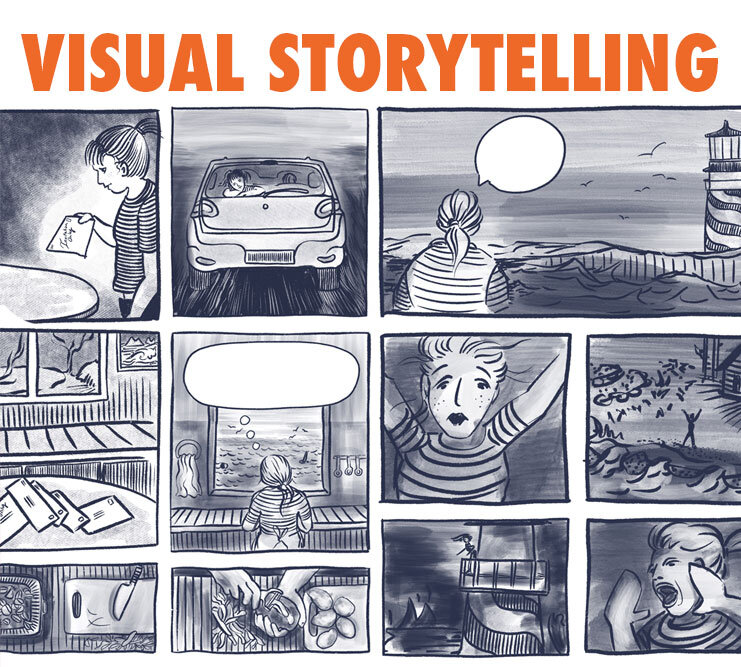
The Power of Visual Narrative in Art
Visual narrative is a powerful storytelling technique that uses images to convey a story, message, or emotion. Through the arrangement of visual elements such as colors, shapes, and composition, artists can create a compelling narrative that resonates with viewers on a deep and emotional level.
Unlike traditional written narratives, visual storytelling transcends language barriers and communicates directly to the viewer’s senses. It allows artists to express complex ideas and themes in a way that is accessible and engaging to a wide audience.
One of the key strengths of visual narrative is its ability to evoke emotions and provoke thought through imagery alone. By carefully selecting visual elements and arranging them in a meaningful way, artists can guide viewers through a visual journey that elicits feelings of joy, sadness, nostalgia, or contemplation.
Visual narrative is not limited to any specific art form – it can be found in paintings, sculptures, photography, graphic design, and even multimedia installations. Each artist brings their unique perspective and style to create visual narratives that are as diverse as they are captivating.
Whether exploring personal experiences, social issues, or abstract concepts, visual narrative offers endless possibilities for artistic expression. It invites viewers to interpret and engage with the artwork in their own way, fostering a deeper connection between the artist and the audience.
In conclusion, visual narrative is a dynamic tool that enriches the world of art by adding depth, meaning, and emotion to creative works. Its ability to transcend language and cultural boundaries makes it a universal form of storytelling that speaks directly to the heart and soul.
Eight Advantages of Visual Narrative: Engaging, Universal, and Emotionally Resonant Storytelling
- Engages viewers on an emotional level
- Transcends language barriers
- Conveys complex ideas and themes effectively
- Elicits a wide range of emotions and reactions
- Allows for diverse artistic interpretations
- Enhances storytelling through visual elements
- Creates a deeper connection between artist and audience
- Offers a universal form of communication
Challenges of Visual Narratives: Interpretation, Complexity, Limited Detail, and Subjectivity
Engages viewers on an emotional level
Visual narrative excels in engaging viewers on an emotional level by leveraging the power of visual elements to evoke deep feelings and connections. Through carefully crafted imagery, artists can create a profound impact that resonates with the audience’s emotions, sparking empathy, nostalgia, or introspection. This emotional engagement transcends language barriers and cultural differences, allowing viewers to connect with the artwork on a personal and visceral level. By tapping into universal human experiences and emotions, visual narrative has the ability to leave a lasting impression and forge a meaningful bond between the artwork and its audience.
Transcends language barriers
Visual narrative’s ability to transcend language barriers is a remarkable strength that allows artists to communicate with audiences worldwide on a profound and emotional level. By using visual elements such as colors, shapes, and composition, artists can convey complex ideas and evoke deep emotions without relying on words. This universal language of imagery enables art to reach people from diverse backgrounds and cultures, creating connections and fostering understanding beyond linguistic differences. The power of visual narrative lies in its capacity to speak directly to the human experience, resonating with viewers regardless of the language they speak.
Conveys complex ideas and themes effectively
Visual narrative excels in conveying complex ideas and themes effectively through the strategic use of visual elements. By skillfully arranging colors, shapes, and composition, artists can communicate intricate concepts in a visually engaging manner that resonates with viewers. This unique storytelling approach allows for the exploration of deep and nuanced subjects, making it easier for audiences to grasp and connect with the underlying message. Through the power of visual storytelling, artists can simplify complex narratives without compromising depth, inviting viewers to delve into thought-provoking themes with clarity and impact.
Elicits a wide range of emotions and reactions
Visual narrative, with its ability to elicit a wide range of emotions and reactions, serves as a powerful tool in the realm of art and storytelling. Through carefully crafted visual elements and composition, artists can evoke feelings of joy, sorrow, excitement, contemplation, and everything in between within their audience. This versatility allows for a deeply personal and immersive experience for viewers, as they connect with the artwork on an emotional level that transcends language or cultural barriers. The diverse emotional responses generated by visual narratives contribute to a rich tapestry of human experiences and interpretations, making each encounter with art a unique and meaningful journey.
Allows for diverse artistic interpretations
Visual narrative’s ability to allow for diverse artistic interpretations is a profound advantage that enriches the art world. Artists can use visual storytelling to convey their messages in a way that encourages viewers to interpret and engage with the artwork based on their unique perspectives and experiences. This open-ended nature of visual narrative fosters creativity and encourages a wide range of interpretations, making each viewer’s interaction with the artwork a personal and meaningful experience. By embracing diverse artistic interpretations, visual narrative creates a dynamic dialogue between the artist, the artwork, and the audience, resulting in a rich tapestry of meanings and emotions that resonate on multiple levels.
Enhances storytelling through visual elements
Visual narrative enhances storytelling through visual elements by providing a rich and immersive experience for the audience. By utilizing colors, shapes, composition, and other visual cues, artists can effectively convey emotions, themes, and messages in a way that words alone cannot capture. The strategic arrangement of visual elements guides viewers through a narrative journey, allowing them to connect with the story on a deeper level and interpret its meaning through their own unique perspectives. This integration of visuals elevates storytelling to a more engaging and impactful level, creating a lasting impression that resonates long after the initial encounter with the artwork.
Creates a deeper connection between artist and audience
Visual narrative, through its ability to create a deeper connection between artist and audience, serves as a bridge that transcends mere visual aesthetics. By weaving intricate stories and emotions into their artwork, artists can establish a profound bond with viewers, inviting them to delve into the layers of meaning and symbolism embedded in the visuals. This connection fosters a sense of intimacy and understanding between the creator and the observer, allowing for a shared experience that resonates on a personal level. The immersive nature of visual narrative enables audiences to not only appreciate the art but also empathize with the artist’s vision, forging a lasting connection that lingers long after the artwork is viewed.
Offers a universal form of communication
Visual narrative offers a universal form of communication that transcends linguistic and cultural barriers, allowing artists to connect with viewers on a profound and emotional level. Through the power of visual elements like colors, shapes, and composition, artists can convey complex ideas and emotions in a way that is universally understood. This ability to communicate through imagery alone makes visual narrative an inclusive and accessible art form that speaks to people from diverse backgrounds and experiences, fostering a shared understanding and appreciation for the beauty and depth of artistic expression.
Interpretation Challenges
Visual narratives, despite their power to evoke emotions and engage viewers, can present challenges in terms of interpretation. The openness of visual storytelling often leaves room for subjective interpretations, which may result in misunderstandings or misinterpretations among viewers. Different individuals bring their unique perspectives, experiences, and cultural backgrounds to the viewing process, leading to diverse readings of the same visual narrative. This variability in interpretation can sometimes lead to discrepancies between the intended message of the artist and the perceived message by the audience, highlighting the complexity and ambiguity inherent in visual storytelling.
Complexity
Creating a cohesive visual narrative can be a daunting task for artists due to the inherent complexity involved. The process of translating intricate and nuanced ideas into a visually compelling story demands meticulous planning and precise execution. Artists face the challenge of balancing creativity with clarity, ensuring that their message is effectively communicated through the arrangement of visual elements. Navigating this complexity requires a deep understanding of storytelling techniques and visual language, as well as the ability to engage viewers while maintaining coherence in the narrative structure. Despite its challenges, overcoming the hurdle of complexity in visual narrative creation can lead to profound and impactful artistic expressions that resonate with audiences on multiple levels.
Limited Detail
Visual narratives, while impactful in their ability to evoke emotions and engage viewers visually, may suffer from a con of limited detail. Unlike written narratives that can delve into intricate descriptions and nuances, visual storytelling may lack the depth and level of detail that written narratives can offer. This limitation can restrict the amount of information that can be effectively conveyed through images alone, potentially leaving some aspects of the story or message open to interpretation or ambiguity. Despite this drawback, skilled artists can still harness the power of visual narrative to communicate complex ideas creatively and effectively within the constraints of visual representation.
Subjectivity
The con of subjectivity in visual narrative lies in its reliance on the viewer’s individual perceptions, emotions, and cultural context. While this aspect can enrich the viewing experience by allowing for diverse interpretations, it also introduces the risk of misinterpretation or disconnection between the artist’s intended message and the viewer’s understanding. The subjective nature of visual narrative means that different viewers may derive varying meanings from the same artwork, leading to a lack of universal comprehension and potentially diluting the artist’s original intent.